 Some Kiambu residents during a protest against an affordable housing project in Kiambu town/ ALICE WAITHERA
Some Kiambu town residents have protested against the ongoing Affordable Housing Project in the Indian Bazaar area.
They raised fears that a church, nursery school and police housing facilities could be displaced.
The residents, church leaders and community representatives are now demanding transparency over the project’s boundaries, arguing that key community facilities that have served generations of families could be affected if construction continues without clarification from the relevant authorities.
At the centre of the dispute is a parcel of land within the AP camp where a church and nursery school have operated for decades.
Residents claim sections of the land have been incorporated into the housing project, sparking concern over the future of the institutions.
Leading the protests is Rev Damiano Mungai, whose church is located within the AP camp. The cleric said the congregation was recently informed that the church could be required to relocate to pave way for the housing development.
“We were verbally told that the church should relocate, but no official communication has been issued. This is a place of worship that has served the community for decades and cannot simply be moved overnight,” Rev Mungai said.
He noted that the church has existed on the site for more than 35 years and serves both police officers and residents from surrounding neighbourhoods.
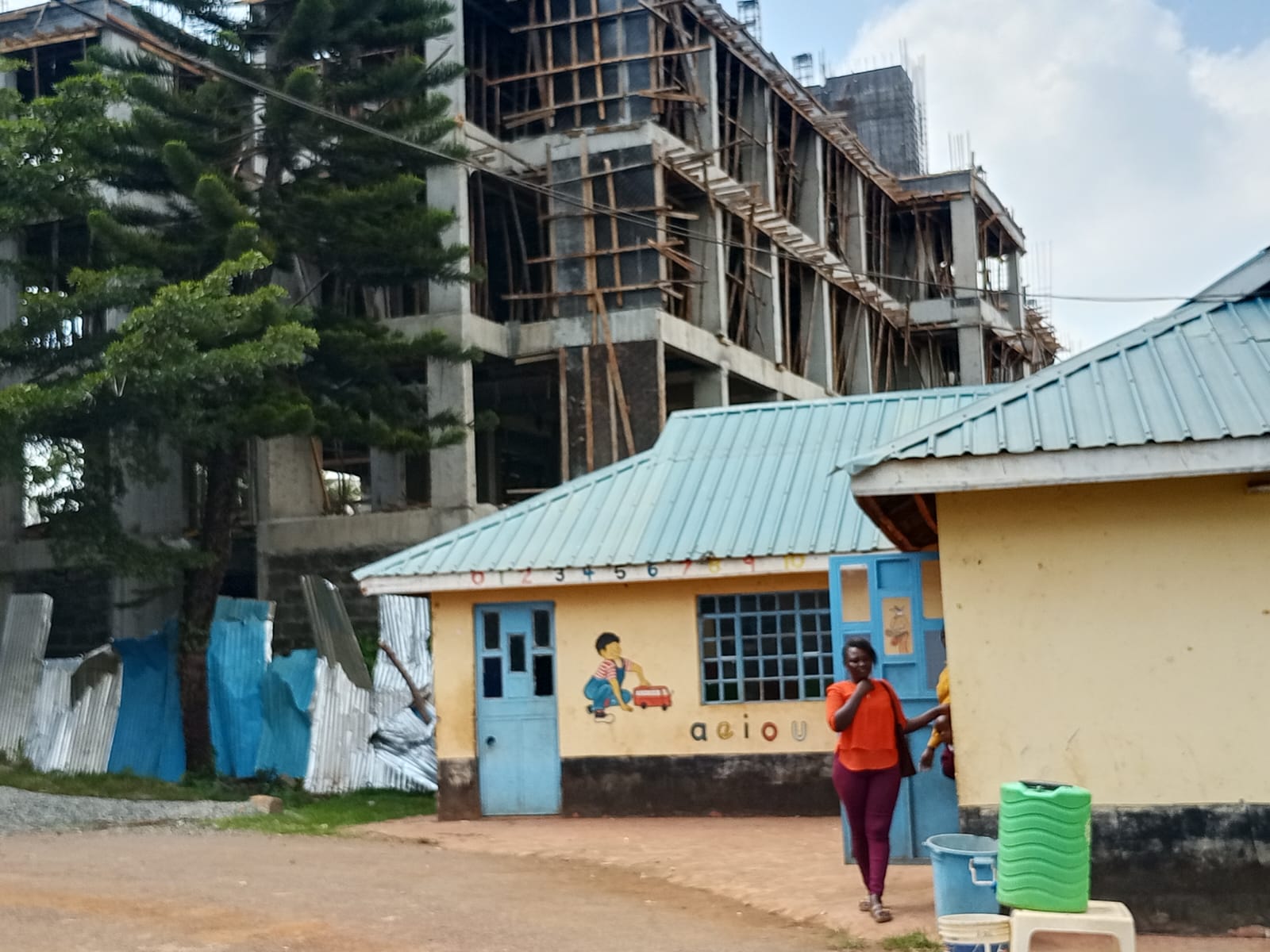 A nursery school inside an AP camp in Kiambu town and which could be affected by an Affordable Housing Project that is being constructed next to it/ ALICE WAITHERA
The compound also hosts a nursery school attended by children of security officers and families living around the camp.
According to the pastor, ongoing construction activities near the church compound have already affected sections of the nursery school, causing anxiety among parents, teachers and worshippers who now fear the facilities could eventually be demolished.
The dispute comes as the government accelerates implementation of the Affordable Housing Programme, one of President William Ruto’s flagship projects under the Bottom-Up Economic Transformation Agenda.
The national programme seeks to address Kenya’s housing deficit by providing decent and affordable homes to low and middle-income earners while creating jobs in the construction sector and stimulating economic growth.
The initiative is also expected to improve access to dignified housing and modern urban infrastructure in towns and cities across the country.
In Kiambu county, the programme is among the largest housing investments being undertaken by the national government. During a development tour of the county in March this year, President Ruto announced plans to invest Sh55 billion in the construction of 18,000 affordable housing units, 32 modern markets and 15,000-bed hostels for university and college students.
However, residents in Kiambu town now want authorities to publicly disclose the exact boundaries of the project amid claims that land reserved for public institutions may have been included in the development.
Former Kiambu Township MCA James Njenga said residents fully support government development programmes but insisted that all legal procedures must be followed and the public kept informed.
“The community supports development, but all procedures must be followed. People deserve access to approved plans, survey maps and documentation showing exactly what land has been allocated to the project,” Njenga said.
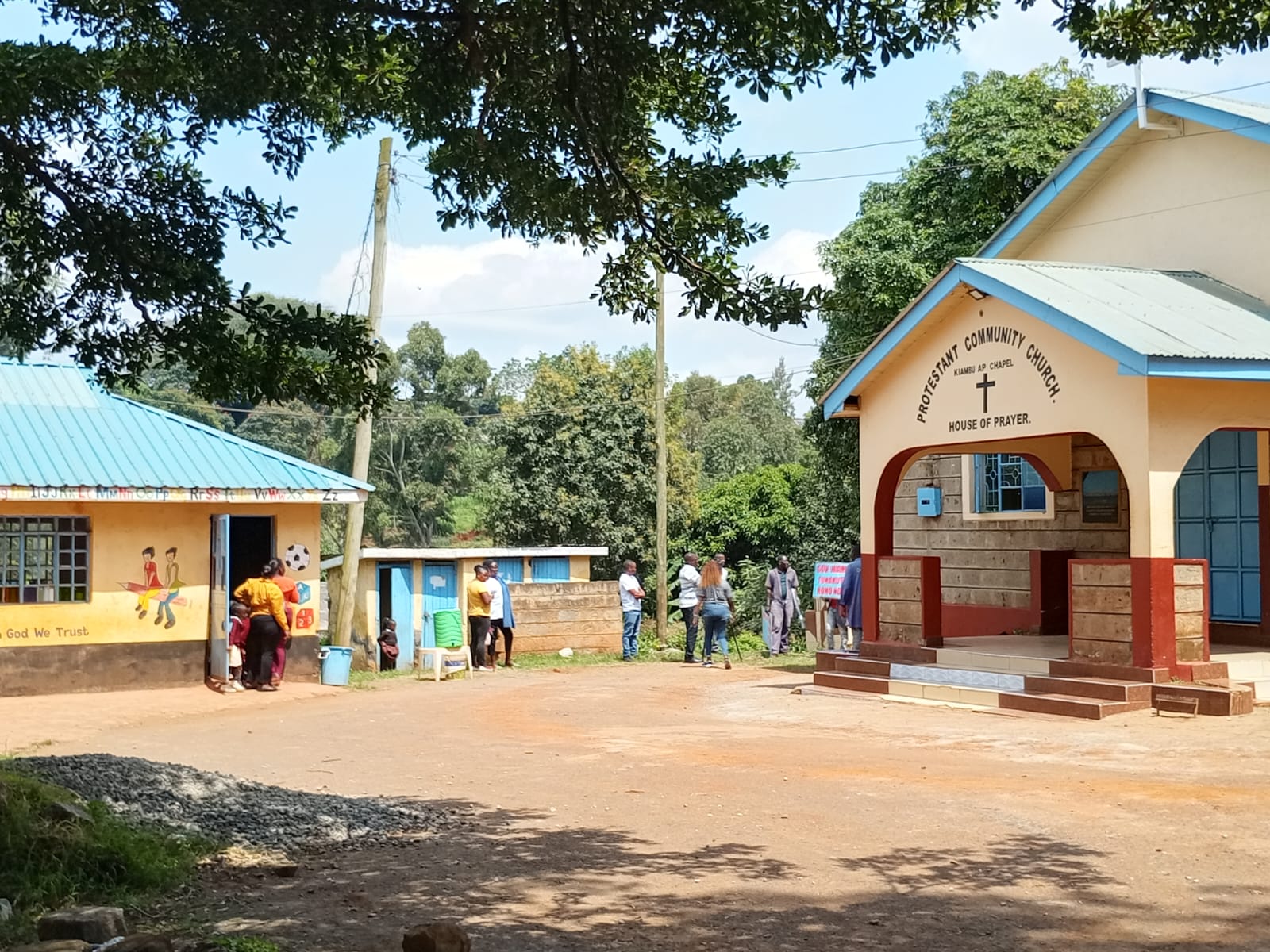 The Protestant Community Church and nursery school that are inside an AP camp in Kiambu town/ ALICE WAITHERA
He questioned whether the land currently under development corresponds with the area initially presented to residents during public participation forums.