Also targeted are pharmaceuticals, furniture, paper and paperboard products, with future plans to widen the net to goods with higher import levies, to discourage their importation.
This, the government says will protect and support the growth of local manufacturers by discouraging the importation of commodities that can be locally produced.
The new tax will be known as Export and Investment Promotion Levy, with funds from the tax to be used to support local industries.
Cabinet has made a preliminary approval awaiting public participation before the new tax takes effect.
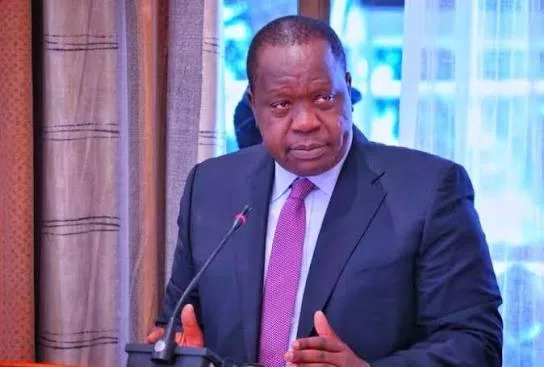
According to Trade, Investment and Industry Cabinet Secretary Moses Kuria, products from the East African Community will be exempted from the levy.
“We are going to see some items slapped with serious levies so that we are able to protect our industries. We are going to start with steel,” Kuria said at a recent media briefing in Nairobi.
Imported steel will be taxed $250 (Sh31,385) per tonne if the levy is effected.
The Kenya Association of Manufacturers (KAM) has warned that the move will give players from the region a competitive edge over Kenyan firms since they could still import and transship the same to the Kenyan market.
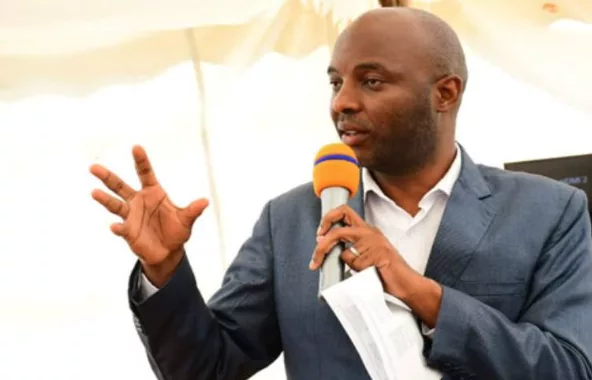
“The neighbouring countries are just watching and waiting for any such move. If the government imposes levies, they will take advantage of that and bring in their goods,” KAM chief executive Anthony Mwangi told the Star.
“In the end, Kenyan manufacturers and importers will end up losing,” Mwangi said terming the move a zero-sum gain.
Industry PS Juma Mukhwana, however looks at it from both sides of the coin.
“If Kenya puts a 10 per cent tax on these products, it will lock out importers but Uganda, Tanzania will still import and sale here,” Mukhwana said during a forum at Mabati Rolling Mill plant in Nairobi.
However, he says the levy is still instrumental in promoting local industries, especially struggling medium-sized enterprises.
“The funds will be used as a seed to support small producers in the country who are struggling with funding,” the PS said.
He said the government is also looking at easing the cost of doing business, such as power and other inputs, to make Kenya competitive.
This at time when Kenya Power has applied for an upward review of its industrial and domestic tariffs.
The European Union has however cautioned Kenya against rushing to implement punitive policies that will hurt imports as a way of protecting local industries.
Instead, it says the government should build local capacity to meet market demand, and enhance value addition on its raw material to gain from the export market, while applying a free trade module.
While the Economic Partnership Agreement (EPA) between the EU and Kenya recognises the need to protect infant industries and sectors, it notes that the country still heavily relies on imports.
These include raw material used in the local manufacturing sector, which could hurt players if trading partners retaliated.