An international infrastructure and healthcare company, GKSD, is entering Africa by building two waste-to-energy plants in Benghazi, in a move that could help Libya address mounting waste management challenges while expanding electricity generation.
In a statement, the Italian firm said the proposed facilities would process municipal solid waste and convert it into energy, with the aim of reducing environmental damage and supporting a shift towards cleaner energy sources.
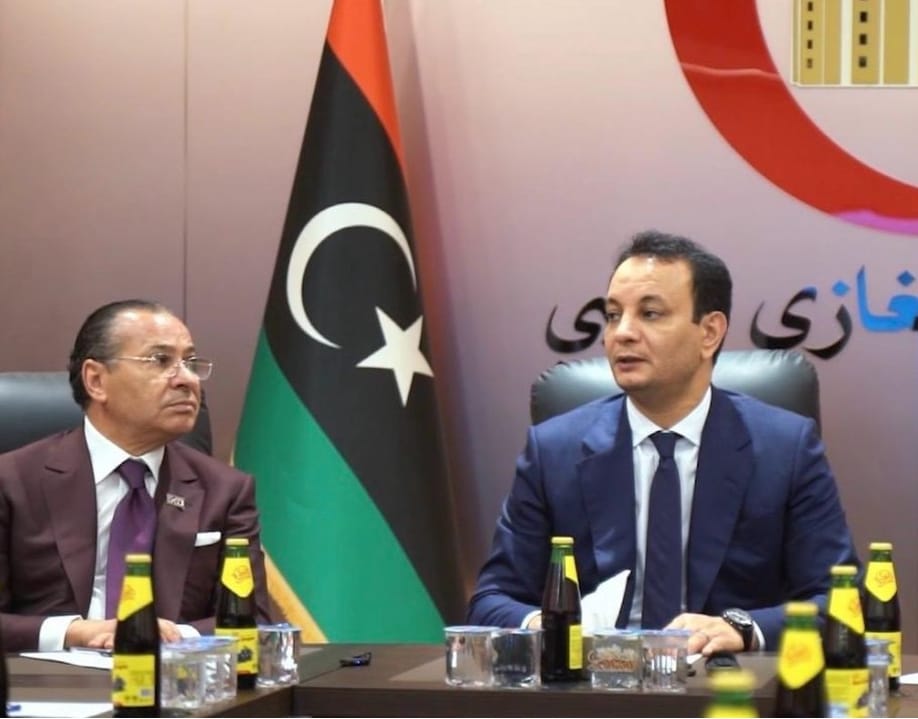
The proposal was presented during a meeting in Benghazi between the director general of Libya’s Development and Reconstruction Fund, Belqasem Khalifa Haftar, and GKSD’s chairman, Kamel Ghribi. Officials described the talks as a step towards formal contracts spanning healthcare, environmental services and clean energy.
Senior representatives from the Development and Reconstruction Fund attended the meeting, alongside executives from major health institutions in eastern Libya, including the Benghazi Medical Centre, the Paediatric and Paediatric Surgery Hospital and the National Cancer Treatment Centre.
Beyond the energy projects, GKSD outlined plans to expand its involvement in Libya’s healthcare sector. The company presented technical and operational proposals covering the maintenance, modernisation and management of the Benghazi Medical Centre, as well as the National Oncology Centre, newly planned paediatric and obstetrics and gynaecology hospitals, and Al Marj Teaching Hospital.
The aim is to improve the quality of healthcare services and increase operational efficiency across public medical facilities.
The Development and Reconstruction Fund described the meeting as a “crucial milestone”, signalling a shift from planning discussions towards implementation and the signing of contracts.
Officials said the goal was to strengthen strategic partnerships that could support healthcare development, sustainable growth and environmental and clean energy initiatives.
Speaking at the end of the meetings, GKSD chairman Kamel Ghribi said: “We want to contribute decisively to the success of this extraordinary country. We can offer experience and expertise capable of supporting a modern and efficient development vision.”
He added, “We will do so with conviction and enthusiasm because we believe in this nation and its people. Healthcare, energy, and infrastructure are key to a country’s transformation, and these are precisely the pillars of our action.”
Libya continues to face significant infrastructure and service delivery challenges after years of political instability and conflict.
Officials say international partnerships could play a role in rebuilding key sectors, although large projects often depend on security conditions, governance capacity and sustained funding.
![[PHOTOS] The new Ngong –Naivasha Road viaduct](https://cdn.radioafrica.digital/image/2026/06/64d4f771-4432-4aee-ba3c-2f304c4436ec.jpg)










![[PHOTOS] 'Mr Speaker Sir' Gen Z protester in court](https://cdn.radioafrica.digital/image/2026/06/b3e62d8e-25c3-4780-90f9-4eb48b1ce8a7.jpg)