Kenyans are spending more of their own money on condoms and contraceptives following the U.S funding cuts in the health sector.
New industry data shows rising sales of commercially distributed condoms and other reproductive health products.
Fresh figures from Population Services Kenya (PS Kenya) show condom demand remained strong in 2025.
The increase helped boost revenue from the organisation's health products business even as donor support for reproductive health programmes declined.
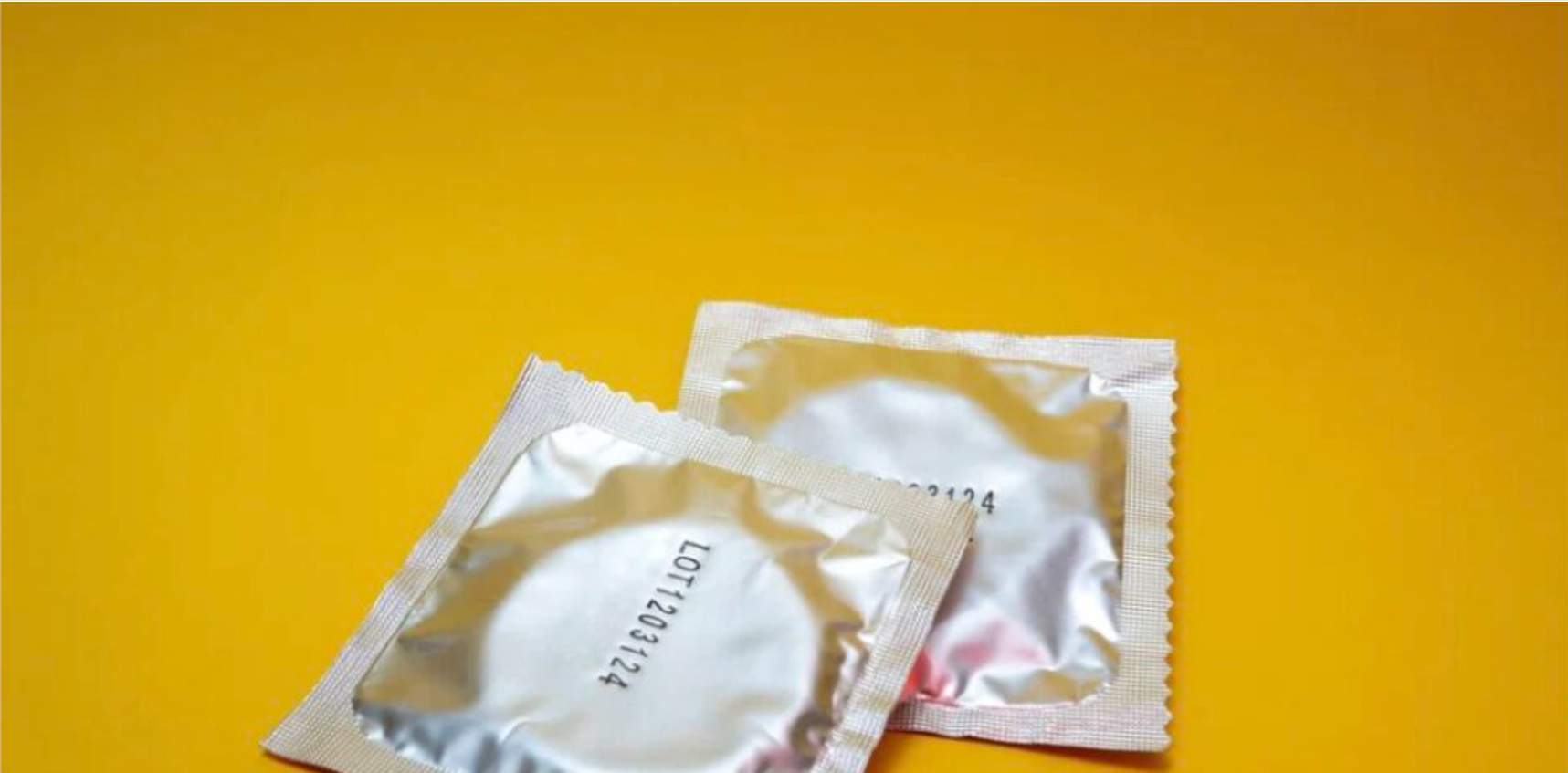
Sales of Trust condoms rose three per cent to 27.3 million units in 2025 from 26.5 million units the previous year, signalling resilient demand despite economic pressures and rising household costs.
The increase in condom sales helped push revenue from PS Kenya's health products portfolio to Sh747 million, accounting for 54 percent of the organisation's total revenue of Sh1.37 billion.
"PS Kenya closed 2025 in a strong financial position, recording total revenue of $10.6 million (Sh1.37 billion). More than half of this revenue, about 54 percent, came from programme income, reflecting the growing strength of our social enterprise model and a more diversified funding base,” the firm said in a statement.
In the review period, the country was hit by condom shortages as national stocks remained in a critical state.
Kenya Medical Supplies Authority (KEMSA) reported that most commodities are below the recommended minimum stock level of 16 months.
The trend follows further sweeping cuts in US foreign assistance, which extended this year, the administration of Donald Trump terminated a significant portion of international development funding.
The cuts included support for family planning and reproductive health programmes that have supplied millions of free or subsidised contraceptives in developing countries, including Kenya.
Against this backdrop, PS Kenya's latest annual report indicates that more Kenyans are turning to retail purchases.
The figures suggest consumers are increasingly paying for reproductive health products that were previously available through donor-supported channels.
However, the shift has not been uniform across all contraceptive products.
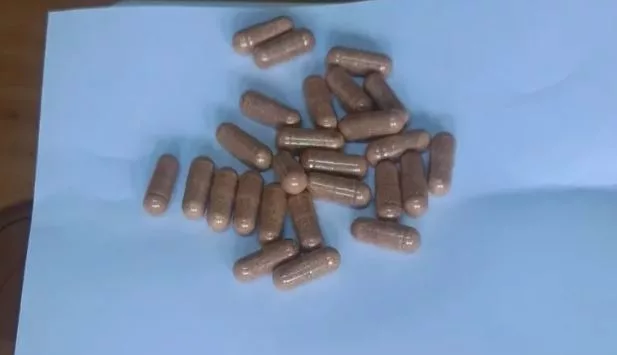
Sales of Femiplan oral contraceptive pills declined by 10 percent to 3.9 million units during the year, reflecting changing consumer preferences and growing uptake of alternative family planning methods such as injectable contraceptives and long-term solutions.
The US has long been among the largest financiers of family planning commodities through the United States Agency for International Development.
Kenya has relied heavily on donor-funded contraceptive supplies for years. USAID provided billions of shillings worth of family planning commodities and technical support.
The funding cuts have heightened fears of supply shortages and higher costs for consumers.
AIDS Healthcare Foundation (AHF) Kenya, on its website, says Kenyans needed at least 400 million condoms annually by 2023, yet the government was distributing only 150 million.