Kenya’s private sector recorded its sharpest deterioration in business conditions in 10 months during May, as rising inflation, higher operating costs and weakening consumer demand combined to slow activity across key sectors of the economy.
The latest Purchasing Managers’ Index (PMI) data shows that business conditions worsened significantly, with the headline index falling to 46.6 in May from 49.4 in April.
A reading below 50 signals a deterioration in business activity, while a figure above that level indicates improvement. The latest reading marks the fastest decline in the private sector's health since July 2024.
The downturn was largely driven by a notable contraction in business activity and new orders as firms grappled with mounting cost pressures. At the same time, customers scaled back spending amid tighter household and corporate budgets.
The weak performance comes as inflation accelerated to 6.7 per cent year-on-year in May from 5.6 per cent in April, raising concerns about the cost of living and the broader impact on economic activity.
Businesses reported that inflationary pressures reduced customers’ purchasing power, resulting in greater caution in spending decisions and delays in placing new orders.
According to the survey, new sales declined at the fastest pace since mid-2025 as clients became increasingly hesitant to spend.
Many firms cited constrained budgets among consumers and businesses, which weighed heavily on demand conditions during the month.
The slowdown was particularly evident in the construction and services sectors, where both output and new orders declined.
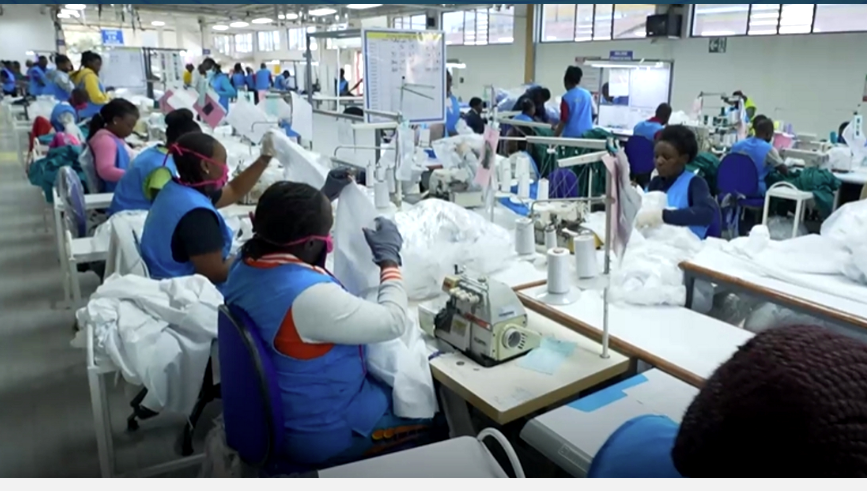
Manufacturers, however, provided a rare bright spot, emerging as the only sector to record growth in production during the period.
With new business volumes falling, companies faced reduced pressure on capacity and responded by trimming their workforce for the first time in 16 months.
The decline in employment was mainly concentrated among temporary workers whose contracts were either shortened or not renewed.
The reduction in new orders also contributed to a continued decline in outstanding work.
Backlogs fell for a third consecutive month, indicating that firms had sufficient capacity to handle existing workloads despite weaker demand. At the same time, businesses became more cautious in their purchasing activities. Input buying contracted for the first time in eight months as firms sought to manage costs and preserve cash.
Efforts to build inventories also eased, with stock levels remaining broadly unchanged despite suppliers continuing to improve delivery performance.
Cost pressures intensified sharply during the month. Survey respondents reported the steepest increase in purchase costs since November 2023, pushing overall input price inflation to its highest level in one and a half years.
Rising fuel prices and transport expenses were among the key drivers behind the increase in operating costs.
While wage bills continued to rise, the pace of salary-related cost increases remained relatively modest compared to other expense categories.
Faced with escalating operating costs, businesses passed some of the burden to consumers. Selling prices rose at the fastest rate in two-and-a-half years, with all five sectors covered by the survey reporting increases in output charges.
The pace of price increases was also significantly above the long-term survey average.
Christopher Legilisho, Economist at Standard Bank, said the latest PMI data reflects worsening business conditions amid growing inflationary pressures.
“The Stanbic Bank PMI data for May reflects a deterioration of business activity by private sector firms. Inflationary pressures have intensified, constraining demand conditions, with input prices, purchase costs and output prices driven up by higher fuel and transportation costs,” he said.
Despite the challenging environment, businesses remain optimistic about the future.
Firms expressed stronger confidence regarding output growth over the next 12 months, with optimism reaching its highest level since February 2023.
The positive outlook is being supported by planned investments in product diversification, increased advertising efforts and a growing focus on expanding online presence.
Businesses are also hopeful that improving market conditions and strategic investments will help revive demand and support growth in the coming year.