Industry
projections by the Electric Mobility Association of Kenya (EMAK) indicate that
EV charging could generate Sh5.79 billion in electricity sales by 2030,
supported by annual grid demand of 121 gigawatt-hours.
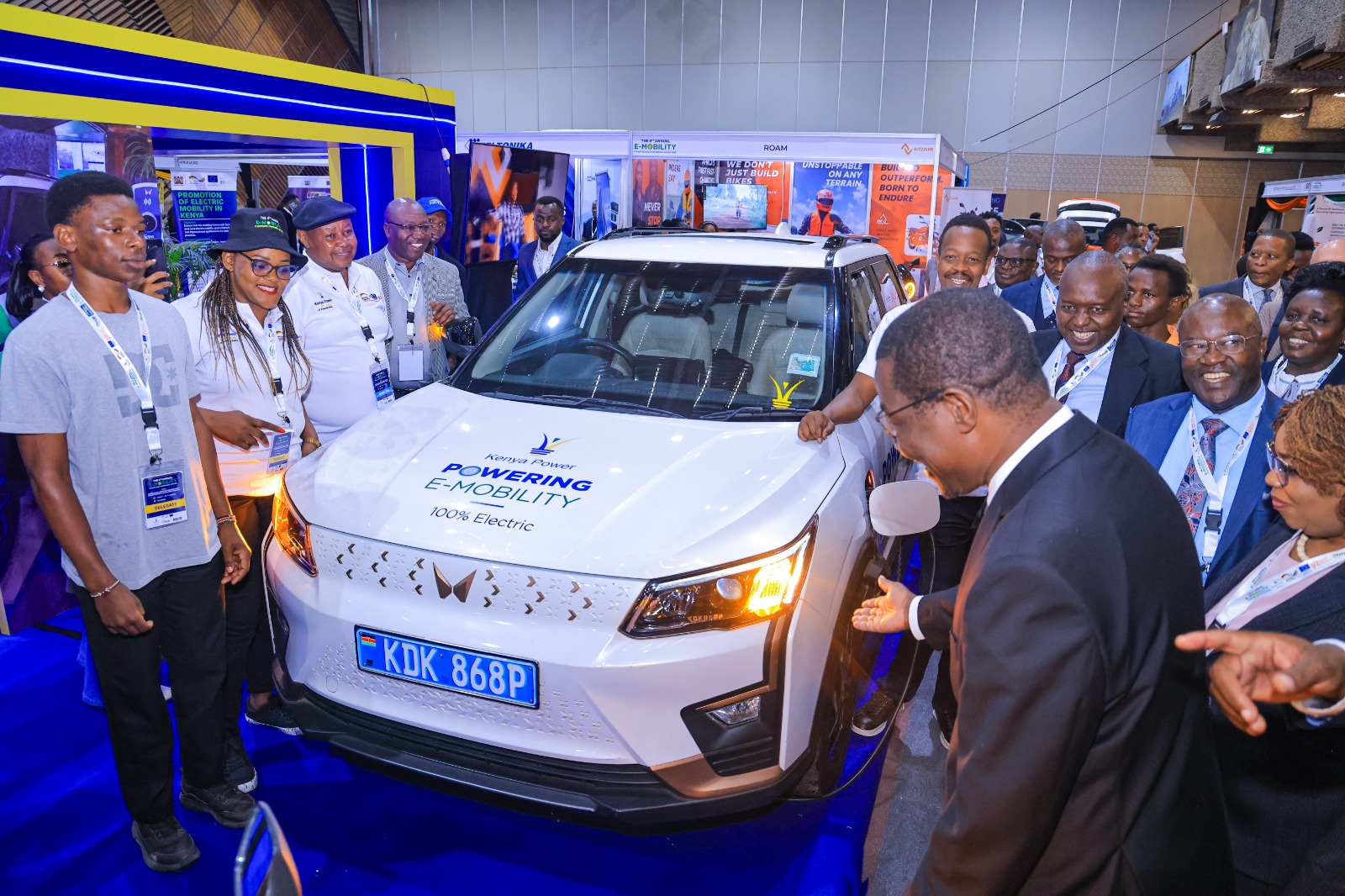
Owners of electric cars in Kenya are set to be migrated to a special electricity tariff as Kenya Power begins an exercise to identify and meter all customers using electricity to charge electric vehicles (EVs) under its dedicated e-mobility tariff.
The move is aimed at supporting the growing electric mobility sector while giving the utility better visibility into the industry's energy requirements, enabling more informed planning for future electricity demand.
The initiative comes as electricity sales to the e-mobility sector continue to rise sharply, generating cumulative revenues of Sh382 million between July 2023 and April 2026.
The utility projects that annual revenues from EV charging could reach nearly Sh5.9 billion by 2030 as electric vehicle adoption accelerates across the country.
The special tariff, approved by the Energy and Petroleum Regulatory Authority (EPRA) in 2023, offers EV users discounted electricity rates of Sh16 per unit during peak hours and Sh8 per unit during off-peak hours.
Beyond lowering charging costs, the tariff enables Kenya Power to gather critical consumption data needed for planning future electricity infrastructure and meeting growing demand from the transport sector.
Kenya Power Managing Director and Chief Executive Officer Joseph Siror said the company remains committed to driving the adoption of electric mobility through affordable power and targeted support for industry players.
"Three years ago, Kenya Power successfully lobbied for a special electricity tariff to serve the e-mobility industry. Our commitment is to create awareness, support the market and drive the adoption of e-mobility in the country,” said Siror.
He added that the transition must serve not only private car owners, but also public transport, two and three-wheelers, logistics operators, county transport systems, small businesses and ordinary Kenyans who need cleaner, cheaper and more reliable mobility options.
Currently, 331 customers are metered under the e-mobility tariff, a figure Kenya Power expects to rise to 1,000 by the end of the current financial year as more charging stations, fleet operators and EV owners are brought onto the programme.
The growth in electricity consumption by EV users has been significant since the tariff's introduction. Monthly electricity sales have expanded from just 13,500 kilowatt-hours in July 2023 to 1.5 million kilowatt-hours, while monthly revenues climbed from Sh873,907 to a record Sh35.25 million in February 2026.
According to Kenya Power, November 2025 marked a turning point for the industry when electricity consumption for EV charging surpassed one million units in a single month for the first time.
"November 2025 was a defining moment when we crossed the one million units threshold in a single month. Since then, monthly volumes have consistently remained above that level, showing that the market has moved into a new phase of high-volume adoption," said Siror.
Nairobi remains the largest contributor to EV-related electricity revenues, accounting for Sh271.9 million of total collections. The Coast region generated Sh55 million, followed by North Eastern at Sh35 million and West Kenya at Sh11.5 million.
The strong growth reflects the rapid expansion of Kenya's electric mobility market. By the end of 2025, more than 35,000 EVs had been registered in the country, up from just 796 vehicles three years earlier. Most of the growth has been driven by electric motorcycles and other two-wheelers.
Industry projections by the Electric Mobility Association of Kenya (EMAK) indicate that EV charging could generate Sh5.79 billion in electricity sales by 2030, supported by annual grid demand of 121 gigawatt-hours.
The sector's expansion has been aided by government incentives, including duty exemptions on the first 100,000 imported EVs, zero-rated VAT on electric vehicles and lithium-ion batteries, and reduced excise duty on electric bicycles, electric motorcycles and related battery technologies.