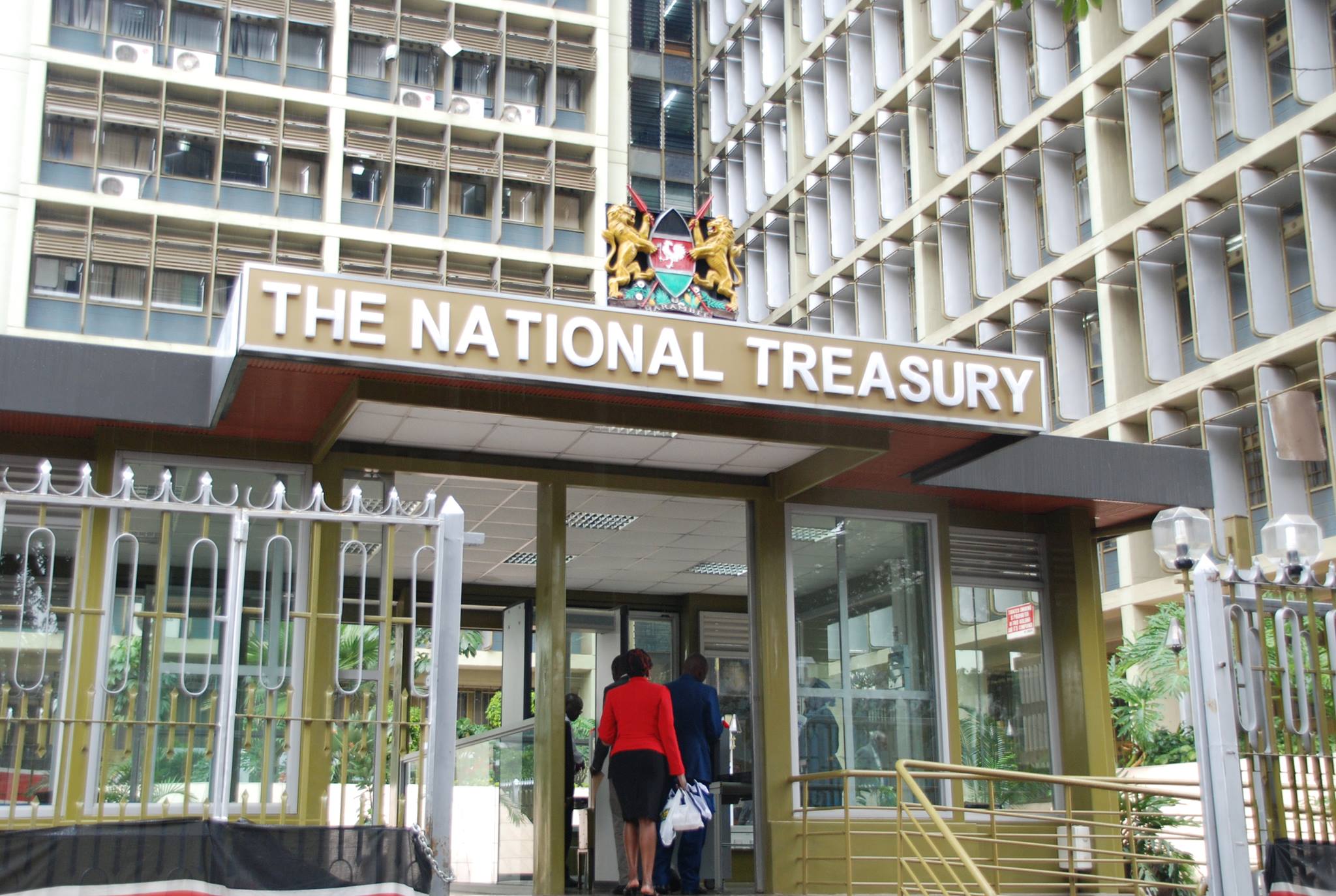
The Kenyan economy could generate up to Sh42 billion in immediate GDP output if the government effects a uniform five per cent reduction in Pay As You Earn (PAYE) across all income bands, bankers now say.
This will release more than Sh28.1 billion into the economy annually with the economic gains being able to support more than 36,000 jobs annually.
In what is seen as proposal amid the Finance Bill 2026 debate and public participation, Kenya Bankers Association (KBA) such a move will unlock at least Sh140 billion in formal lending capacity.
This will generate between Sh27.1 and Sh31.5 billion in additional revenues, helping the government recover revenue loss caused by PAYE reduction in the first year of implementation.
“…..a five per cent PAYE cut expands the economy, creates jobs and increases tax revenue,” KBA notes.
It says such a move will reduce payslip pressure and create higher disposable income, hence improve borrowing capacity and reduce loan stress and defaults.It will creates at least Sh14 billion in income gains for households.
Kenyan employees will hence have a higher take-home which will increase household spending, higher demand for goods and services hence growth of SMEs and manufacturing sector.
The country will also experience improved savings and investments, amid stronger credit uptake and lending activities, which will help drive economic growth.
Kenyan workers face rising statutory deductions with key being PAYE of up to 35 per cent, Affordable Housing Levy 1.5 per cent, SHIF which is 2.75 per cent of gross income, and a recent increase in NSSF contributions.
This has seen incomes decline by between 10.7 per cent and 12 per cent over the last five years.
Pay-slipped individuals are paying more taxes than corporations which are paying a 30 per cent corporate tax, compared to individuals who are paying up to 35 per cent in PAYE.
“Individuals should not be taxed higher than corporations. A five per cent PAYE cut aligns personal tax with policy intent,” the banking sector lobby said.
The government is mulling a tax relief on low income earners while pushing for an expansion of the tax base including going for the informal sector.
Treasury CS John Mbadi this week said the government is keen to have individuals earning Sh30,000 and below enjoy tax free salaries.
Those earning Sh50,000 and below are also under consideration for tax cuts under ongoing fiscal reforms tied to the 2026-27 budget.
“We are working towards making sure that those who are earning 30,000 and below don’t pay taxes and those who are earning 50,000 and below have lower tax rates than what we are seeing today,” Mbadi said.
The CS described the move as part of a broader government policy aimed at easing pressure on struggling households, while expanding the tax base to capture more non-compliant taxpayers instead of overburdening salaried workers.
Mbadi said the government’s approach is to widen the personal income tax bracket while reducing pressure on low-income earners.
“Those who are earning low income need to get relief and we go for those who should be paying taxes and they are not paying taxes,” he stated, indicating an intention to tax the wealthy more.
![[PHOTOS] The new Ngong –Naivasha Road viaduct](https://cdn.radioafrica.digital/image/2026/06/64d4f771-4432-4aee-ba3c-2f304c4436ec.jpg)





![[PHOTOS] 'Mr Speaker Sir' Gen Z protester in court](https://cdn.radioafrica.digital/image/2026/06/b3e62d8e-25c3-4780-90f9-4eb48b1ce8a7.jpg)