Industry sector survey shows steady growth amid a digital shift in access to products
by MARTIN MWITA
Audio By Vocalize
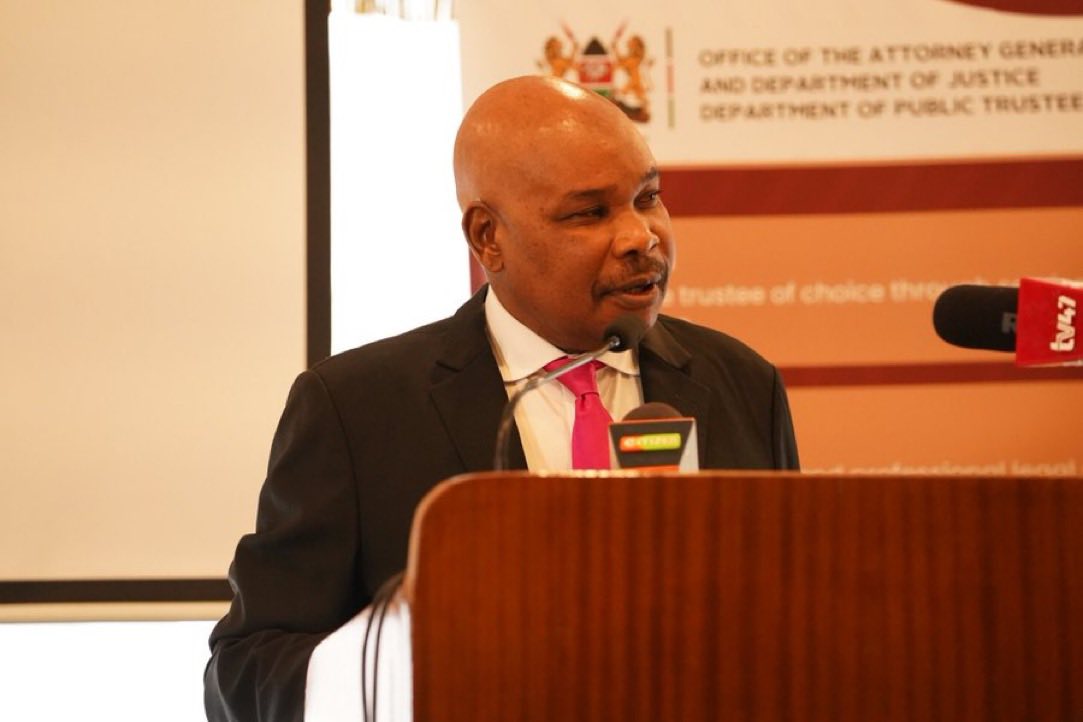
Sasra acting CEO David Sandagi /HANDOUT
As Kenyan households grapple with rising living costs,
job uncertainty and shrinking incomes, an unlikely financial lifeline is
quietly tightening its grip on the economy.
This is the Savings and Credit Cooperative Organisations
(Saccos).
Long viewed as the backbone of grassroots finance, Saccos
are increasingly shaping Kenya’s savings culture, even as economic pressures
test the resilience of households.
New data from the Sacco Societies Regulatory Authority
(SASRA) and findings from the latest FinAccess survey reveal a sector not only
growing in size, but also evolving in how Kenyans save, borrow and invest.
By the end of 2024, Kenya’s regulated SACCO sector had
amassed assets worth over Sh1.08 trillion, with membership rising to 7.39
million people .
This expansion underscores a deepening trust in
cooperative finance at a time when traditional banking and digital lending
platforms face growing scrutiny.
“Those with tertiary education are the most active
consumers of Sacco products at 26 per cent, followed by individuals with
secondary education 11.2 per cent and primary education 7.8 per cent,” Sasra
acting CEO David Sandagi notes.
Unlike commercial banks, Saccos are built on a
cooperative model where members pool savings and access credit at relatively
lower interest rates.
This structure has historically encouraged a
disciplined savings culture, particularly among formally employed Kenyans.
For decades, Saccos have been embedded in workplaces, from
teachers and civil servants to farmers and transport operators, creating a
system where savings are often deducted directly from salaries. This model has
proven remarkably resilient.
Recent findings show that monthly usage of Saccos services
remains high, averaging above 70 percent, largely tied to salary cycles. This
reflects a culture where saving is not optional but institutionalised.
“Many Kenyans don’t save because they have surplus
income, they save because Saccos structures force that discipline,” Nairobi-based
financial analyst John Ndege says.
This forced saving model has helped millions
accumulate assets over time— from land and housing to education funding,
reinforcing Saccos’ role as engines of long-term financial planning.
Kenya’s economic environment over the past three years
has been marked by inflationary pressures, high interest rates and currency
volatility. Yet, Saccos have continued to grow.
“The Sacco industry in Kenya continues to grow,
playing a vital role in national development and financial inclusion,” Sandagi
said, “ This growth is a result of increased public confidence, a supportive
regulatory environment, and the industry’s ability to mobilise savings and
provide affordable credit.”
Deposits rose to Sh831.9 billion last year up from 749.43 billion in 2024 and Sh682.19 billion the previous year, highlighting sustained member contribution,
the latest Sasra report notes.
At the same time, total loans grew to above Sh900 billion from Sh845.11
billion, reflecting strong demand for credit.
However, beneath this growth lies a shifting dynamic.
While more Kenyans are joining Saccos, fewer are borrowing.
The proportion of members accessing credit has
declined from 41.9 per cent in 2019 to 34.7 percent in 2024-2025.
Among barriers to Sacco financial services and
products identified includes affordability which stands out as the biggest
hurdle, identified by 54.5 per cent of respondents in the survey.
In contrast, trust (6.2 per cent) and eligibility (4.2
per cent) were much less frequently cited, suggesting that the public generally
has confidence in Saccos, which contributes to their increasing use.
“When looking at specific groups, 57.4 per cent of
women faced affordability issues compared to 51.3 per cent of men. People aged
46-55 years also found affordability to be their main obstacle. For young
individuals (18-25 years) and their dependents, eligibility was the most common
reason for not participating,” the report states.
This trend likely stems from the traditional structure
of Saccos, which often requires regular monthly savings contributions, posing a
challenge for those who may be unemployed or have fewer stable incomes.
“Overall, the report indicates positive growth in Sacco
usage, driven by improved regulations and increased public awareness. However,
it also stresses the importance of addressing consumer protection concerns to
maintain member trust and ensure the continued success of Sacco’s,” said Sandagi.
Despite the barriers, the size of loans has increased
significantly with the average loan value surging to over Sh316,000, indicating
that while fewer people are borrowing, those who do are taking larger loans, often
for major investments like education and housing.
The FinAccess survey shows that 34.2 per cent of loans
are used for education, while 26.7 per cent go toward land and housing.
This reinforces the sector’s importance beyond
consumption positioning Saccos as facilitators of upward mobility.
For many families, Sacco loans remain the most
accessible way to pay school fees or invest in property, especially compared to
stricter bank lending requirements.
Meanwhile, there has been a huge shift towards digital
products mainly mobile access to Sacco services which has surged from just 19
per cent in 2021 to a current average of 55 per cent, driven by the rollout of
USSD platforms, mobile apps and integration with mobile money systems.
This transformation is reshaping how members interact
with their savings.
“Younger, urban members are leading this shift,
favouring mobile platforms for convenience and speed. In contrast, older and
rural members still rely heavily on physical branches, highlighting a generational
and geographic divide,” the survey notes.
The hybrid model, combining digital and traditional
access, is now emerging as the dominant strategy for Saccos seeking to retain
existing members while attracting new ones.
Formal financial access has risen to 84.8 per cent of
the population, with Saccos contributing significantly to this growth. Notably,
Sacco members tend to exhibit higher financial literacy levels than the general
population, according to FinAccess.
“More than half of Sacco members are classified as
highly financially literate, compared to less than half of the general
population. They also demonstrate stronger understanding of key financial
concepts such as interest rates and inflation,” it notes in the report.
This suggests that participation in Saccos not only
improves access to financial services but also enhances financial knowledge and
decision-making.
Despite their growth, Saccos face significant
challenges that could limit their reach according to the survey.
Affordability remains the biggest barrier, cited by
over 54 percent of non-users . For many Kenyans, especially those in informal
employment, the requirement for regular monthly contributions makes Sacco
membership difficult.
Participation among those aged 18 to 25 remains the
lowest, reflecting challenges such as unemployment and irregular income.
Gender disparities also persist, with women facing
higher affordability barriers and receiving smaller loan amounts compared to
men.
Additionally, trust issues, though relatively low,
have been rising, alongside concerns about internal fraud and governance in
some Saccos.
Cooperatives Cabinet Secretary Wycliffe Oparanya has since
called for a review of Sacco regulations to strengthen governance, innovation
and sustainability across the country.
The CS has emphasised the urgent need for reforms that
will position Saccos to thrive in an increasingly dynamic financial environment.
Oparanya has urged Sacco leaders to adopt clear
long-term strategies ranging from five to 20 years, noting that strategic
planning is essential for sustainable growth and competitiveness.
“The is the need for Saccos to adopt a clear five-year
to 20-year strategic plan to ensure long-term growth, financial stability and
competitiveness in the evolving financial landscape,” he said during the Kenya
Union of Savings and Credit Cooperatives (KUSCCO) 11th Annual Sacco Leaders’
Convention in Mombasa.
According to the CS, a structured and forward-looking
approach will help Saccos manage risks, embrace innovation, and remain
resilient amid shifting market forces and regulatory changes.
He further underscored the importance of youth
inclusion within the cooperative movement, calling on societies to deliberately
involve young people aged between 18 and 35 years.
“Empowering young members will inject fresh ideas,
digital innovation and ensure continuity in leadership,” the CS said.
Fintech Group head of business development and marketing
Hassan Issa notes that aligning technology solutions with government policy
direction are key.
Meanwhile, mobilising domestic saving provides a
stable source of capital for investment, reducing reliance on external
borrowing, according to industry players.
Saccos across Kenya are also rethinking their traditional lending models as the long-standing guarantor system becomes harder to sustain in urban areas, with a new focus on collateral.
This is premium content
Subscribe to Continue Reading
Help us continue bringing you unbiased news, in-depth investigations, and diverse perspectives. Your subscription keeps our mission alive and empowers us to provide high-quality, trustworthy journalism. Join us today to make a difference!






![[PHOTOS] The new Ngong –Naivasha Road viaduct](https://cdn.radioafrica.digital/image/2026/06/64d4f771-4432-4aee-ba3c-2f304c4436ec.jpg)