By contrast, American culture is often seen as more assertive and self-promoting. Individualism and competition are highly valued. In recent years Chinese culture has seen a rise in assertiveness and self-promotion, especially in the context of economic development and global influence.
When it comes to business, failing to celebrate genuine success is usually counterproductive. Xerox is often cited as one of the classic cases of a company that didn't fully capitalise on its innovations. In the 1970s, Xerox developed the first commercial photocopier, revolutionising office productivity. However, instead of aggressively promoting success and consolidating their market dominance, Xerox allowed other companies to enter the market and capture significant market share by association with the category benefit that Xerox had created. The same company played a major role in making the computer mouse an essential tool, but never told anybody.
I have seen many businesses labour long and hard to pioneer products and services but then spend little time or effort publicising such innovation. They wake up one day to find that competitors are claiming the credit and there’s nothing they can do about it.
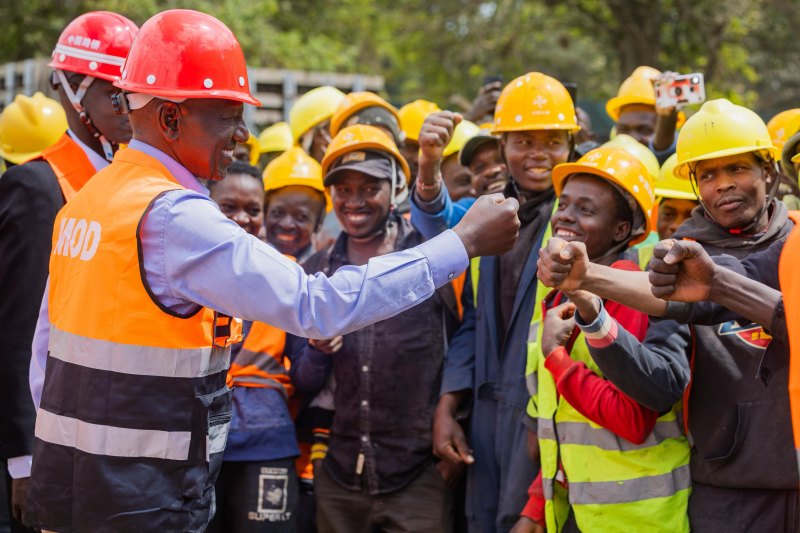
Celebrating success together has a positive impact on employees and culture. Psychologically, human beings who celebrate together enjoy stronger social bonds. Physiologically, their bodies produce the hormone oxytocin, associated with bonding and trust. As individuals, they feel better about themselves because their brains release the neurotransmitter dopamine, which creates a sense of happiness and satisfaction. Leaders who are concerned about levels of stress in the workplace also know that positive reinforcement and recognition can mitigate anxiety, reducing the levels of stress hormones, such as cortisol, in the body.
Success stories become part of an organisation's narrative and history. They shape the collective identity of the company, providing a sense of pride and belonging among employees. This identity endures during challenging times - a characteristic of the sustainable business model that is now much sought after. And, if you are deliberate in attributing success to your organisation's purpose or values, employees are reminded that they come to work for you because they earn more than just a salary.
Go on and blow that trumpet - it’s good for you, your people, your brand and your business!
Chris Harrison leads The Brand Inside
www.thebrandinsideafrica.com


![[PHOTOS] The new Ngong –Naivasha Road viaduct](https://cdn.radioafrica.digital/image/2026/06/64d4f771-4432-4aee-ba3c-2f304c4436ec.jpg)









![[PHOTOS] 'Mr Speaker Sir' Gen Z protester in court](https://cdn.radioafrica.digital/image/2026/06/b3e62d8e-25c3-4780-90f9-4eb48b1ce8a7.jpg)