
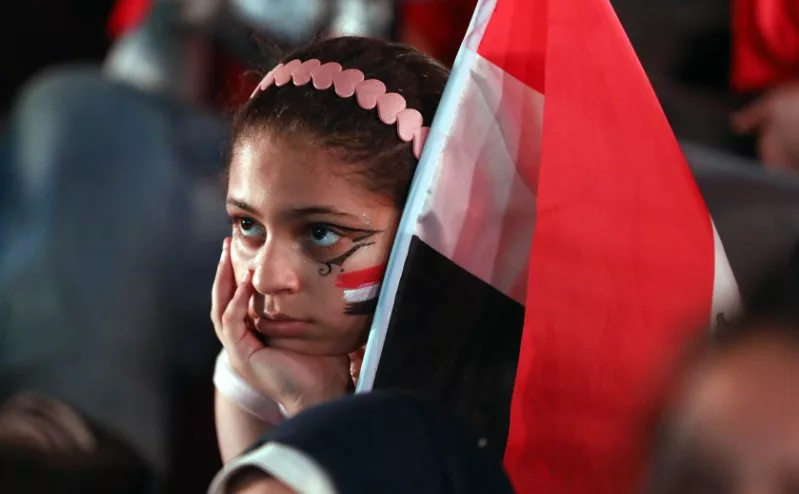
 Egyptian fan reacts after Egypt fell to Argentina in the Round of 16 match/ XINHUA
Former Harambee Stars head coach Adel Amrouche has challenged African football nations to abandon the culture of short-term solutions and instead invest in developing homegrown talent if they hope to become genuine contenders at future FIFA World Cups.
The experienced Algerian coach said Africa's repeated disappointments on football's biggest stage stem from years of neglecting grassroots structures and relying on quick fixes instead of long-term planning.
Reflecting on the ongoing World Cup, where most African representatives failed to make a significant impact, Amrouche said sustainable success can only be achieved through patience and a commitment to youth development.
"We must stop looking for immediate results without laying down the necessary foundations. Building a competitive national team takes time, vision and continuity," Amrouche said.
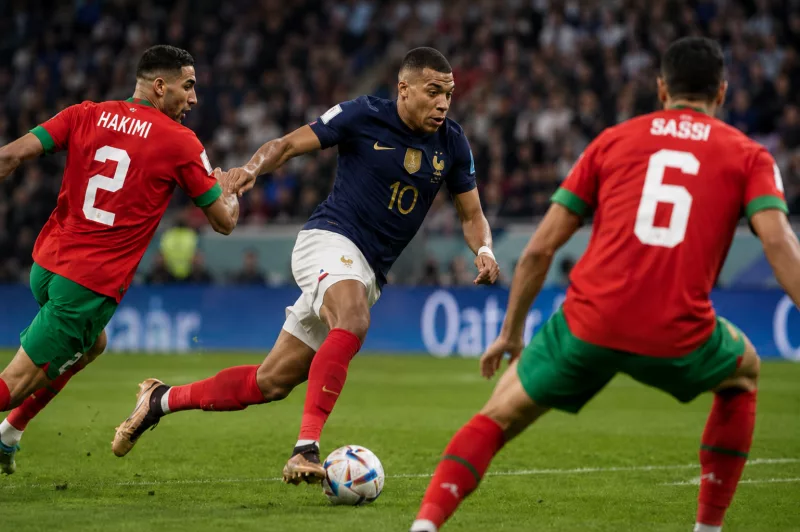
His remarks come as Morocco remains the continent's sole representative in the latter stages of the tournament after the elimination of several traditional heavyweights, including Egypt, Ghana, Senegal, Algeria, Tunisia, South Africa and Cape Verde.
According to Amrouche, the early exits are not simply the result of poor performances on the pitch but reflect years of inadequate planning, inconsistent technical direction and underinvestment in youth structures. "True success at the World Cup cannot be bought or rushed through panic appointments. It is built over many years by trusting young players and creating the right environment for them to develop," he said.
The UEFA Pro Licence holder argued that Africa possesses an abundance of natural football talent but continues to fall behind because many federations fail to prioritise academies, coaching education and structured player pathways. "African football authorities need to trust the youth and give them the platform to grow naturally. That is the only sustainable route to success," he added.
Amrouche pointed to his spell in Kenya as evidence that investing in young players can produce lasting results. During his 18-month tenure between 2013 and 2014, he reshaped the Harambee Stars by introducing several promising youngsters who would later become pillars of Kenyan football.
Among those who flourished under his guidance were current Harambee Stars captain Michael Olunga, midfielder Francis Kahata, defender David Ochieng, left-back Aboud Omar and midfielder Anthony Akumu, all of whom became regulars for the national team after earning his trust.
Amrouche also worked to convince highly rated youngster Divock Origi, whose father is former Kenyan international Mike Okoth Origi, to consider representing Kenya before the striker ultimately chose Belgium, where he went on to enjoy an illustrious international career.
"I took risks on players many believed were too young. They rewarded that faith with commitment and performances, and several went on to build successful careers," Amrouche recalled.
His youthful Harambee Stars side reached one of its finest moments by lifting the 2013 CECAFA Senior Challenge Cup title, ending Kenya's long wait for regional glory and showcasing the potential of locally nurtured talent.
Having managed national teams including Burundi, Libya, Botswana and Tanzania, as well as clubs across Africa, Amrouche said he has witnessed the same administrative shortcomings repeated throughout the continent. "Wherever I have worked, I have seen similar structural mistakes. We cannot expect different results if we continue following the same path," he said.
He concluded with a warning that unless African football embraces grassroots development and long-term planning, the continent will continue to struggle to challenge the world's elite. "If we do not change our mindset and invest heavily in grassroots academies, reaching the World Cup semi-finals will remain an exception rather than the norm for African football," Amrouche said.