


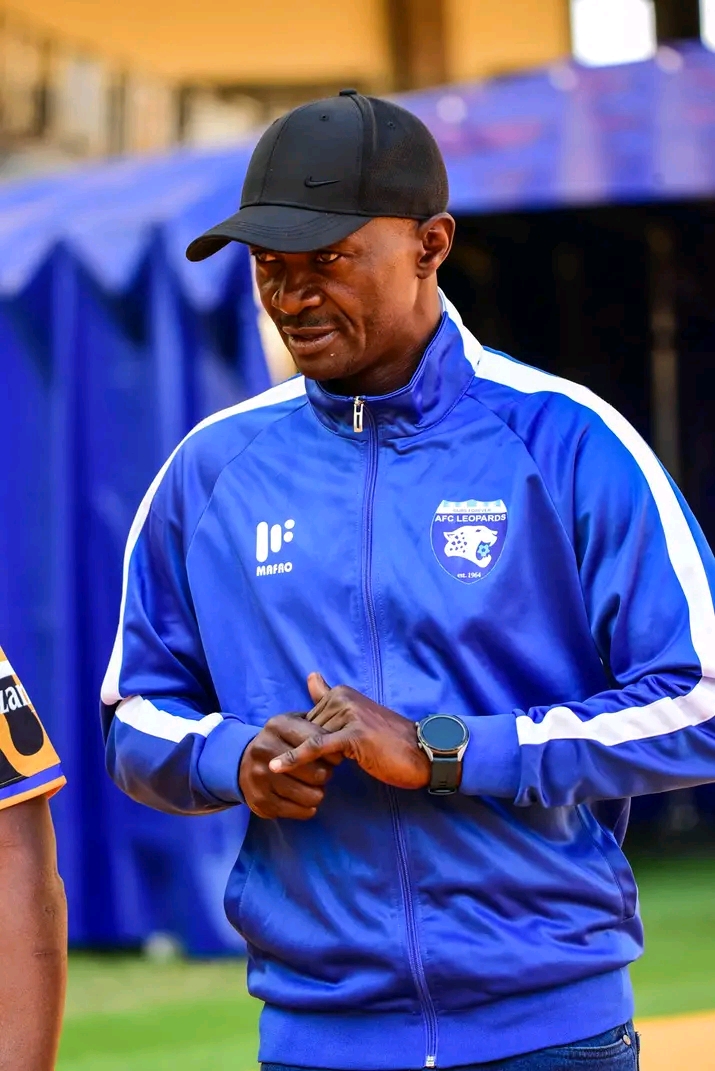
On a quiet weekday morning at Marist International University in Karen, AFC Leopards head coach Fred Ambani stands at the touchline, arms folded, watching his charges bang in crosses with the urgency of men who know the clock is ticking.
The players are soaked in sweat, the drills are unrelenting, the instructions sharp. This is not a casual build-up to another league fixture. This is a campaign of intent.
Leopards, the country’s oldest club, last touched the league crown in 1998. Twenty-seven years of rebuilds, resets and recurring heartbreak have since defined their story.
However, Ambani is unfazed by history. He’s staring dead ahead at a group he insists is deeper, grittier and more ambitious than the sceptics ever imagined.
“We have enough depth to fight on all fronts,” Ambani says after training, voice firm and unpretentious. “We are not here to decorate the league. We are here to hunt, to collect points, and to stay consistent.”
In the age of tactical buzzwords and armchair analytics, Ambani's language is lean. He talks of responsibility and repetition, of executing simple ideas with precision.
He carries the authority of a man who has lived the game at every level. As a striker, he played for Oserian, Tusker, Muhoroni and the national team. But as a coach, he has become something more elemental—an architect of belief.
The team has changed over the last 18 months. It is younger, quicker, bolder. There is steel in midfield and ambition on the flanks. The defence, once leaky, now reflects a collective pride. In Ambani’s view, there are no passengers in this squad, and everyone must sweat, tackle, sprint, and sacrifice.
“We play to impose ourselves. We want to control space and tempo. You can't win anything by being passive,” he explains. “These boys understand that every minute of every match matters.”
Leopards fans have been here before—hope has burned bright only to fizzle out by midseason. Ambani does not deny the history. Instead, he confronts it head-on, almost daring the club’s ghosts to try him.
The new technical bench leadership is less emotional and more strategic. There is clarity in the recruitment, discretion in training loads, and a noticeable calmness around the camp.
When asked about pressure, Ambani shrugs, “Pressure is part of this job. You embrace it. You translate it into intensity.”
The chemistry between the technical bench and the playing unit is visible. Sessions are crisp. Instructions are specific. No theatrics. No illusions. This is a squad built to run, press, recover, and run again. The modern game demands stamina and coherence; Ambani has installed both.
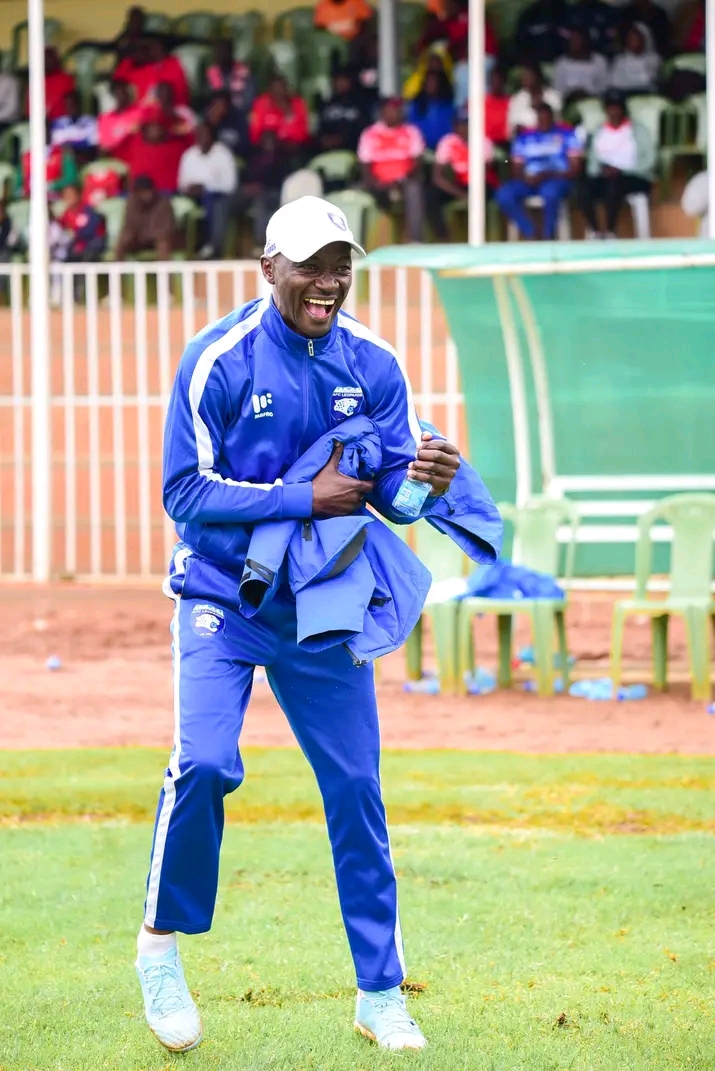
At the same time, he understands the unforgiving nature of the Kenyan league—how potholes, turf conditions, refereeing decisions and travel logistics can contaminate tactics. Yet his conviction remains intact.
“The league is a marathon, not a sprint. If you plan well, if you rotate effectively, if you keep players hungry and fresh, you will be in the conversation at the end.”
AFC Leopards have been many things over the years: romantic, volatile, unpredictable. But this version under Ambani feels grounded, industrial, methodical.
The hunger is visible, audible, palpable. It’s in the way players jog off the pitch after drills. It’s in the way they scrap for second balls in training matches that mean nothing and everything.
“Consistency,” Ambani says, almost as a mantra. “That is our currency. Game after game.”
Leopards have dared to dream before. But Ambani’s approach is not about dreaming; it is about building. And if his men stay healthy, focused, and brutal in execution, the oldest club in Kenya might not just dust off history—they might rewrite it.