
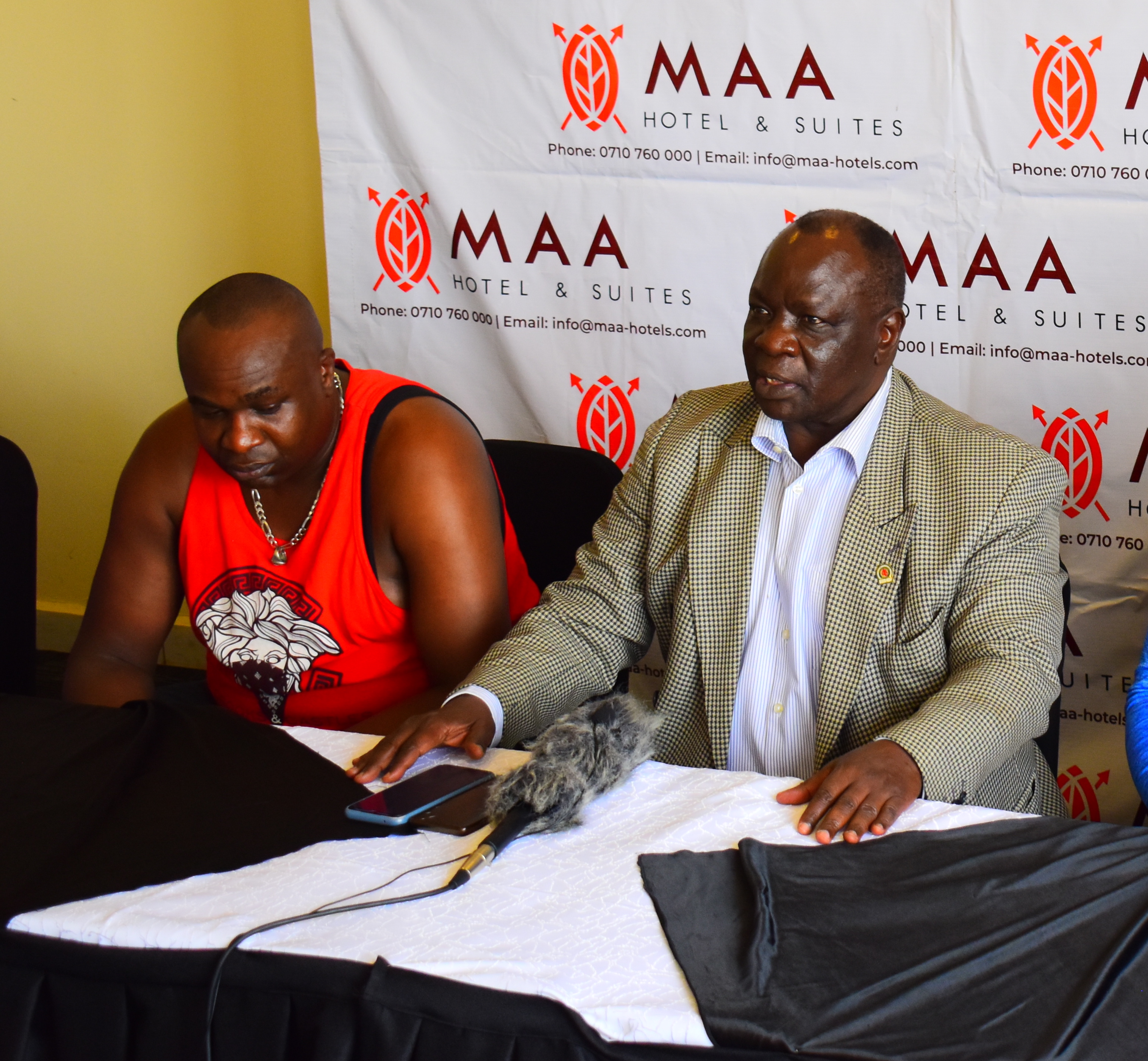
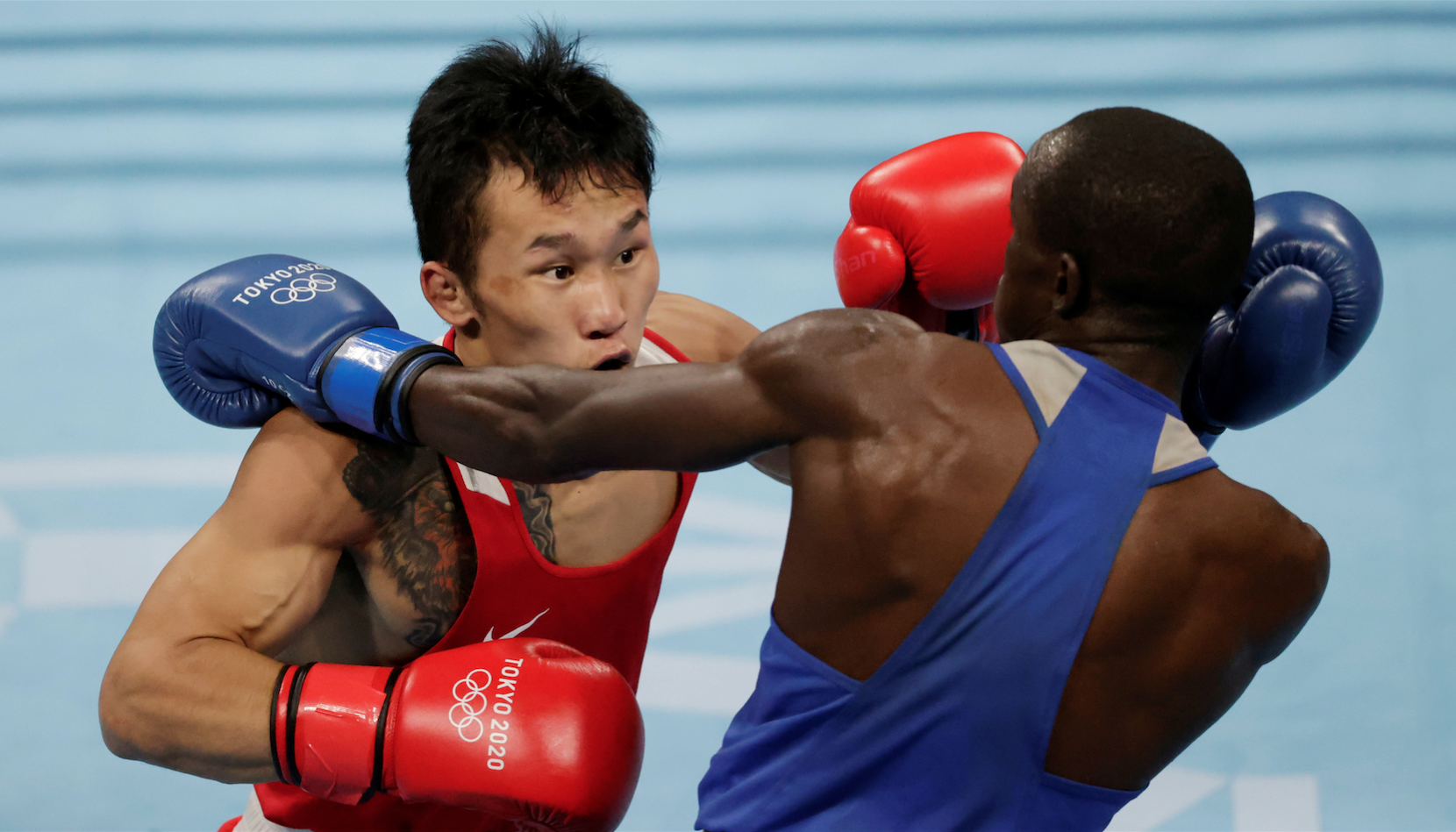
When head coach Musa Benjamin unveiled his 13-man squad for the 2025 IBA World Boxing Championships, set for Dubai early next month, it should have marked a moment of national confidence.
Instead, it served as yet another reminder of Kenya’s perennial Achilles’ heel: chronic under-preparation wrapped in perfunctory optimism. The naming of the Hit Squad ought to be a declaration that Kenya intends to reclaim its place as a continental force in the ring.
Yet, unless the Boxing Federation of Kenya (BFK) and the government urgently recalibrate their approach, the country risks sending its best fighters abroad armed with little more than raw talent and patriotic hope.
Kenyan boxing is not short on spirit or potential. The problem is the same one that has plagued the sport for decades—systemic neglect dressed up as resilience.
That the national team is being prepared for a global championship in such a rushed manner is a stark indictment of the structures meant to steward elite performance.
These boxers are not amateurs plucked from obscurity; they are seasoned athletes who have earned the right to compete on the world stage. What they lack, through no fault of their own, is an ecosystem capable of matching their ambition.
BFK’s first obligation is brutally straightforward: ensure proper preparation. That means months of structured camps, international sparring opportunities, medical support and strength-and-conditioning personnel, and a predictable performance calendar. Anything less is not serious.
The idea that high-level athletes can be polished into medal contenders through hurried training blocks is a fantasy that belongs to the last century, not a nation seeking global sporting legitimacy.
Head coach Benjamin has repeatedly sounded the alarm on the need for quality training, and he is correct to do so. A squad cannot progress when the federation responsible for it treats major tournaments as logistical inconveniences rather than national priorities.
If boxing champions are forged through consistency, then Kenyan boxing is too often relying on improvisation. That approach might produce occasional flashes of success, but it will not deliver sustainable excellence.
It is here that government intervention becomes not merely important but decisive. In fairness, the last few years have seen renewed public investment in football, with visible attempts to professionalise leagues, restore stadiums, and elevate the national team.
That commitment has been commendable. Yet the same urgency has not been extended to boxing, even though Kenya’s Olympic and Commonwealth history was built on the fists of men such as Robert Wangila, Philip Waruinge, and Suleiman Bilali.
If the government can ring-fence significant resources for football in the name of reviving national pride—and rightly so—it must apply the same principle to boxing.
Equity in sports development is not about distributing funds equally; it is about recognising which disciplines have proven potential and which require strategic re-investment.
Boxing has repeatedly demonstrated its capacity to put Kenya on the podium. However, it has been allowed to languish in administrative inertia.
There is also the question of ambition. Kenya should not simply be participating in Dubai; it should be competing. That requires not only investment but intent. Purpose. A clear vision that goes beyond qualifying for events and extends to winning at them.
If the government genuinely intends to restore Kenya’s stature as a sporting nation, then the boxing team must no longer be treated as an afterthought. They should be part of a national high-performance blueprint anchored in modern coaching, scientific training, and international exposure.
The athletes themselves have never been the problem. They have shown time and again that they are willing to endure poor facilities, inconsistent allowances, and unpredictable training schedules.
But patriotism alone cannot shoulder the burden forever. Kenya must stop expecting its boxers to overachieve on shoestring preparation and instead give them the tools required to meet world standards. Dubai is weeks away. That reality cannot be changed. But what can change is the attitude that brought the team to this point.
BFK must immediately institute rigorous training sessions, secure international sparring partners, and provide medical and nutritional support.
The Ministry of Sports must treat this championship with the seriousness it accords to football initiatives. Anything less would be a dereliction of duty.
Kenyan boxing has always represented something greater than the bouts themselves. It symbolises discipline, courage, and the belief that a small nation can stand toe-to-toe with giants and still prevail.
If that legacy is to continue, then both BFK and the government must finally recognise that success in global sport is not accidental. It is the product of planning, investment, and respect for the athletes and for the flag they carry.
Kenya’s fighters are ready. The question is whether the institutions entrusted with supporting them are willing to match their resolve.