During a recent public meeting at Jeevanjee
Gardens by Treasury CS John Mbadi discussing the proposed Finance Bill 2026, a
member of the public wondered aloud why we do not simply legalise corruption
and tax it heavily, given that we are already losing a third of our annual
budget to it tax-free.
While this is, for many, a non-starter, it
could point to a bigger issue the speaker was trying to highlight in our long
and chequered battle against corruption, state capture and the shameless
looting of public funds.
Looting of public funds by those entrusted
to oversee them is hardly a head-turner in Kenya. The latest such incident is
the arrest of Patrick Analo, the Nairobi county planning chief, whose house and
vehicles were raided by Ethics and Anti-Corruption Commission sleuths, with up
to Sh65 million allegedly found stashed in travel bags.
It is reasonable to
reckon that the Nairobi case is merely the tip of the iceberg of what is happening
in counties across the country, and please don’t get me started on the national
government.
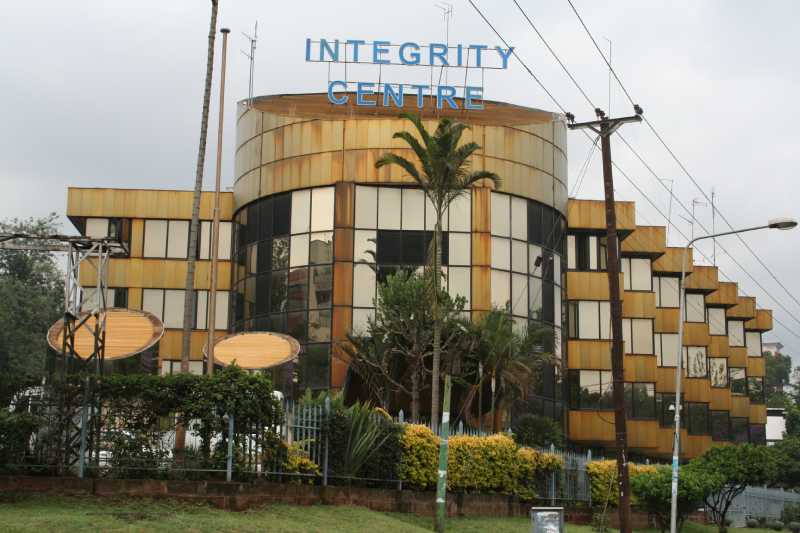
The Urban Development and Planning
Department is one of the most influential offices at City Hall, overseeing
development approvals, planning permissions, change-of-user applications and
enforcement of urban planning regulations across the capital. Investigators
believe Analo allegedly received up to Sh170 million in bribes between the 2019-20
and 2025-26 financial years.
While he was swiftly arrested and taken
into custody amid much drama and media frenzy, any keen observer of how
mega-corruption cases are handled in this country can easily predict how the
case is likely to end. Not much will happen to him.
The case will drag on in
court for years before eventually being thrown out on grounds of insufficient
evidence or procedural technicalities. Even if the evidence proves sufficient,
the conviction may ultimately be for a far lesser offence, attracting little
more than a slap on the wrist.
Given the foregoing, I think this is the
context from which the Jeevanjee Gardens speaker was coming: finding a way of
redirecting looted public funds towards the public good while sparing the
country the often-long-winded court processes that yield little which in
effect, encourages more people to devise innovative ways of stealing from the
public.
Consider how the Trump administration in
the United States dealt with the highly publicised Gautam Adani criminal
indictment. The Indian billionaire was accused of bribing Indian officials to
the tune of $265 million to secure contracts and misleading US investors in
relation to a solar energy project in India, allegations his company has
consistently denied.
The case was in May this year dropped by
the US Department of Justice after Adani pledged a $10 billion investment in
the United States, an undertaking expected to create up to 15,000 jobs.
Adani Enterprises also reached a $275
million agreement with the US Treasury Department to settle claims in another
matter regarding the purchase of liquefied petroleum gas that originated in
Iran.
Prosecutors alleged that the company had purchased shipments of LPG from
a Dubai-based trader that purported to supply Omani and Iraqi gas while
overlooking red flags indicating that the supplies actually originated in Iran,
according to the US regulator.
The regulator added that the settlement
amount reflected the fact that the violations were “egregious and not
voluntarily self-disclosed”.
Also, the US Securities and Exchange
Commission settled a parallel civil lawsuit against Adani and his nephew, Sagar
Adani, for $18 million, resolving allegations related to disclosures
surrounding a solar energy project.
The decision came barely after Adani
appointed Robert J. Giuffra Jr. to his legal team, who also happens to be one
of President Donald Trump's personal attorneys, according to reporting by The
New York Times.
The DOJ explained that it had “reviewed
this case and has decided, in its prosecutorial discretion, not to devote
further resources to these criminal charges against individual defendants”.
Put differently, American authorities
appear to understand that judicial punishment need not always culminate in a
custodial sentence. Rather, the relevant question is whether the outcome serves
the greatest public good while consuming the least public resources to achieve
it.
It is this understanding that seemed to be
missing during the Adani-JKIA expansion debate, when public pressure ultimately
saw the government terminate both the airport expansion and power transmission
reform projects.
The fact that an individual or entity is tainted by
allegations of corruption should not necessarily impede any public good that
can be extracted from or through them.
Thankfully, our Office of the Director of
Public Prosecutions already has a well-developed plea-bargaining framework that
can be reinvigorated and applied more robustly alongside conventional
litigation.
Cases ranging from Anglo Leasing to the NYS scandals, in which
billions were carted away from public coffers, might have produced outcomes
better aligned with the public interest had greater emphasis been placed on
restitution and recovery rather than lengthy prosecutions that yielded little
in return.

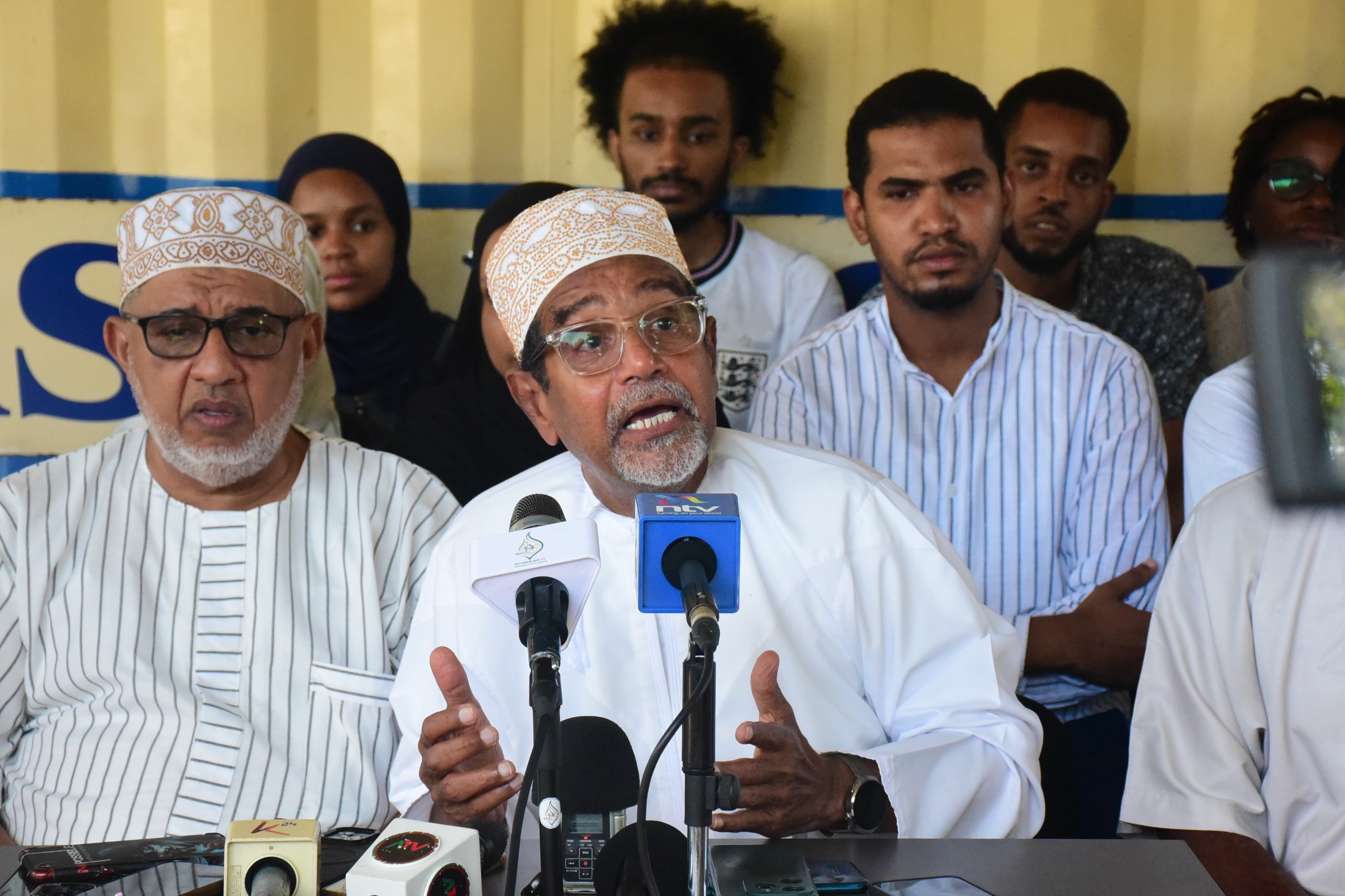
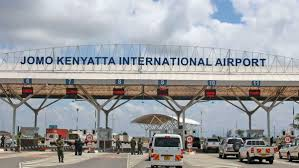 Adani-JKIA expansion debate saw the government terminate both the airport expansion and power transmission reform projects /FILE