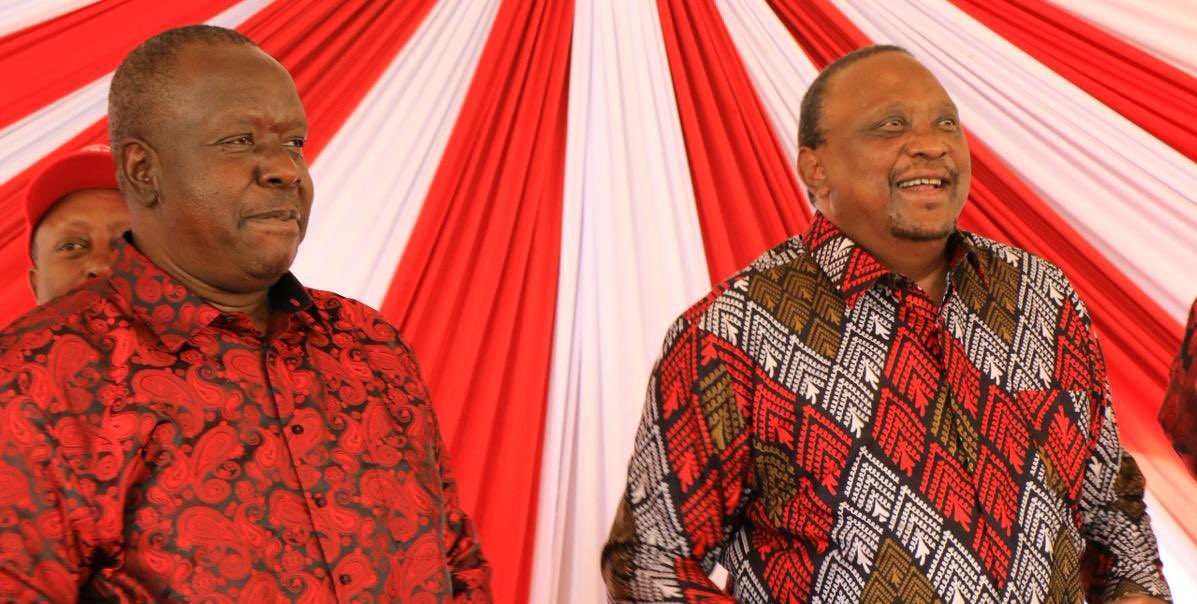
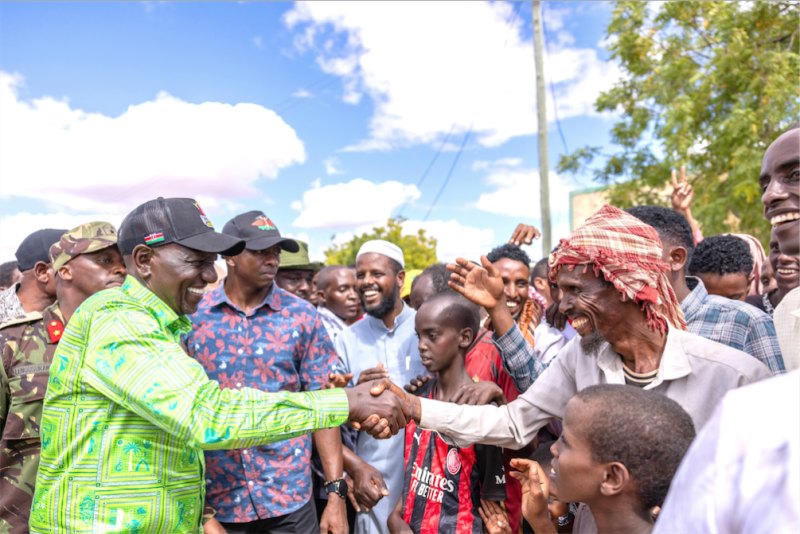
Listening to retired President Uhuru
Kenyatta call in to address a mammoth Jubilee Party crowd in Narok, one could
not but hear the echoes of his father.
The Gen Z would find this difficult to
relate that most people in their Gen X or Baby Boomer parents’ ages only heard
Jomo Kenyatta’s voice on radio as they had no access to television. And mzee
could deliver those speeches in a captivating manner, sometimes complete with
language we cannot ascribe to him.
Uhuru’s phone call was equally
captivating, fiery and has no doubt unsettled many who assumed—or more
accurately were on their knees praying that he would just quietly enjoy
retirement and not get involved in politics anymore.
To think or wish so is naïve as that
phone call was a marker to say to all and sundry, if you think Uhuru was just
going to be on the sidelines watching this high-stakes game being played out,
shake yourself off that dream.
Uhuru dismissed critics telling him
to remain silent in retirement, questioning why previous leaders were not
treated similarly. "When I speak one or two things, I am told I have
retired and should go home.
Why didn't they tell Moi to retire and go home?” he
asked. Uhuru reaffirmed Jubilee’s strength and the fact that the party is now "safely
back in his hands" after efforts to steal it from him.
The former president urged his
supporters to focus on grassroots recruitment and restructuring the party as it
fields candidates for all positions, either alone or in a coalition. He also
made it known for those in caves who his choice to defeat his successor come
2027 is.
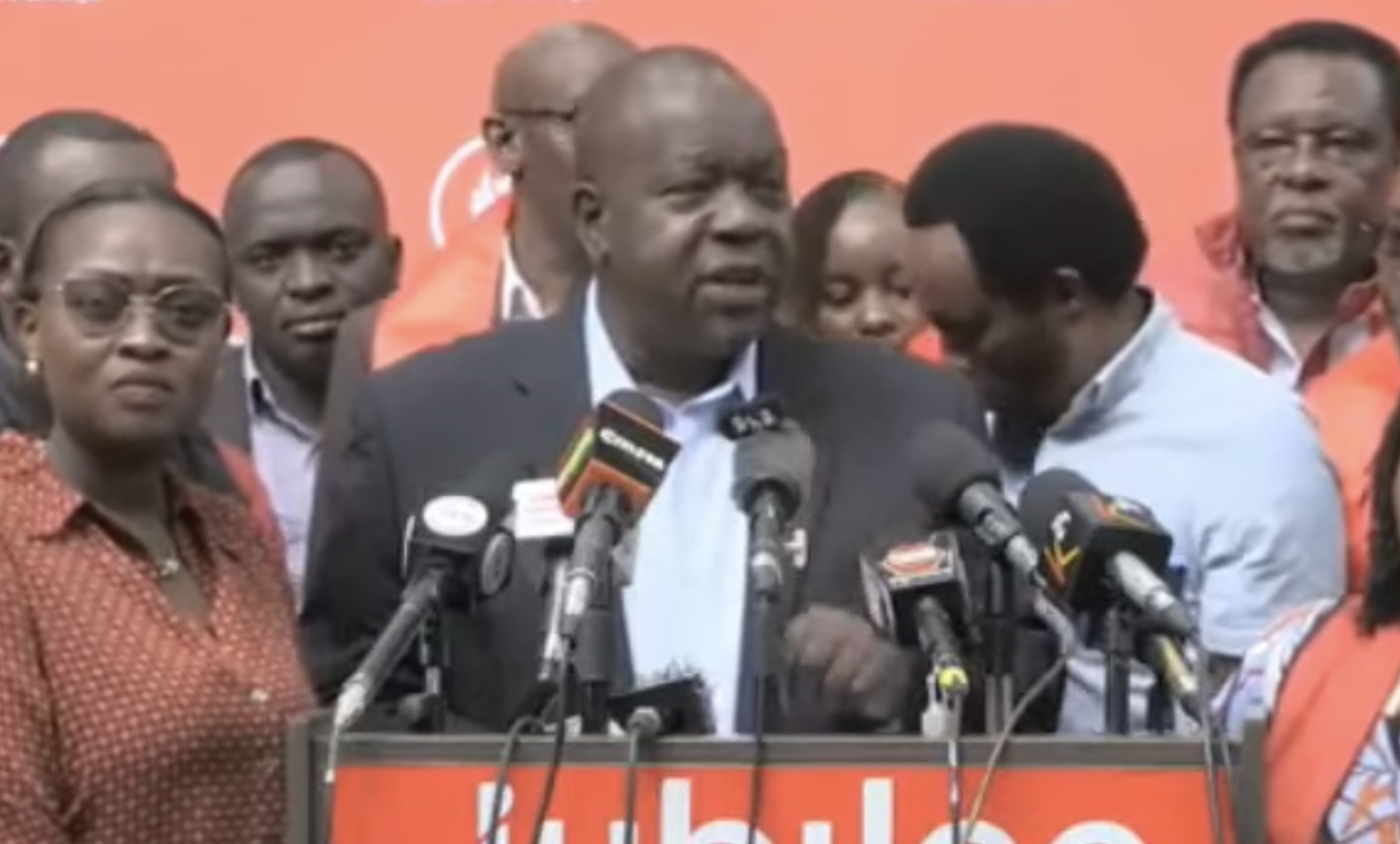
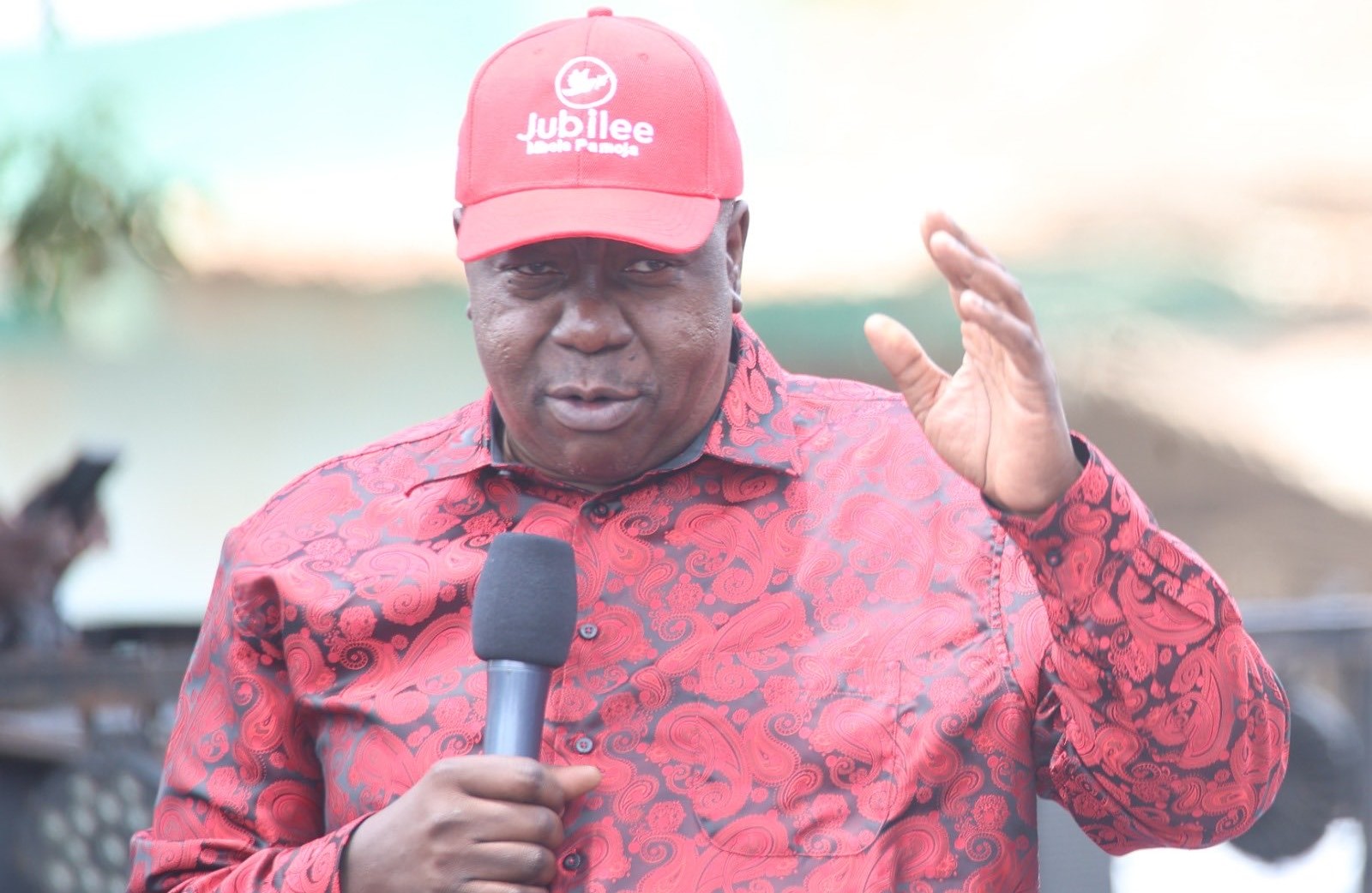
In efforts to blunt this huge
political declaration affirming former Super CS Fred Matiang’i as his choice to
carry the Jubilee and therefore the opposition’s flag, some senator rushed to
file a motion in Parliament seeking to strip Uhuru of his retirement benefits
on the grounds that he has engaged in partisan political activity, allegedly in
violation of the Presidential Retirement Benefits Act.
It is a politically useful argument
to those grasping at the straws, but it is also, on closer inspection, a legally impotent
one.
Kenya’s constitutional framework is
not ambiguous on this point. Article 151(3) provides that the retirement
benefits of a former president “shall not be varied to their disadvantage
during their lifetime.”
This is not casual drafting. It reflects a deliberate
decision by the framers to insulate former presidents from precisely the kind
of shifting political winds now animating this motion. The dignity of the
office, once held, was to be protected not as a personal favour, but as an
institutional safeguard.
The Presidential Retirement Benefits
Act makes operational that constitutional guarantee, setting out a generous
package that includes pension, security, staff and logistical support.
But it
also contradicts other parts of the constitution by assuming that a retired
president will withdraw from active partisan politics and adopt a more
restrained, advisory role—a kind of elder statesman model that is as much
aspirational as it is legal.
That assumption underlies the hurriedly
filed motion which is more for show than having any real chance of garnering
the two-thirds majority of the members of the National Assembly, let alone
judicial review.
Uhuru, like any other Kenyan, retains
his political rights. Article 38 guarantees every citizen the right to
participate in political processes. Any attempt to read the Retirement Benefits
Act as imposing a blanket prohibition on political activity would be
unconstitutional because statutory provisions cannot extinguish rights that the
Constitution explicitly protects.
Even if one were to assume, for the
sake of argument, that Uhuru has crossed into partisan terrain, the remedy
being proposed—a wholesale withdrawal of benefits—is staggeringly disproportionate.
Constitutional interpretation in Kenya, as elsewhere, is guided not only by
text but by the principle of proportionality, which is absent in the motion.
This, then, is nothing but an effort
to blunt Uhuru’s monumental endorsement of Matiang’i and this includes a corresponding
spike in fake social media posts, which one can expect more of the same going
forward, but will not change the trajectory.