It is very welcome news that President William Ruto intends to make
Kenya the next Singapore in a few years. We have to move as a nation and not
stay in our governance comfort zone forever and ever. It has however been a
tough year, so many struggles that Kenyans continue to fight for linger even as
we close the year, such as the struggle for good governance. Good governance
encompasses everything.
President Ruto is ruling Kenya at a time when people, especially the
Kenyan youth, are not scared of voicing their opinions. The youth are spoilt for
choice over channels to use, and stopping them is impossible at this point in
our development trajectory. What does it therefore mean, as Ruto starts his
plan to make Kenya the next Singapore and especially in the front of good
governance?
What
many think the President speaks of becoming “the next Singapore” is he might be
speaking first and foremost about strong institutions, discipline and public
trust. A quick research on the policies of Lee Kuan Yew, the former Prime
Minister of Singapore, shows Singapore did not rise on rhetoric alone, it was
built on serious uncompromising standards of governance, accountability, and a
social contract that placed citizens at the centre of the state’s ambitions.
Kenya’s
journey, therefore, must begin with confronting our current uncomfortable truths
about corruption, inequality and exclusion that have continued to erode public
confidence, especially amongst the youth, who even feel like they do not need
to take part in civil processes like voting but still want change.
Good
governance is not an abstract concept. It is reflected in how public resources
are managed, how decisions are made, and how leaders respond to dissent. At a
time when Kenyan youth are digitally connected, politically aware, and
unapologetically vocal, leadership must shift from control to engagement.
Silencing criticism or dismissing youthful frustration only deepens mistrust.
Instead, this moment calls for listening, transparency and genuine inclusion of
young people in policy conversations beyond symbolic appointments.
If
Kenya is to emulate Singapore, then meritocracy must replace the current
patronage we experience, efficiency should take over from bureaucracy, just as
proposed by the current president of Botswana HE Duma Boko, and public service ‘gava’jobs’
must be treated as a responsibility rather than a privilege. Roads and
skyscrapers, through proposed infrastructure projects might mean little if
citizens still struggle to access justice, decent healthcare, decent education and
dignified livelihoods, which are basic tenets of development.
President
Ruto’s vision, through his proposed National Infrastructure Fund definitely presents
an opportunity, but it also raises expectations. Fair taxation, accountable
leadership, respect for human rights and consistent rule of law is what Kenyans
will use to measure the President’s progress. Becoming the next Singapore cannot
happen overnight, and we as citizens need to accept that, but it can begin now,
with the President leading with honest leadership, strong institutions and a
governance culture that places the people first.
[email protected]
Vera
writes on African Youth, Democracy, Higher Education and Development

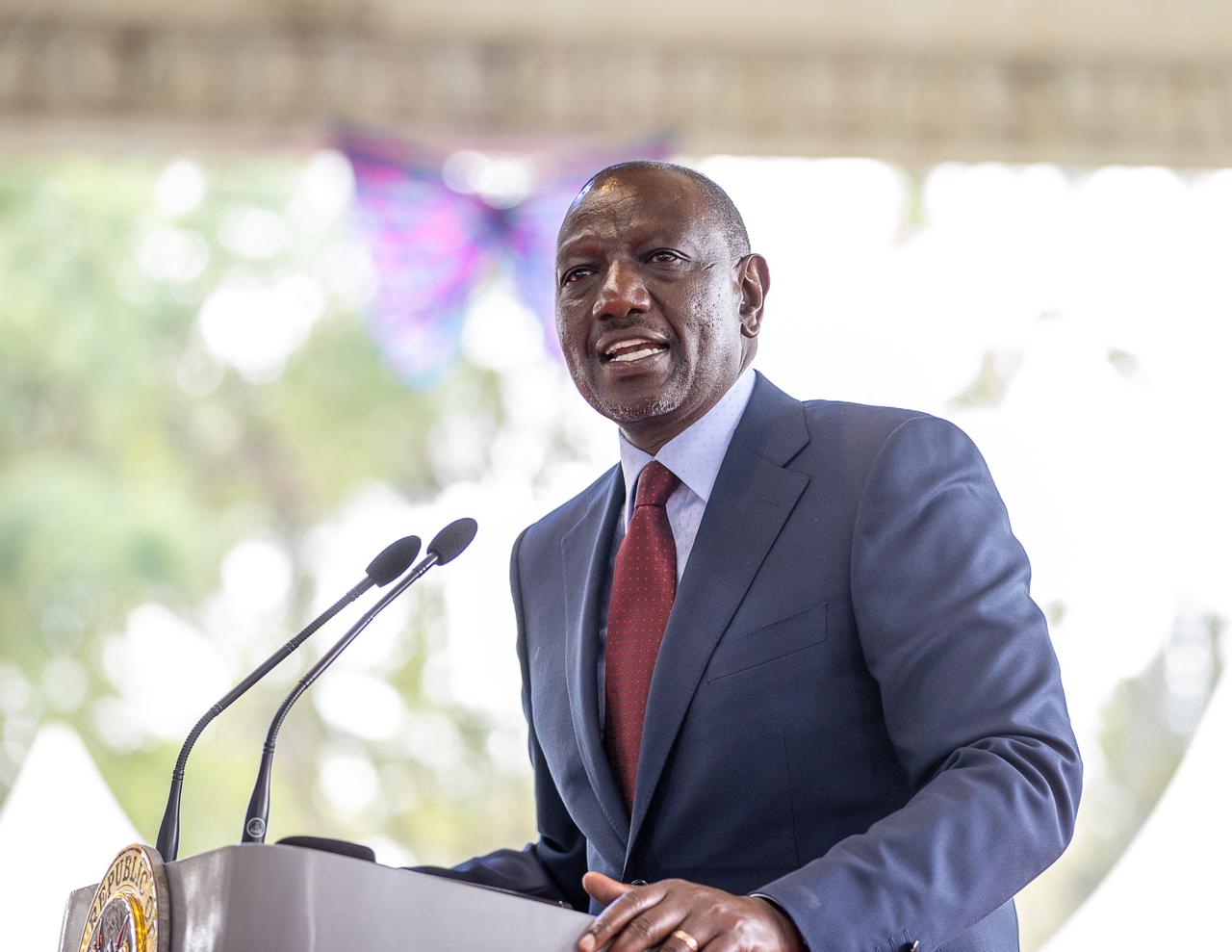 President William Ruto speaking at State House, Nairobi/PCS