The year 2024 began with a shocking
escalation of femicide in Kenya, sparking national outrage and critical
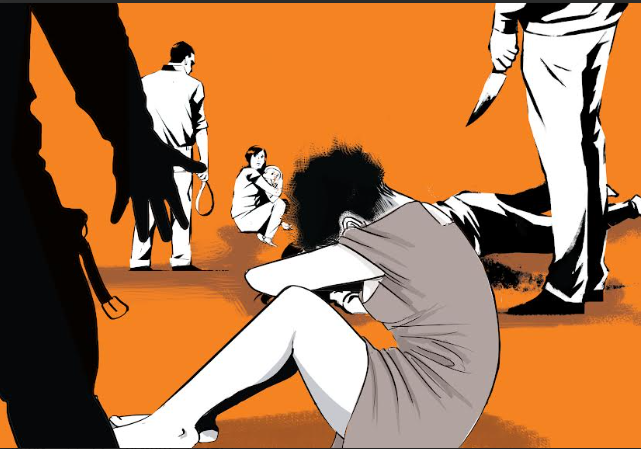
introspection. The tragic loss of life, often accompanied by extreme brutality —
such as dismemberment and torture — has forced us to confront the grim reality
of pervasive gender-based violence and question the country’s commitment to
upholding human rights.
With reports of at least 30 femicide
cases in the first 27 days of January 2024 alone and an estimated 725 women
killed in 2022, the data paints a distressing picture. And the numbers are
probably much higher, considering significant underreporting due to fear,
stigma and mistrust in the authorities.
The failure to consistently label
these intentional killings of women and girls as "femicide" in
official crime reports further obscures the true scale of the crisis.
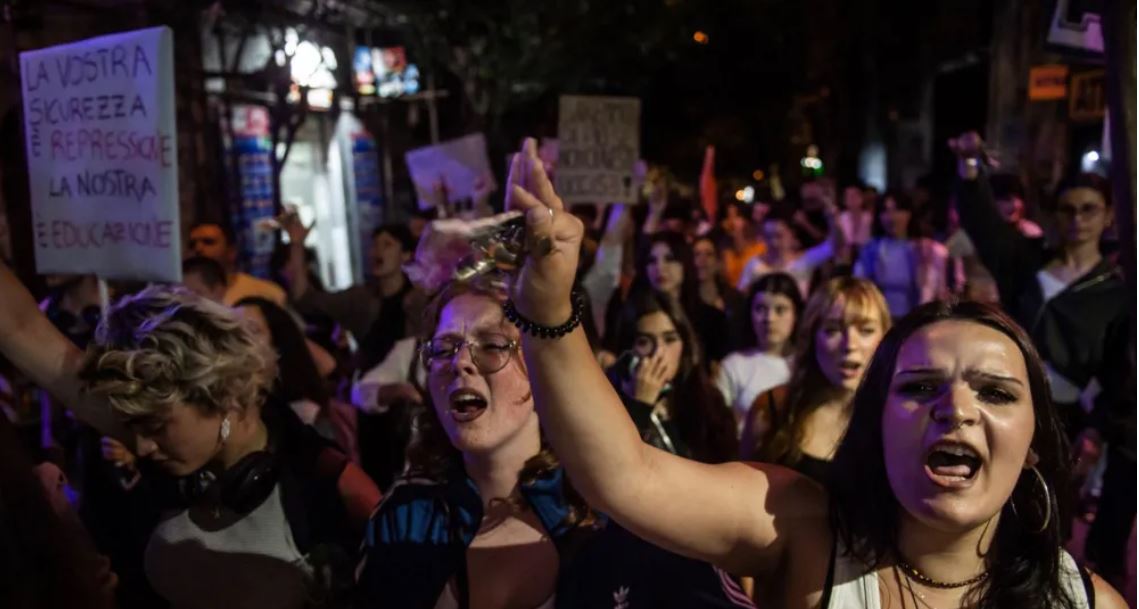
The early weeks of 2024 were defined
by two high-profile femicide cases that ignited the national discourse and the
'#StopKillingWomen' protests.
Starlet Wahu, a 26-year-old social
media personality, was found dead in an Airbnb apartment in Nairobi’s South B
area. She had bled to death from a fatal stab wound and a postmortem also
indicated signs of strangulation. She was allegedly killed by a man she had met
online. The swift discovery of the body, coupled with the victim’s public
profile, brought immediate attention to the dangers women face, particularly in
intimate partner settings.
Just days later, the mutilated and
dismembered body of Rita Waeni, a 20-year-old university student, was
discovered stuffed in garbage bags at a rental apartment in Nairobi’s Roysambu
neighbourhood. Media reports suggested the murderer may have lured her via
social media. The extreme and ritualistic nature of the violence in this case
sent chills across the country and served as a horrific testament to the depth
of the violence being perpetrated.
The September 2024 murder of Ugandan Olympic athlete Rebecca Cheptegei, who was
set ablaze by her ex-partner in Trans Nzoia county, added to the list,
highlighting the nature of
this epidemic.
These are examples of high-profile
cases, but hundreds, if not thousands more, exist.
As the year draws to a close, it is
important to note that we have laws, but legislation alone is insufficient to
protect human rights.
The 2010 Constitution with its
comprehensive Bill of Rights (Chapter 4), is praised as one of the most
progressive in the world. It enshrines fundamental rights, including the right
to life, dignity, freedom from violence and equality, while establishing
institutions like the Kenya National Commission on Human Rights. Similarly, the
Protection Against Domestic Violence Act (2015) and the Victim Protection Act
(2014) offer specific legal recourse in cases of gender-based violence.
However, the current crisis highlights a glaring gap between law and practice. Beyond
femicide, a broader pattern of human rights abuses has been documented since
2022, primarily involving police misconduct.
These violations include enforced
disappearances and extrajudicial killings, arbitrary arrests and detentions and
excessive use of force against citizens, such as the deployment of live
ammunition, tear gas and water cannons during protests. This intersection of
state-sanctioned abuses and spiralling gender-based violence indicates a
systemic deterioration in the respect for the Bill of Rights.
Key challenges include implementation deficits shown by the persistent failure
to robustly enforce existing laws. Judicial delays are common, with an average
case lasting more than four years, slowing justice for victims and survivors.
Systemic impunity also slows down
the process. Police and judicial corruption, coupled with institutional
reluctance to investigate and prosecute cases of femicide and police abuse
thoroughly, fuels a culture of impunity. When public officers involved in human
rights violations face no consequences, the law loses its deterrent effect.
Additionally, societal misogyny is
deeply entrenched. Misogynistic social norms often lead to victim-blaming and
the minimisation of gender-based violence, even within the police service and
judiciary.
This social attitude undermines the spirit of the law, regardless of
its written strength. Fragmented data collection, caused by the lack of a
uniform and mandatory mechanism, makes it difficult to design effective
targeted interventions.
While the legislative foundation is strong, the
structures, political will and social conditioning required for effective
enforcement are woefully lacking.
But not all is lost. Early in the
week, Woman MP Ugdoon Kuno introduced changes to the existing framework,
seeking to ban out-of-court settlement for sex crimes.
This, integrated with other measure
to form a multi-faceted approach, will tackle both the legal-institutional and
the socio-cultural roots of the crisis, essential to stem the tide of human
rights abuses.
Prioritising femicide, starting with
the President declaring the vice, as well as gender-based violence, a national
catastrophe is crucial. Institutional reform, such as creating an independent
agency to collect, monitor and publish comprehensive data and recommend
preventive policy measures, would also be a step in the right direction.
Strengthening police and judicial
training by implementing mandatory, continuous and robust training on human
rights, gender sensitivity, trauma-informed response and the swift prosecution
of perpetrators, will support the cause.
Expansion of safe shelters in all
counties and ensuring they are resourced and accessible, able to provide legal
aid, counselling and medical services for survivors of violence, will greatly
help survivors start over and move forward with dignity. This also includes
economic empowerment — expanding access to economic opportunities, skills
training and credit enabling those in abusive situations leave them safely.
Finally, socio-cultural
transformation is required for every Kenyan. Sustained, community-led public
education campaigns across schools, media and religious institutions must challenge
toxic masculinities, reject victim-blaming and promote gender equality and
respectful relationships. These efforts will allow Kenyans to see value and
uphold human worth — the very things the law compels us to do.