In 2024,
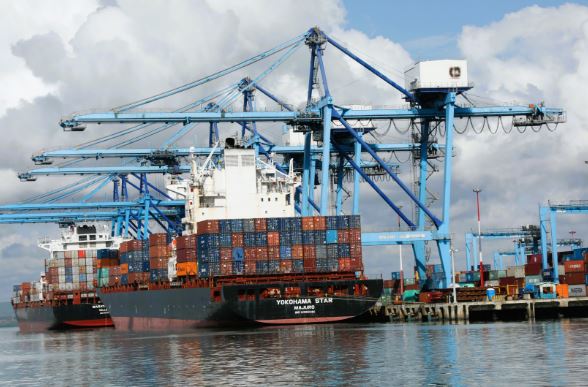
Mombasa Port registered an impressive port throughput, with containerised cargo
reaching more than two million. This is despite challenges, including Red Sea
disruption and economic inflation in different regions globally.
What is not
spoken of, but probably whispered about and feared most, is the probability of
pests being brought into the country. Pest contamination is an unintended
consequence of international trade. Regrettably, the awareness of pests’ risks
and consequences is relatively low.
To keep pests out
of shipping containers, a multi-pronged approach of cleaning and inspection at
different ports is crucial for any visible pests, soil,
or other contaminants before packing. This
involves inspecting for visible pests, cleaning the containers’ interior and
exterior, and potentially employing fumigation or other treatments before and
after packing. It is not lost on the industry and informed stakeholders that more
than 182 million TEUs moved around the world last year, hence, no one single
entity or country can adequately mitigate the risks.
By
implementing the cleaning and inspecting measures, the spread of invasive pests
through international trade can be minimised, leading to faster cargo release
and reduced costs at the destination ports.
Further
limited or no information exists on the severity of the pest challenges but a
lot can be achieved silently if awareness is raised and preventive measures
adopted, not ignoring the need for risk-profiling.
History is
awash with examples of how destructive pests have entered countries through
imported goods or packaging, and wreaked devastation on native plant
species. It is said that the Great Potato Blight, which caused famine and
mass migration from Ireland in the 1840s, was caused by the import of the pest
responsible from Central America to Europe aboard sailing ships.
Several
countries have already taken unilateral action to protect their native plant
species against specific pests. The Australian government introduced new
requirements to protect against the introduction of the Khapra Beetle, a small
insect that could devastate the country’s cereal grain crop were it to become
established. The government requires the pre-treatment of containers
imported from listed countries and carrying specific cargoes.
New Zealand
has similar measures and controls to protect against different pests threatening
other countries. Canada and the US are concerned about threats to their forests
and their wheat crops; fire ants are a big threat to native species in
Japan.
In the 20th Century,
large numbers of trees in the US and Europe were lost to disease and pests
thought to have been unknowingly imported as international trade
spread.
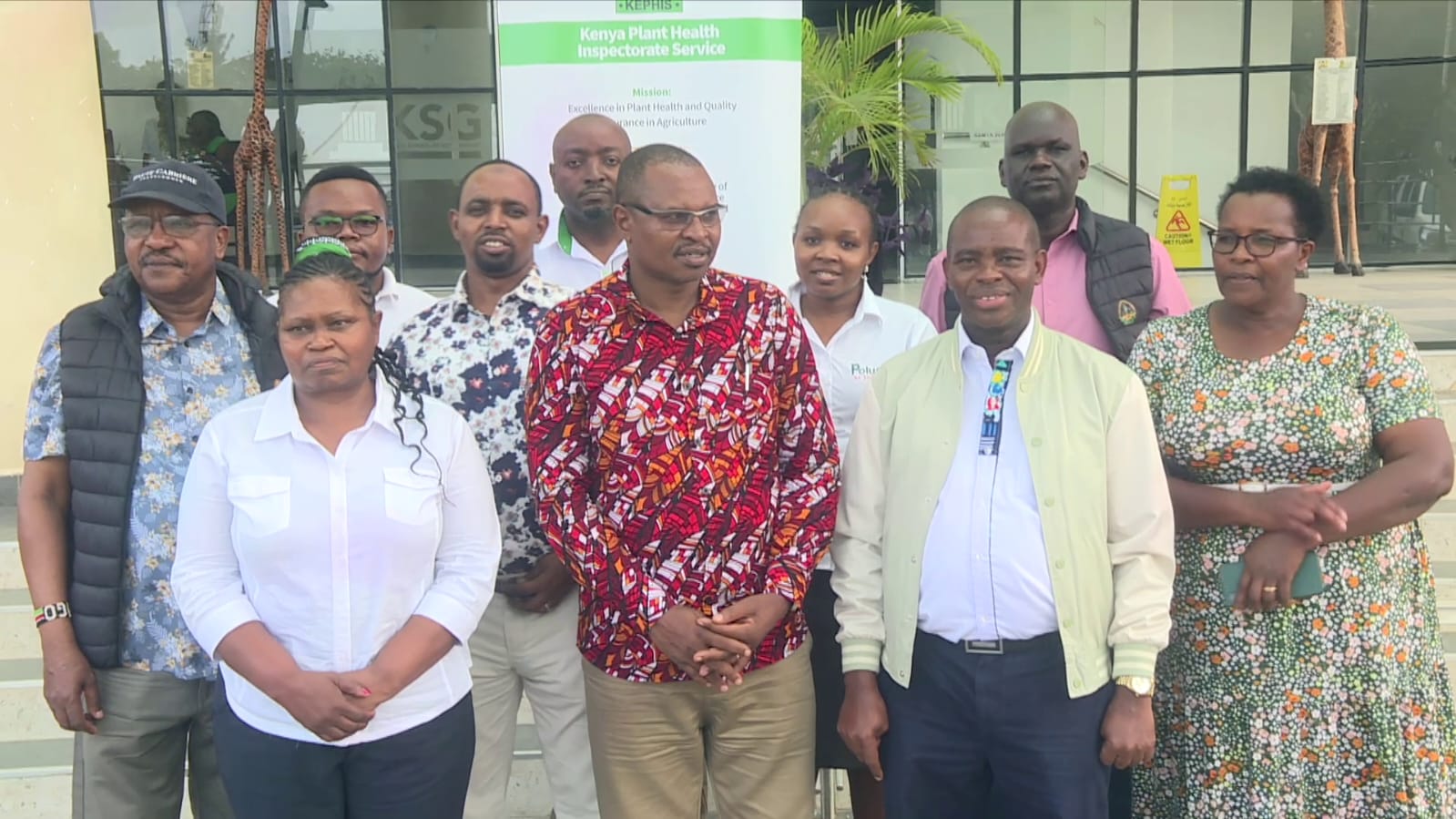
In Kenya, the Kenya Plant Health Inspectorate Service (Kephis),
a government parastatal, is responsible for assuring the quality of
agricultural inputs and produce. It has the strategic objective of mitigating
the risk of introduction and spread of plant pests, enhancing early warning, emergency
response and management of pests.
Kephis draws its
mandate from legal framework: the Kephis Act of 2012, the Plant Protection Act
(Cap 324), the Export Act (Cap 319), Legal Notice 48 of 2009 and the
International Plant Protection Convention (IPPC) standards.
Since March
this year, it has implemented new regulations for cleaning and inspection of
shipping containers, both loaded and empty.
These
inspections aim to ensure containers meet cleanliness and suitability standards
to prevent the introduction and spread of pests and diseases. It charges an
inspection fee of Sh375 per containers and Sh2,000 for any vessel docking at
Lamu or Mombasa ports. Some shipping lines are taking advantage and charging
shippers $10-$25.
A number of
concerns arise from this intervention, including whether Kephis has the
capacity to undertake the inspections and how the targeting and sampling of
containers will be handled in the absence of risk-profiling.
Fears abound
that targeting the containers at the Port of Mombasa and or at the border entry
points could cause delays and increased costs and that the sampling may not
adequately mitigate the dangers. An additional concern is duplication of
charges being imposed on shippers, considering they already pay cleaning
charges to shipping lines, bear the resultant costs implications and the fear
of causing delays and congestion.
The Maritime
News-Shipping-The Global Shippers Forum (GSF) has been monitoring and
influencing these developments since 2018 when it was invited to join an UN’s
International Plant Protection Convention (IPPC) taskforce set up to examine
the threat to plant health posed by pest-contaminated containers and cargoes.
That taskforce
reported at the end of 2021 and set out a range of regulatory options for its
parent body, the Commission for Phytosanitary Measures to
consider. Crucially, it also warned that implementation of new mandatory
requirements could impose significant new costs and risks to the fluidity of
the international movement of containers and further disrupt world trade. GSF
was clear in its opposition to new rules applying indiscriminately to every
container shipment, urging that controls and resources instead target high-risk
trade corridors and specific pest threats.
Legislation
alone cannot address the dangers of pests entering countries. Shippers and
shipping lines can be in the forefront by taking simple measures. Cargo owners should
ensure care in how they pack into the containers, how the containers are stored
and also ensure containers are cleaned before shipping at the cost of the exporter
and/or importer. The efforts of shippers to avoid contamination during packing
will be wasted if the empty containers supplied to them are already infested,
or dispatched containers are stored under the wrong conditions awaiting
shipment. Container cleanliness is an industry-wide issue and responsibility.
Luckily, in
Kenya for many years shipping lines have been charging for container cleaning
and thus are expected to ensure the containers are cleaned before being
expatriated to other ports.
Shippers should
further take responsibility by checking that containers are cleaned before
packing and shipping lines should validate that the containers’ risks of
carrying pests are mitigated when loading for shipment. This must be done at
the country of origin and port of loading and not at the port of destination as
envisaged by Kephis.
Given the important
role Kephis plays, the government must ensure adequate funding for this
institution and impress upon Kephis the need to work with similar institution
under the IPPC. This should make it mandatory for container cleaning at the
country of origin. For its part, Kephis should ensure export containers are
cleaned and meet the requirements of the countries of destination.
Kephis must
ensure safety by demanding containers be inspected at countries of origin.
Canada, the US and a number of European countries already require exporters to
ensure container cleanliness and meet the requisite standards before being
allowed into the countries. These countries also require exporters to engage
appropriate stakeholders for appropriate, effective and efficient mechanisms to
address the identified challenges.
Kephis must be
supported through the Exchequer to protect our country.
AGAYO OGAMBI is
CEO, Shippers Council of Eastern Africa, chairman, Mombasa Port and Northern
Corridor Community Charter [email protected]










![[PHOTOS] Raila Odinga Stadium construction enters home stretch](https://cdn.radioafrica.digital/image/2026/06/45f6990c-4882-4cd2-b83c-8fc730dcdce5.jpg)
![[PHOTOS] Calm prevails in Kisumu, Homa Bay](https://cdn.radioafrica.digital/image/2026/06/dff8923b-c99a-4f40-a4be-cc996653e4e0.jpg)