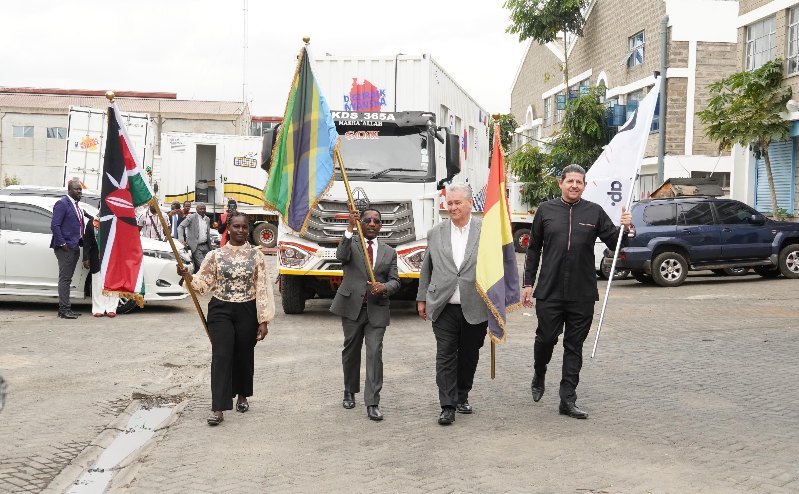
Diplomats and education stakeholders gathered in Machakos on Friday to witness the beginning of a cross-border journey by DigiTrucks to change the lives of students in underprivileged areas.
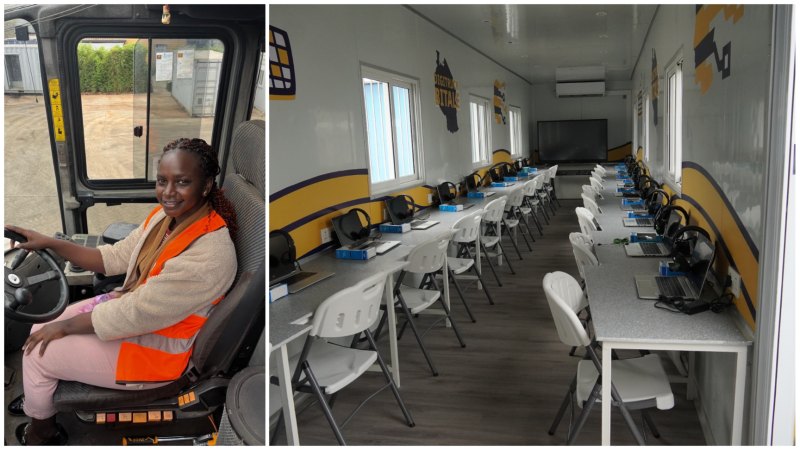
Guests took in the ‘flavour’ of an industrial area as loud vrooms of trailers rent the air, but all eyes were on three white ones parked around the venue, with shipping containers repurposed into mobile digital labs.
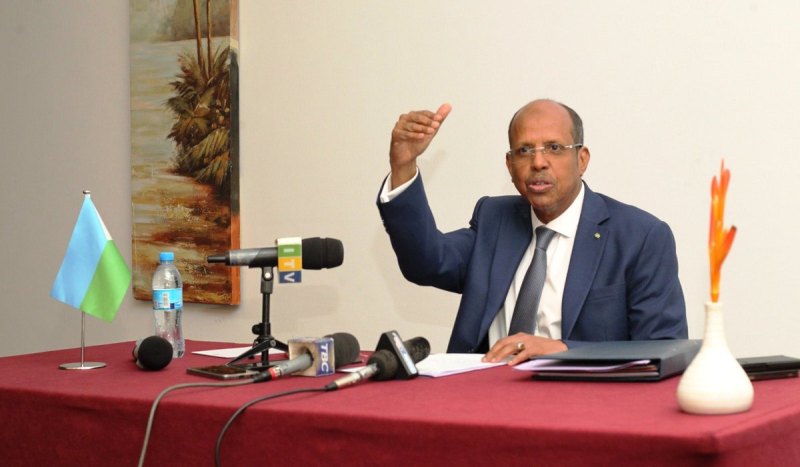
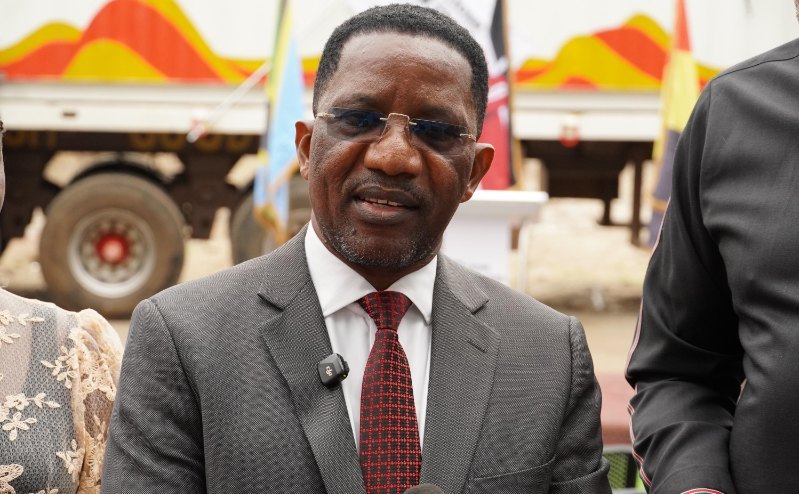
Tanzanian High Commissioner Dr Bernard Kibesse thanked the Belgian government, represented by Ambassador Peter Maddens, for supporting the project, and Kenya for facilitating their deployment to rural schools in his country.
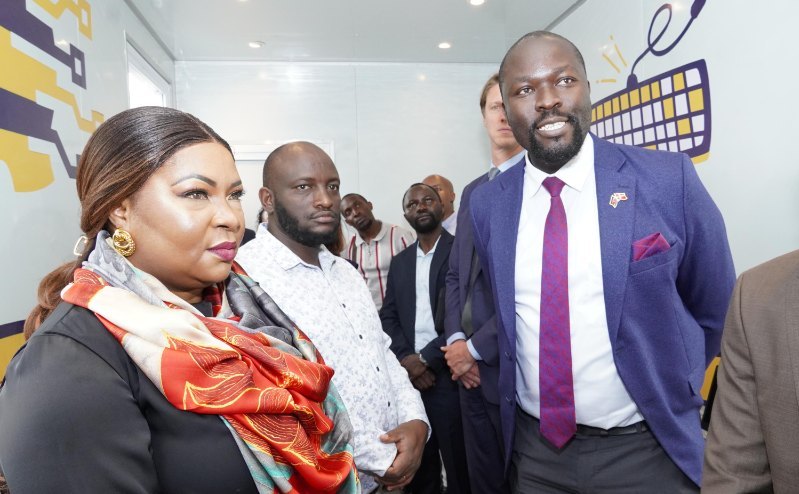
Project coordinator Esther Mwongeli later led a tour through one of the trucks, before joining the envoys and Close the Gap CEO Olivier Eynde in flagging them off.
GLOBAL INITIATIVE
The DigiTrucks are under the auspices of the European Union through its Global Gateway initative. This is a strategy to invest in sustainable and trusted connections that work for people and the planet. It focuses on boosting smart, clean and secure links in areas like digital, energy and transport, while also strengthening health, education and research systems.
The project is being implemented through the Belgian government, whose development agency Enabel was the contracting authority and primary funding partner.
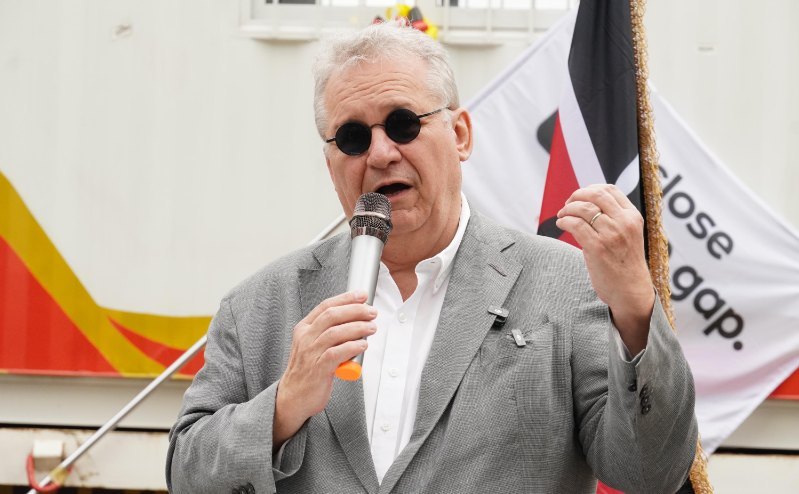
“Technically, it could have been awarded to any other digital inclusion partner that would not necessarily have been in Kenya,” Eynde said.
“So we’re very proud that Close the Gap was granted this major contract.”
The trucks were fabricated by Almar Containers East Africa. Other partners include Huawei and local organisations, such as Computers for Schools Kenya.
WIDENING REACH
As one of the most prominent and long-standing deployments of the project, the Kenyan DigiTruck has achieved substantial milestones.
The solar-powered mobile classroom has toured 39 out of 47 counties in Kenya, delivering more than 151,000 hours of structured digital skills training to bridge the urban-rural digital divide.
Nearly 7,500 people have been trained, including youth, women and smallholder farmers.
Globally, more than
48,799 people have been trained across more than 10 countries, including DR
Congo, France, Kenya, Senegal, Sierra Leone, South Africa, Tanzania and Zambia.
“These mobile labs serve as a powerful tool to bridge the digital divide and provide the vulnerable populations with essential skills for the modern labour market,” Eynde said.
Tom Jalio is the features editor of the Star and producer of the ‘Jalio Tales’ YouTube channel