You might have handed down one thing, sold another at a throwaway price, or literally thrown away what nobody would touch even if for free. Chances are they ended up at a landfill somewhere.
Like many people, I found myself accumulating devices that had long outlived their usefulness. And then one day a writer sent me a story about a local company collecting ‘waste electronic and electrical equipment’, a phrase that informed its title, ‘Weee’. And that’s how I found a place for a printer whose cartridges were no longer in the market.
I’ve learned many things from being a features editor and receiving all kinds of submissions, but that one stayed with me for providing a practical solution to a silent disaster.
Because, as technology seeps into every aspect of our lives and manufacturers issue new releases every year, a mountain of electronic waste is piling up. When it’s not necessity, it’s consumerism driving people to upgrade without a second thought for what becomes of their old gadgets.
The problem is worsened by a lacuna of policies on e-waste management, especially in the developing world. Kenya is only now coming up with regulations.
INVESTING IN THE FUTURE
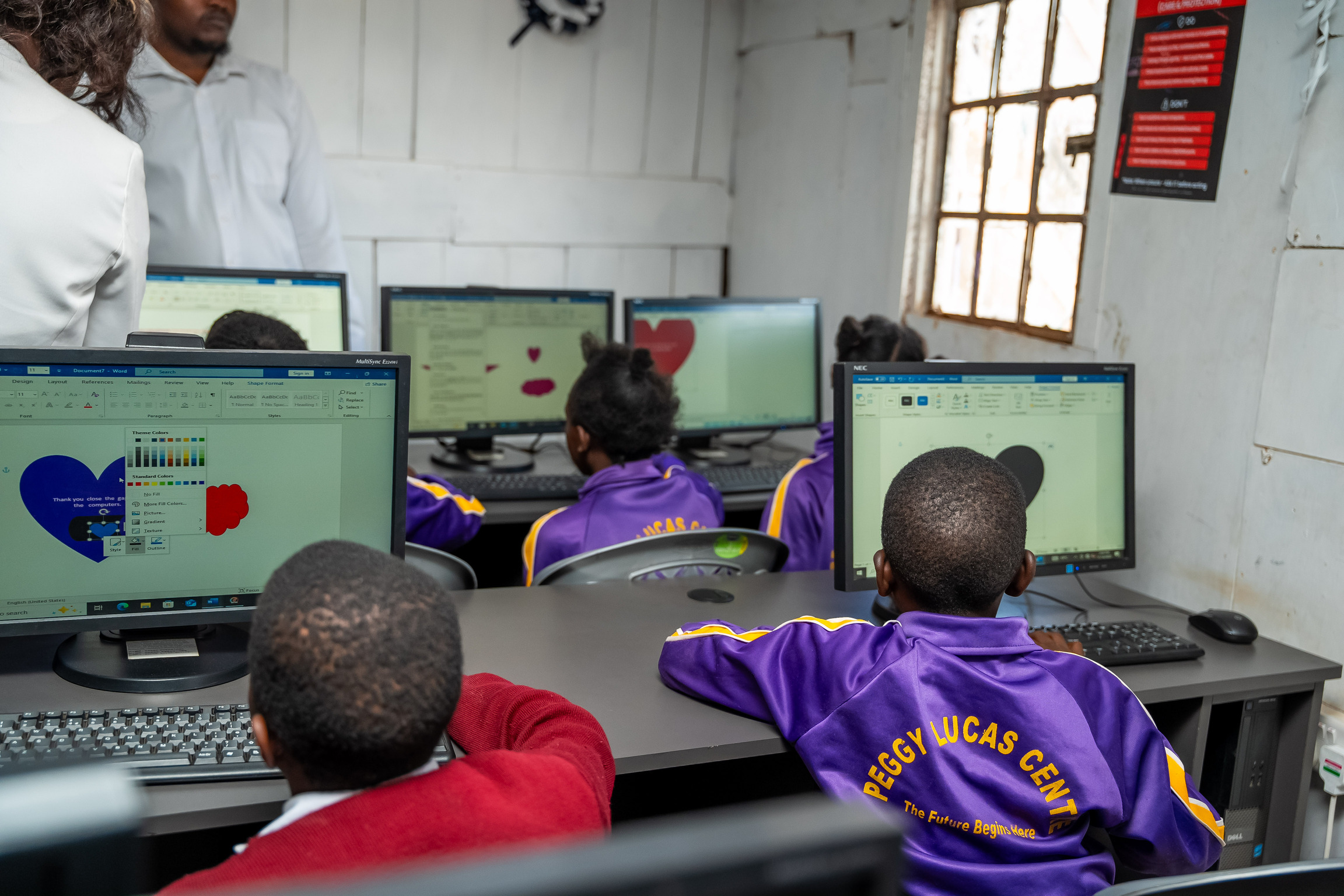
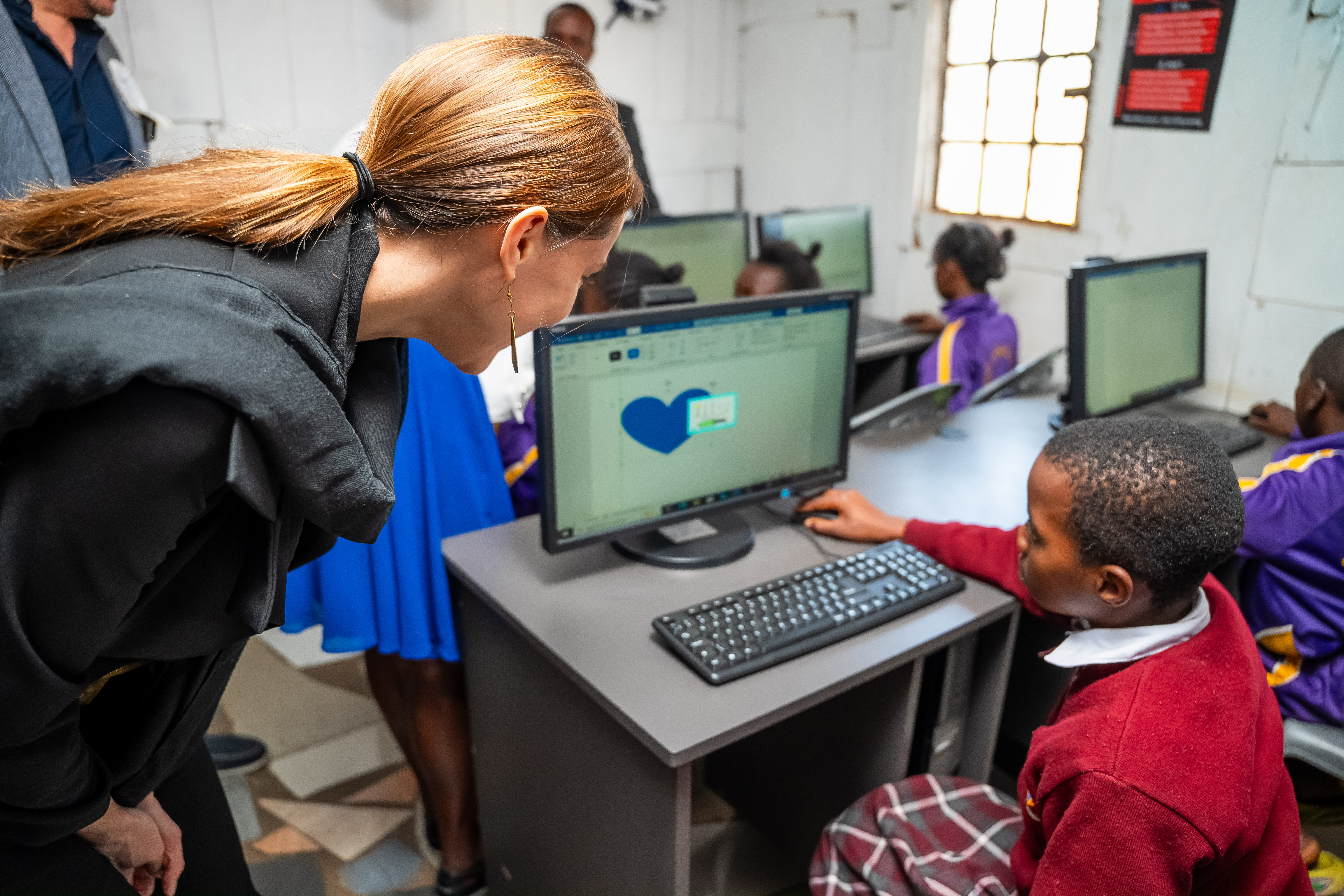
So when I heard of a Belgian company donating refurbished computers to a school in Kibera, it piqued my interest. They were killing two birds with one stone: taking electronic waste out of the environment and giving it a new lease of life.
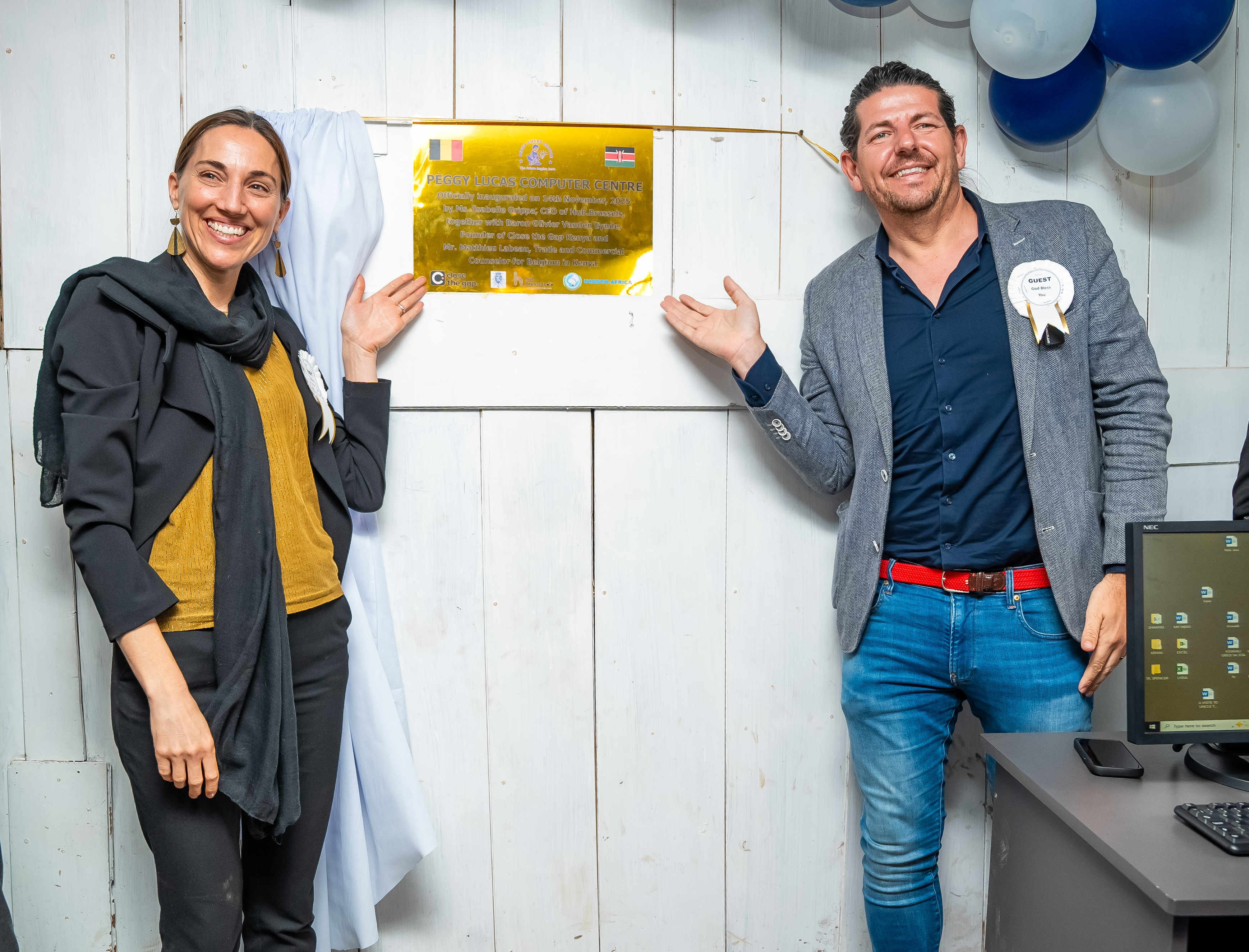
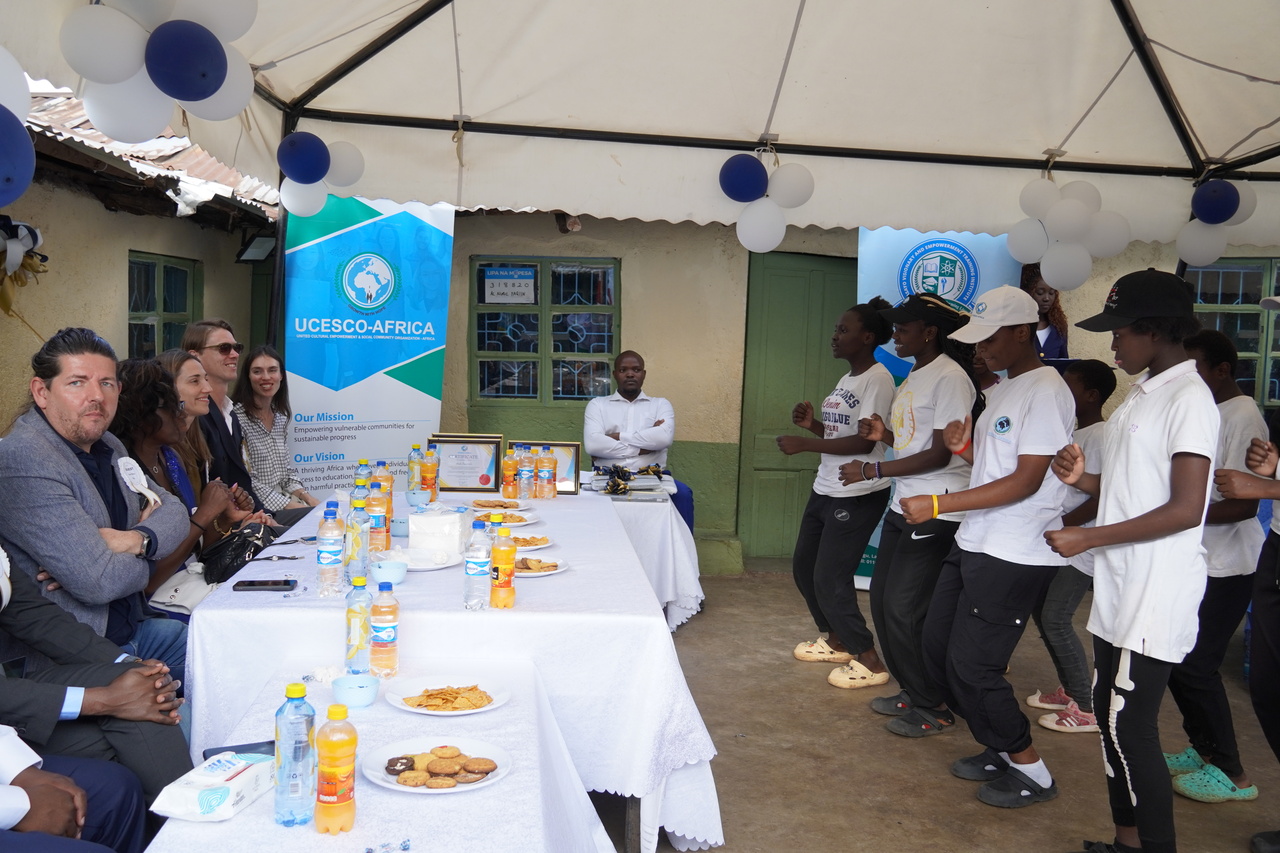
Close the Gap was the company’s name and Baron Olivier Eynde its founder. And last Friday he was on site, inaugurating a computer lab at Peggy Lucas Centre, undaunted by its setting in a slum.
“I think this project is a symbol of showing that even in complex areas, you can make magic happen,” he said. “And that these are inspirational projects that can inspire other projects.”
The project was realised with the support of Hub.Brussels and the Belgian Economic Mission.
Hub.Brussels CEO Isabelle Grippa said digital inclusion is a global issue.
“It’s the kind of issue we have to work on because it’s the gap of tomorrow,” she said.
“And the best way to invest in the future is to bring kids digital technologies to they can manage the future better than us.”
Belgian Embassy trade counsellor Matthieu Labeau termed the project “very close to our hearts”.
“We’ve been working with this school for a couple of years with lots of engagement thanks to a couple of champions and ambassadors that make the connection with Close the Gap,” he said.
“I hope that Close the Gap will push further and build more classrooms but also that other companies will replicate this model.”
The comp lab is one of 10 innovation hubs Close the Gap plans to establish in Kibera in conjunction with an NGO called Ucesco: United Cultural Empowerment and Social Community Organisation.
Ucesco Africa CEO Kingsley Nyandika foresaw the initiative scaling beyond Kibera.
“I’m hoping this seed we have planted here in Kibera is an opportunity for the whole community of this slum and also for all counties of Kenya,” he said.
EMPOWERING YOUTH
Close the Gap works with local partners like Weee (Waste electrical and electronic equipment) and recently launched a new upcycling factory in Nairobi.
“Nairobi by far is the Silicon Savannah, where the number of devices are huge, the innovation that companies have here is state-of-the art and so the needs of circular economy, of replacing their IT devices, is by far the largest of the East African community.”
But the company’s mission goes beyond upcyling e-waste. It’s also big on empowering people.
“Access to affordable devices can help people to create dignified jobs for themselves. They can use the instruments of this technical device — connectivity, software, training and coaching — to basically become self-employed,” Eynde said.
Close the Gap has given a lot of support to Micro, Small and Medium-sized Enterprises (MSMEs).
“We also have an incubator and an accelerator, where young people can come with an idea on a certain challenge, a disruption that they’ve noticed in their ecosystem, in their livelihoods,” he said.
“And then together with professional Kenyan coaches, we will help to create a minimum viable project and also give access to seed capital between $5,000 and $50,000 (Sh650,000 and Sh6.5 million) per start-up.”
So far, out of 250 start-ups in their incubator, 25 have been identified investor-ready, in which they have invested more than $500,000 (Sh65 million).
And these are self-sustaining ecosystems; they are not creating a dependency with a donor. They are fully-fledged Kenyan entrepreneurships. They are growing people, improving their livelihoods and doing it in a commercially sustainable way.
“That is the largest impact of Close the Gap, of which I’m proud,” Eynde said.
***
Tom Jalio is the features editor of the Star and producer of the ‘Jalio Tales’ YouTube channel