As a cloud of uncertainty continued to hang on Thursday morning following the lapse of a 14-day ultimatum issued by Azimio leader Raila Odinga, security officers remained on high alert.
From Wednesday, police mounted roadblocks on key roads leading to Statehouse in the capitals of Nairobi and Kisumu in anticipation of possible demonstrations that could climax in a sit-in.
But, as this happened, President William Ruto remained unshaken at all-portraying a man who is not ready to cede his grounds.
Ruto views these as intimidations to have him soften his stance and agree to a ‘handshake’ which he has strongly opposed.
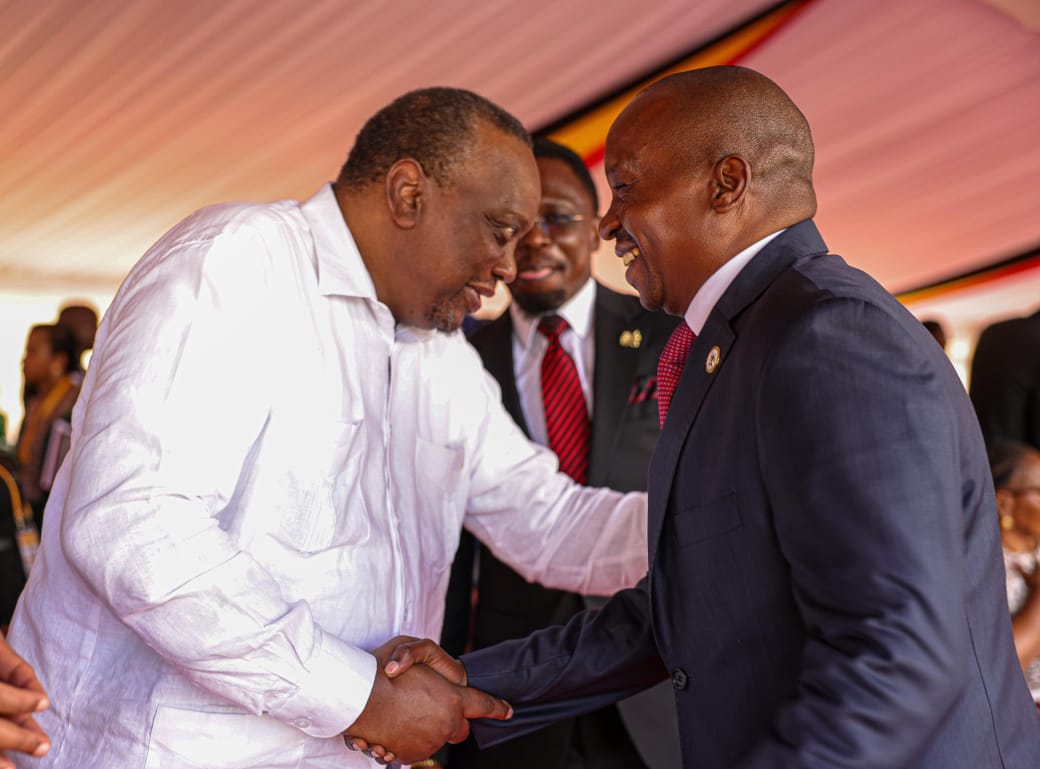
The Handshake between retired president Uhuru Kenyatta and Raila was borne out of the political tensions stoked in the country in 2018 following the disputed presidential general election.
But, Ruto has maintained he won fairly and that the government is not going to be blackmailed to serve the interests of a few people and their families.
“Watu wawache mambo ya kutisha watu wengine. I want to tell our friends that, that is the height of impunity, it is the slave master mentality,” Ruto has been quoted saying.
During a separate event he said, “Hii maadamano yote wanafanya hawafanyi ju ya wananchi, wanafanya juu ya ubinafsi, familia zao na biashara zao.”
And, even as the clock ticks towards March 20 which Raila has set as the new date for the ‘mother’ of all demonstrations in the capital, political analysts view Ruto as firm and not likely to bend any soon.
Raila, according to the pundits, is known to consistently employ a slew of tactics to achieve his desire to shift power from the center “but may not be lucky this round” claims he (Raila) has since dismissed arguing he is not interested in any handshake.
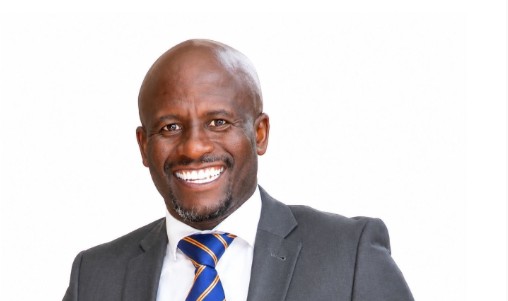
“After a stinging loss at the elections, he has now cast doubt at the outcome of the poll but only as far as the presidential poll is concerned,” says Godfrey Sang.
The revelation by an IEBC whistle-blower about the alleged rigging of the election has even enabled him the ODM boss to cast a cloud over the legitimacy of the Ruto presidency.
Raila’s mass action is due to the failure of Ruto's government to open the IEBC servers opened, lower the cost of living and halt the recruitment process of IEBC commissioners among a plethora of issues he says Kenya is currently facing.
The move, while perturbing the common mwananchi, is not giving Ruto sleepless nights since he knows Kenya is a highly fractured society with people divided sharply along ethnic, socio-economic, religious and regional lines.
“Interests along these lines are too complicated to coalesce around the concept of mass action. It is extremely difficult to raise the national anger levels to the point of storming the Bastille,” Sang observes.
The Arab spring, he notes, thrived largely due to the ethnoreligious homogeneity of the affected nations.
Before the elections of 2022, Raila Odinga and his followers intensified their war against Ruto, hoping to create the necessary wind force to blow away his candidacy but failed despite massive state support for their course.
The analyst now argues that should Raila fail to oust Ruto through mass action, he will have created a more formidable president, just like his failed putsch in 1982, with the late President Moi.
“The kite rises against the wind, not with it, and it seems Raila has never learnt from his mistakes. That is the other side of the coin,” he says.