For the past two
years, Kenyans, predominantly young people, have taken to the streets across the
country every June 25. What began as the first Gen Z-led nationwide protests
demanding good governance and accountability has evolved into a day of
remembrance for victims of police brutality, extrajudicial killings and
enforced disappearances.
This year’s commemoration, however, almost did not take place. Police mounted roadblocks and restricted access to major roads leading into central business districts in several cities. In Githurai, where a heavy police presence was recorded, concerns were raised over tactics that appeared to undermine transparency in policing.
Despite constitutional requirements and a High Court ruling that officers engaged in crowd control should be clearly identifiable, some officers were reportedly deployed in plain clothes and balaclavas. Such concealment risks weakening accountability by making it difficult to identify individuals in the event of misconduct against peaceful protesters.
For the first time in two years, the Missing Voices Coalition did not record any deaths resulting from police excesses during the June 25 commemoration, an encouraging indication of progress in protest policing and respect for the right to life. However, the Coalition documented several verifiable cases of enforced disappearances, bringing the total number of people allegedly disappeared by security actors in June alone to 11.
Enforced disappearances have increasingly become a stain on the country’s human rights record. Between 2023 and 2026, the Missing Voices Coalition has documented 86 such cases.
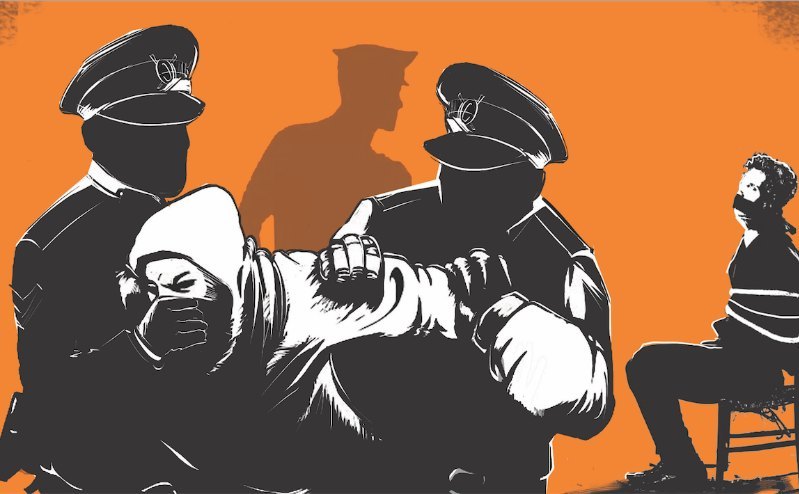
A recurring pattern has emerged, individuals are often taken by officers in unmarked vehicles, dressed in plain clothes and with their identities concealed. Efforts to obtain accountability from the National Police Service have frequently been met with denial of involvement, leaving families and the public with a persistent and painful question, who is abducting and disappearing citizens?
In doing so, has the security apparatus abdicated its constitutional duty to protect all, and more urgently, are Kenyans truly safe?
In recent weeks, the disappearances of Fredrick Ojiro, Collins Otieno, Muteti Mulinge, Elisha Alam, Michael Ngigi, Christine Lubanga and Davis Lichuma have captured national attention, deepening fear and uncertainty over the fate of those taken.
While six of the individuals were later found alive, dumped and allegedly tortured before being rushed for medical attention, the case of Davis Lichuma particularly shocked the country.
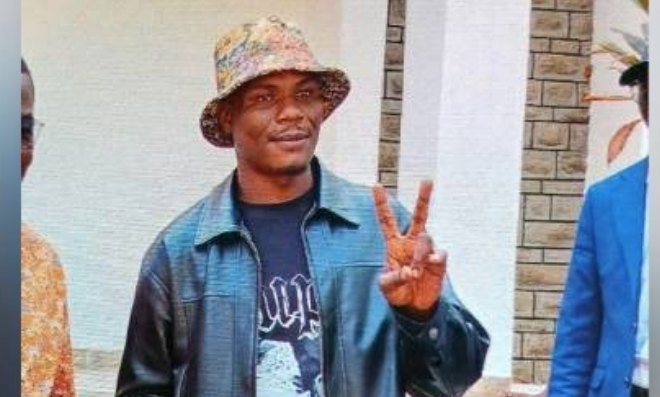
A Mathare-based human rights defender, Lichuma has become emblematic of the growing concerns over the treatment of dissenters. He was eventually found critically injured, stripped and dumped near Kenyatta National Hospital, where he initially received treatment before being relocated to a different facility.
These developments underscore, with renewed urgency, the need for the National Assembly to enact specific legislation on enforced disappearances or amend existing laws to explicitly criminalise the practice. Such a framework must also provide clear pathways for justice, accountability, and reparations for victims and their families.
An enforced disappearance occurs when individuals are arrested, detained, abducted, or otherwise deprived of liberty by state agents or persons acting with state authorisation, support or acquiescence, followed by a refusal to acknowledge the deprivation of liberty or concealment of the person’s fate or whereabouts. This places the victim outside the protection of the law.
Kenya has yet to ratify the International Convention for the Protection of All Persons from Enforced Disappearance. The very existence of this convention reflects a global recognition that enforced disappearances are not isolated incidents, but a grave human rights violation that persists in many contexts. Its purpose is clear: to prevent such abuses, ensure accountability and guarantee that those responsible are brought to justice.
Ultimately, the persistence of enforced disappearances in Kenya represents more than a legal gap; it is a crisis of trust between citizens and the state. No democracy can claim legitimacy where individuals can be taken without a trace and families left in perpetual uncertainty.
Until every disappearance is thoroughly investigated, every perpetrator held to account and every victim’s dignity restored, the promise of constitutional protection will remain incomplete, and the question of safety will continue to haunt ordinary Kenyans.
Journalist, human rights defender and National Coordinator of the Missing Voices Coalition