When a disease outbreak strikes, the true measure of a partnership is what arrives on the ground—in the form of medicines, vaccines and solidarity.
By that measure, India's relationship with Africa in the arena of public health stands as one of the most consequential of our times.
From the devastating Ebola epidemics that have periodically swept across Central and West Africa to the COVID-19 pandemic that tested the entire world, India has consistently stepped forward as a reliable partner.
This is a story of shared humanity, South-South solidarity and a mutual recognition that no nation's health is secure while disease runs unchecked anywhere on the globe.
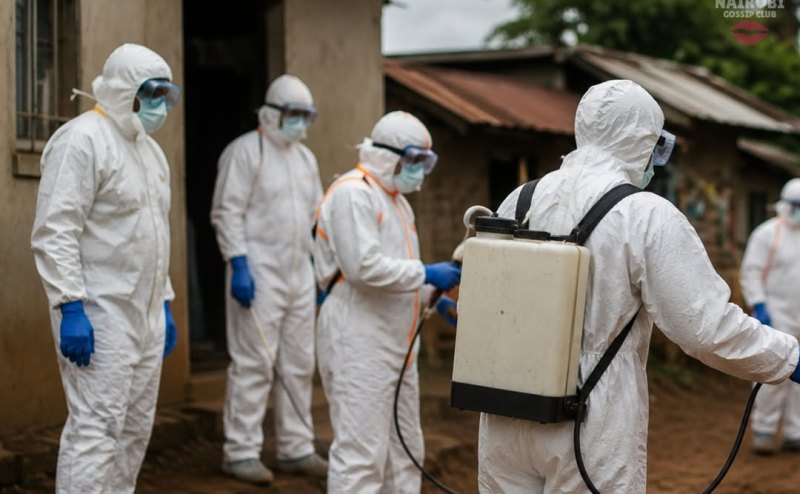
Ebola virus disease remains one of the most feared pathogens known to humanity. The 2014-2016 West Africa epidemic infected more than 28,600 people and claimed over 11,300 lives across Guinea, Liberia and Sierra Leone.
The outbreak exposed the fragility of health systems that had been chronically underfunded, understaffed and overwhelmed.
The 2018-2020 Kivu epidemic in the Democratic Republic of Congo claimed thousands more lives in a conflict zone where humanitarian access was routinely blocked.
These were not merely African tragedies; they were global warnings. They demonstrated that a pathogen emerging in a remote region can, within weeks, threaten the entire world. Epidemic preparedness, the world learned, is a collective responsibility.
In May 2026, the DRC and Uganda found themselves at the epicentre of a new and particularly alarming Ebola outbreak caused by the Bundibugyo strain, for which no licensed vaccine existed.
The World Health Organisation declared it a Public Health Emergency of International Concern on 17 May 2026, while Africa CDC designated it a Public Health Emergency of Continental Security days later.
India's response was swift and substantial. Within days of receiving a request from the African Union Commission, India dispatched an initial tranche of approximately 2.5 tonnes of emergency medical supplies to Kampala, Uganda.
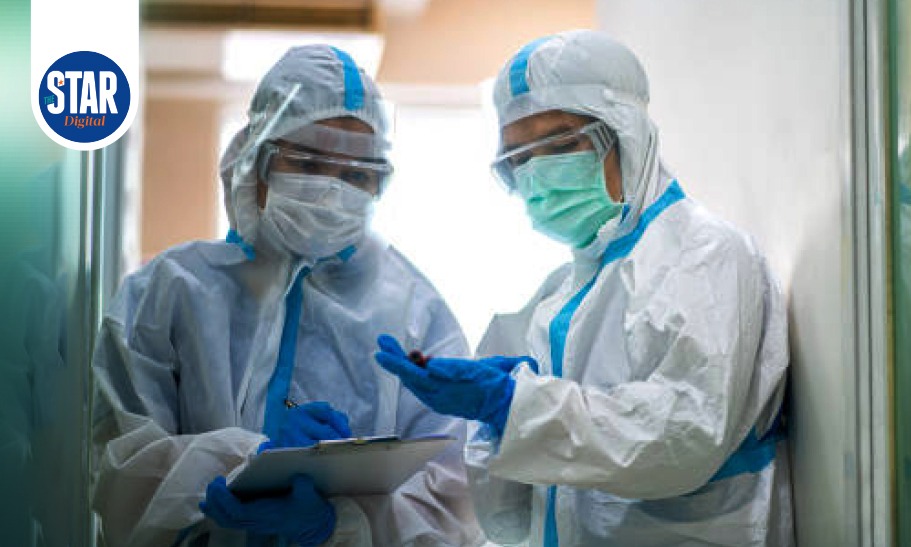
These included protective gear, medical monitoring equipment, essential medicines and nutritional supplements, the precise tools that frontline health workers needed to protect themselves and their patients.
Following a more detailed assessment of Africa CDC's requirements, New Delhi mobilised a far larger second tranche of 43 tonnes comprising protective gear, diagnostic devices, infection prevention supplies, medicines and other critical materials.
India's High Commissions in Addis Ababa and Kampala also maintained active engagement with the African Union Commission and Africa CDC, ensuring that assistance was timely, coordinated and aligned with Africa-led response strategies rather than imposed from outside.
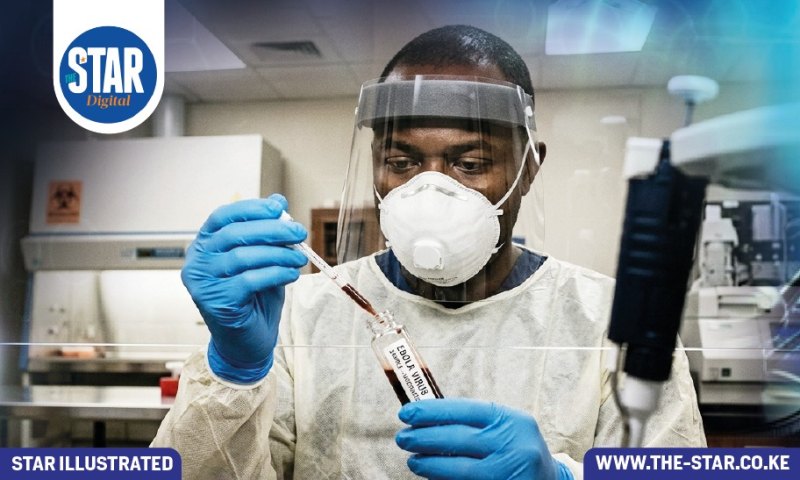
Perhaps the most consequential dimension of India's contribution, however, lies in science. With no licensed vaccine available for the Bundibugyo strain, the world required not merely immediate relief but a long-term solution.
The Coalition for Epidemic Preparedness Innovations, in partnership with Oxford University, activated the ChAdOx1 vaccine platform to develop a candidate targeting the virus. The Serum Institute of India, the world's largest vaccine manufacturer by volume, was selected as the manufacturing partner.
The Serum Institute's selection reflects years of investment in scientific capability and manufacturing infrastructure, as well as a global reputation earned during the COVID-19 pandemic for delivering high-quality vaccines at scale and at affordable prices.
To fully appreciate India's role in Africa's health security, one must look back at the COVID-19 pandemic. When the first vaccines were approved in late 2020, the challenge was not only scientific but logistical and political.
How would low- and middle-income countries gain access to doses in a world where wealthy nations had pre-purchased most of the available supply?
Through its "Vaccine Maitri" initiative, India began exporting COVID-19 vaccines just days after launching its own domestic vaccination programme. By February 2022, it had exported approximately 162.9 million doses to 96 countries, including 14.3 million free doses.
Africa was a major beneficiary. India committed 10 million doses specifically for African nations through the COVAX facility, while the Serum Institute became the backbone of COVAX's early vaccine supply.
Although India temporarily paused exports in March 2021 as it battled a devastating second wave at home, it resumed shipments later that year with urgency.
Throughout the pandemic, the Serum Institute also maintained supplies of non-COVID vaccines for diseases such as polio, measles and pneumococcal disease. India also demonstrated that a developing country can be a global health leader.
Notably, India's health engagement with Africa predates both COVID-19 and Ebola. For decades, India has been described as the "pharmacy of the Global South," supplying affordable generic medicines that have transformed treatment for HIV/AIDS, tuberculosis and malaria and saved millions of lives across the continent.
When African health workers needed training and telemedicine, Indian institutions provided it.
The current Ebola crisis has highlighted both the depth of India-Africa health cooperation and the work that remains. Analysts have recommended for the creation of an India-Africa Health Innovation Network, stronger regulatory cooperation and greater technology transfer so that Africa can manufacture more of what it needs at home.
India's pharmaceutical industry already has deep roots across Africa; the next step is to ensure that those roots grow into local trees.