What does it say about a democracy when citizens gathering to discuss their national budget are met with intimidation? In last week's article, we highlighted public participation as a constitutional safeguard that gives practical expression to popular sovereignty.
The events at All Saints Cathedral in Nairobi on June 12 told a
different story. While this right is increasingly affirmed in official discourse,
citizens exercising it appear to face hostility.
A day after National Treasury Cabinet Secretary John Mbadi presented the 2026-27 budget to Parliament, the Kenya Human Rights Commission, alongside civil society organisations, faith-based institutions, economists and concerned citizens, convened a public forum to examine whether public submissions had been reflected in the final budget estimates. Shortly after the forum began, more than 30 state-hired goons stormed the venue, disrupting the meeting and threatening participants.
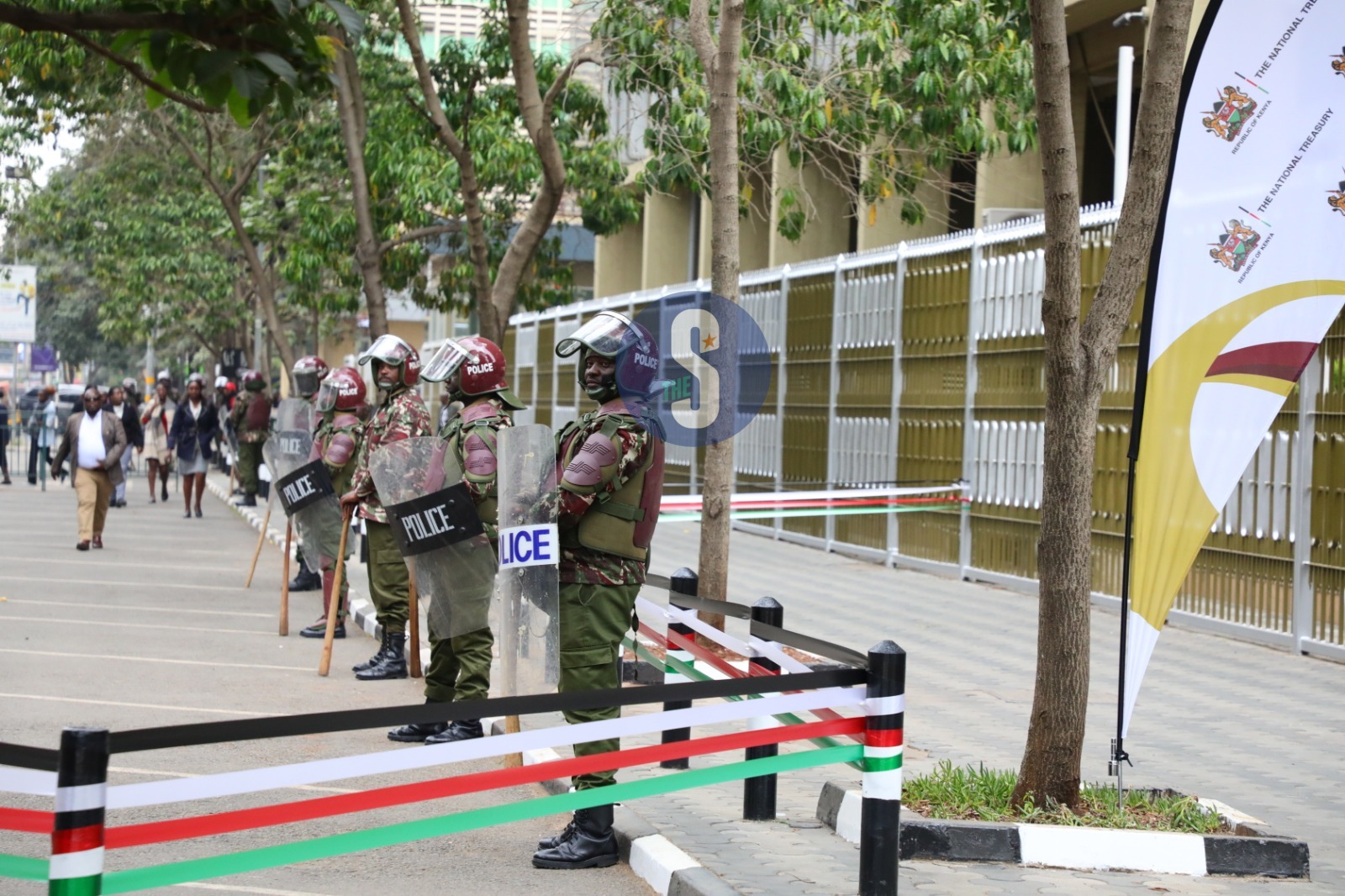
Police officers eventually restored order and reportedly arrested one suspect. However, uncertainty has since emerged regarding where the suspect was booked and under whose custody he remains. If an arrest was indeed made, transparency demands clarity about what followed. Public confidence in the rule of law depends on arrests being made and on clear, consistent and impartial enforcement of the law.
The incident has rightly attracted condemnation from faith-based organisations, civil society coalitions, human rights defenders and professional agencies. Viewed in isolation, the disruption at All Saints Cathedral might appear to be an unfortunate incident.
However, considered alongside similar events in recent years, it points to a worrying trend where we have a growing normalisation of politically motivated violence carried out by unidentified groups.
Opposition leaders have faced disruptions, journalists have reported intimidation and human rights defenders have been targeted. That such conduct has extended into places of worship suggests that few public forums remain immune, and this should concern every Kenyan.
The exercise of constitutional freedom should not be perceived as a threat by those entrusted with public authority. If citizens were genuinely heard during the budget process, why should post-budget dialogue provoke hostility? If sovereignty belongs to the people, why should civic engagement attract intimidation? If public views were considered, why fear scrutiny?
Taxpayers finance
public institutions, fund the national budget and elect their leaders. But those
same citizens encounter resistance and no accountability when they seek
explanations about how public resources are allocated and public decisions are
made.
The constitution envisages a very different relationship between the state and its citizens. Articles 1, 10, 118 and 201 collectively establish that public participation, transparency and accountability are binding constitutional obligations.
Participation is intended to shape decisions before policies are adopted and enable scrutiny thereafter. Citizens do not surrender their oversight role once a budget is presented to Parliament.
The incident at All Saints Cathedral will eventually pass from the headlines. The larger question it raises, however, is what kind of democracy Kenya aspires to be? One that treats public participation as a procedural requirement, or one that embraces an informed and engaged citizenry as an indispensable partner in governance?
The democratic space that Kenyans enjoy today was neither accidental nor easily won. It emerged through years of struggle by citizens, activists, faith leaders and reformers who insisted that public power must be subject to public accountability.
To allow fear and intimidation to shrink that space would risk eroding gains secured through considerable sacrifice. The answer to the question before us will shape not only the quality of our democracy, but also the public's trust in it.
Programme manager for Political Accountability in State Institutions at the Kenya Human
Rights Commission