As
the world marks World Elder Abuse Awareness Day today, Kenya is once again
confronted with an uncomfortable but urgent moral question: What kind of
society are we becoming if our older persons increasingly live in fear,
neglect, abandonment and indignity?
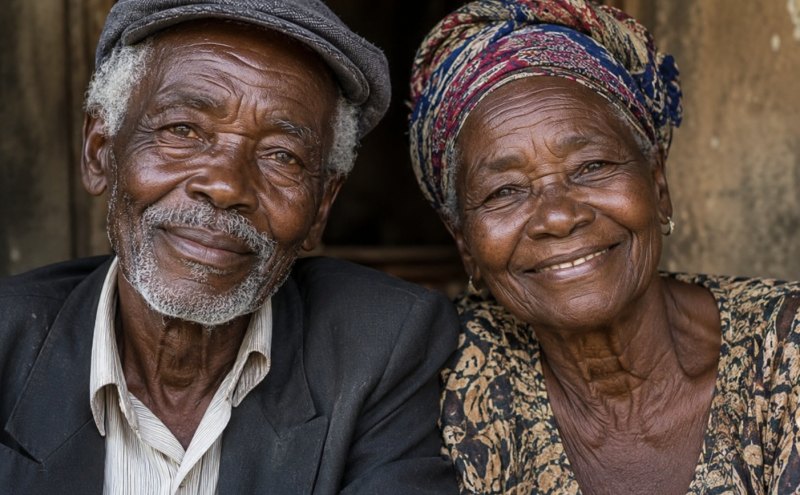
This year’s theme, “Beyond Awareness: Promoting Intergenerational Solidarity,” is both timely and deeply challenging. It calls upon us not merely to talk about elder abuse, but to confront the social, economic, cultural and moral realities that continue to expose older persons to violence and exclusion within the very communities that ought to protect them.
Across Kenya, and particularly in parts of the Coast region, stories of elderly persons being attacked, isolated, accused of witchcraft, dispossessed of property, or abandoned by their own families have become disturbingly common. In Kilifi county and neighbouring regions, elderly women and men continue to suffer violence rooted in fear, superstition, poverty and fractured social relations. These incidents rarely emerge in isolation. They are symptoms of deeper societal problems.
Traditionally, African societies held older persons in high esteem. Elders were custodians of wisdom, culture, morality and communal continuity. They were respected advisers whose presence symbolised stability and identity. Today however, rapid social transformation, urbanisation, economic hardship, migration, weakening family bonds and growing individualism have steadily eroded these traditional systems of care and respect.
As communities become increasingly fragmented, many older persons find themselves socially isolated and economically vulnerable. Some are viewed as burdens rather than repositories of wisdom and experience. In the process, ageism silently creeps into our homes, institutions and public discourse.
What is perhaps most tragic is that elder abuse often occurs behind closed doors. It manifests through neglect, emotional abuse, financial exploitation, denial of healthcare, abandonment and psychological humiliation. Many older persons suffer silently because of fear, dependency or lack of access to justice and support systems.
The issue of witchcraft accusations against elderly persons remains particularly disturbing. Such accusations are often directed at vulnerable older women, especially widows, who may already be socially isolated. These harmful beliefs not only violate human rights but also reflect a dangerous failure of community protection mechanisms and ethical leadership.
We must therefore move beyond merely condemning these acts after they occur. The country urgently needs preventive, community-based and intergenerational approaches that restore empathy, solidarity and shared responsibility.
The family remains the first line of protection for older persons. Yet many families themselves are under pressure from unemployment, economic strain and changing social values. We must therefore rebuild a culture of care and responsibility within households and communities. Respect for older persons should not be viewed as an outdated cultural expectation but as a measure of societal maturity and humanity.
Young people in particular have a central role to play. Intergenerational solidarity cannot be legislated into existence; it must be cultivated intentionally through dialogue, mentorship, mutual learning and community engagement. Older persons possess lived experiences, indigenous knowledge and social wisdom that younger generations desperately need in an era increasingly characterised by social alienation and moral uncertainty.
Universities, schools, religious institutions and the media also carry immense responsibility. Institutions of higher learning such as Pwani University can serve as critical spaces for research, advocacy, public dialogue and community engagement around ageing, dignity and social justice. Religious institutions must continue speaking firmly against violence, neglect and harmful cultural practices while reaffirming the sacredness of human dignity at every stage of life.
The media too must move beyond episodic reporting of gruesome incidents and instead sustain deeper public conversations around ageing, mental wellness, social protection and family cohesion. Elder abuse is not merely a criminal justice issue. It is fundamentally a social, cultural, psychological and moral crisis.
Government intervention remains equally critical. Existing social protection programmes for senior citizens have provided some relief, but much more needs to be done. Kenya requires stronger community care systems, improved access to healthcare for older persons, enhanced legal protection mechanisms and robust public awareness campaigns that challenge ageism and harmful stereotypes.
Importantly, we must stop treating older persons solely as passive recipients of care. They are citizens with rights, voices, agency and immense contributions to society. Protecting their dignity is not charity; it is justice.
As the country commemorates World Elder Abuse Awareness Day this year, we must collectively ask ourselves whether we are building communities that honour humanity or normalise abandonment. A society that cannot protect its elderly ultimately loses its moral compass.
Beyond awareness, Kenya must now choose solidarity. Beyond sympathy, we must embrace responsibility. Beyond policy statements, we must create communities where older persons can age safely, meaningfully and with dignity.
How
we treat our elders today will ultimately define the kind of society we become
tomorrow.
The writer is a lecturer at Pwani University