Kenya’s health system stands at a critical crossroads. On paper and from a policy perspective, it is one of the most progressive systems in the region, but when it comes to implementation, the realities of the common mwananchi are often overlooked. While the Constitution of Kenya provides for the right to public participation, there has been limited meaningful community engagement in health policy and budgeting processes. This poses a significant threat to achieving equitable healthcare for all.
Devolution was designed to bring decision-making closer to the people. In the health sector, it created opportunities for counties to respond to local priorities and established multiple community structures intended to strengthen community engagement. But devolution alone is not enough to guarantee meaningful participation of communities. This is because it is not just about proximity, participation, and presence; meaningful participation is about transparency, accountability, and building capacity for influence.
A mama mboga in Eldoret, a young person in Korogocho, or a pastoralist woman in Turkana should not only be invited to a meeting that sometimes has predetermined decisions, but they should be able to understand the meeting objectives and make contributions that influence budgets and policy priorities at local, national, regional, and even global levels. In addition, they should be involved in shaping those decisions from the beginning because participation without power is tokenism.
But this is not just Kenya’s problem; it is a regional and systemic problem. Across Africa, health financing conversations are often dominated by governments, donors, technical experts, and development partners, while communities remain on the margins, on the receiving end. Ironically, while 80% of Africa's health financing comes from domestic finance (out-of-pocket and government), and only 20% comes from aid and funding, African countries spend 80% of their time chasing the 20%. People who contribute the most to health financing through taxes and direct payments often have the least influence over how health resources are allocated and managed.
Kenya provides a clear example of this contradiction. Despite many years of health financing reforms, many households in Kenya continue to rely on out-of-pocket for finance healthcare, with only 15% of the population having a health insurance cover of any kind. Additionally, the shift from the National Hospital Insurance Fund (NHIF) to the Social Health Insurance Fund (SHIF) has brought a lot of confusion, with issues such as corruption and limited community awareness emerging. This situation is creating community mistrust, hindering the utilization of equitable healthcare.
Trust is a critical but often overlooked component of health financing. When communities do not trust institutions created by their government, they are less likely to enroll in them, comply with contribution requirements, or participate in accountability processes. To build trust with the common mwananchi, the government must move beyond awareness campaigns and commit to building health systems with and for communities. And the community has proven that they are capable; take the recent finance bill, for example: when their window for making submissions was short, Kenyan youth developed tools like memorandum builder and CEKA by civic education, tools aimed at promoting access and public participation.
Globally, the financing landscape is shifting, putting pressure on countries to sustain their health systems. Regionally, initiatives such as the Lusaka Agenda and the Accra Reset are reshaping conversations about Africa's role in global health financing. These frameworks call for greater country ownership, stronger domestic resource mobilization, and more accountable health systems that respond to local priorities. They represent an important shift from dependency towards self-determination. However, if Africa is to become a decision-maker in global health, these processes must be informed by the voices and experiences of the communities they are intended to serve.
The recently concluded 79th World Health Assembly reinforced this shift. As countries grappled with shrinking development assistance and growing pressure on domestic resources, discussions repeatedly emphasized country ownership, sustainable financing, stronger primary health care systems, and accountability. This moment is both a challenge and an opportunity for building sustainable health systems. It challenges African leaders to invest in self-reliant systems while creating an opportunity to rethink who sits at decision-making tables and whose voices shape health financing priorities.
For Kenya, centering community voices requires more than creating participation forums. It requires investing in civic education so that citizens understand health financing systems and their rights within them. It requires making budget processes, including public participation forums, accessible. It needs community structures of accountability that include community-led monitoring and a feedback mechanism. And most importantly, it requires strengthening pathways such as community-based organizations, community health promoters, and other structures through which community recommendations can influence decisions.
As Kenya moves forward, it can no longer depend on external aid to sustain its health systems; it must define its own priorities and rewrite its story. Universal healthcare coverage is not merely a technical or financial goal set by the government; it is about sovereignty; it's about people and community leadership. The future of Kenya’s health systems will not be solely determined by how much money has been mobilized. It will be determined by how the money was raised, allocated, and spent with and for communities.
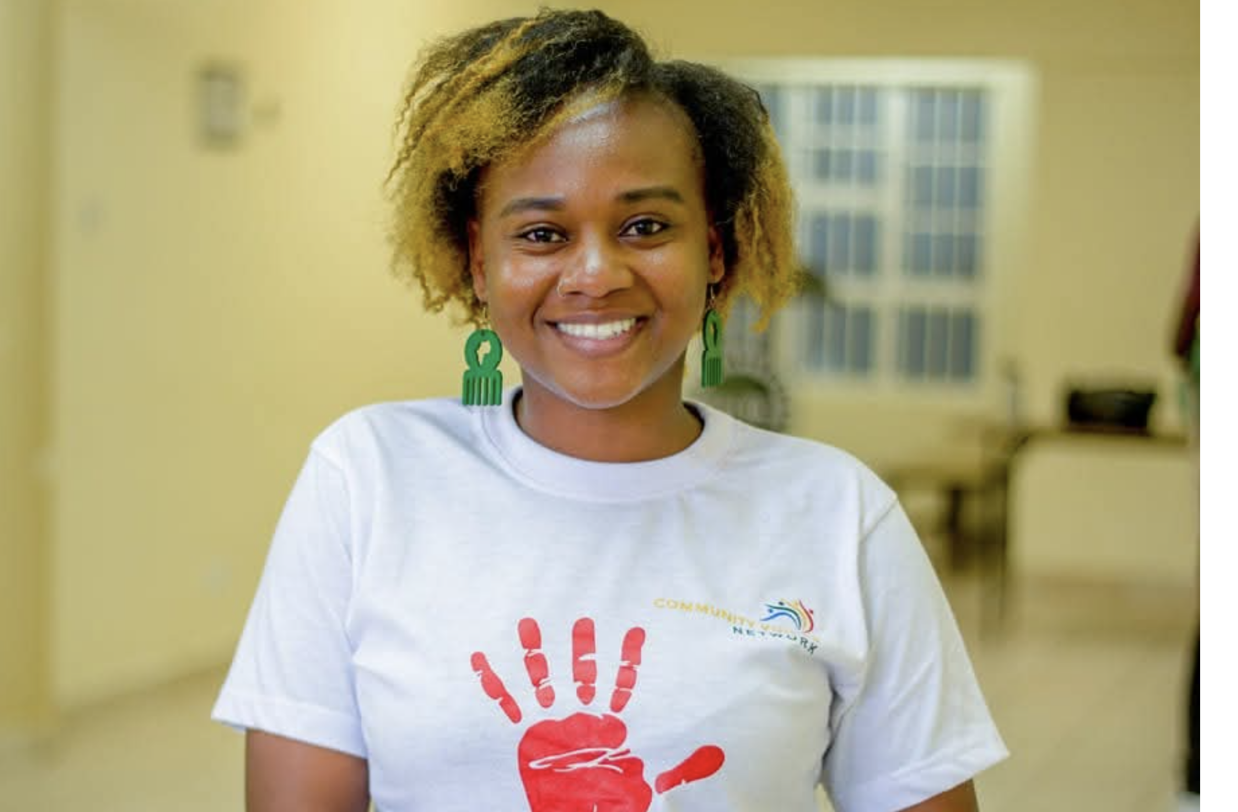
Ritah Anindo Obonyo is the Executive Director of Community Voices Network