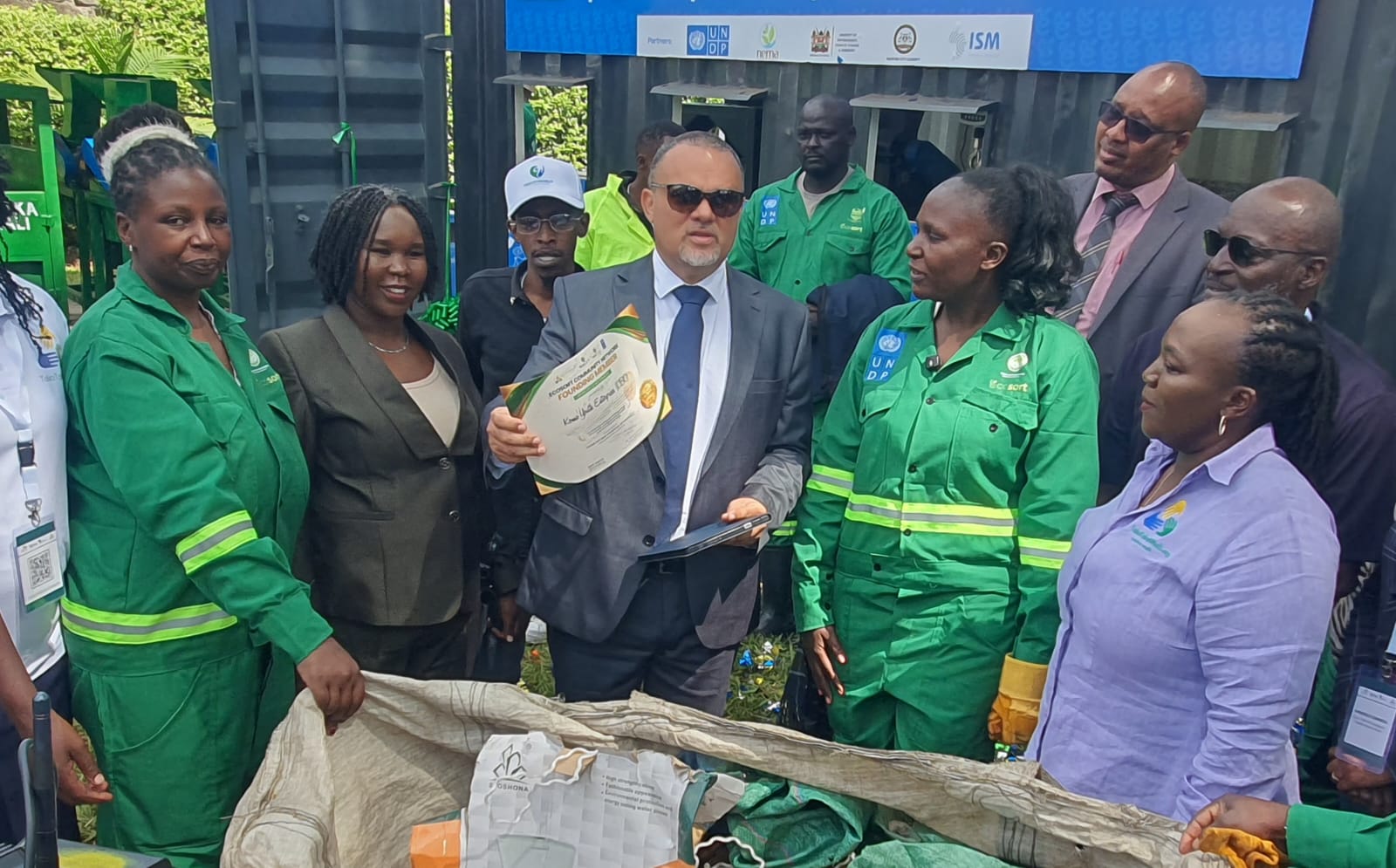
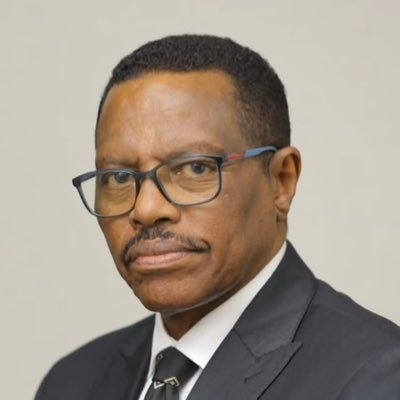
 H.E. Ambassador General Bacha Debele Buta is currently serving as Ambassador Extraordinary and Plenipotentiary of the Federal Democratic Republic of Ethiopia to the Republic of Kenya. He is serving in Ethiopian Military and politics for the last 48 successive years and possesses deep and countless experiences. /HANDOUT
The successful conduct of Ethiopia’s Seventh General Election on June 1, 2026, stands as one of the most remarkable democratic milestones in the modern political history of Africa. Beyond being a national electoral exercise, the election represented a powerful affirmation of Ethiopia’s democratic aspirations, national resilience, constitutional order and enduring commitment to peaceful political participation.
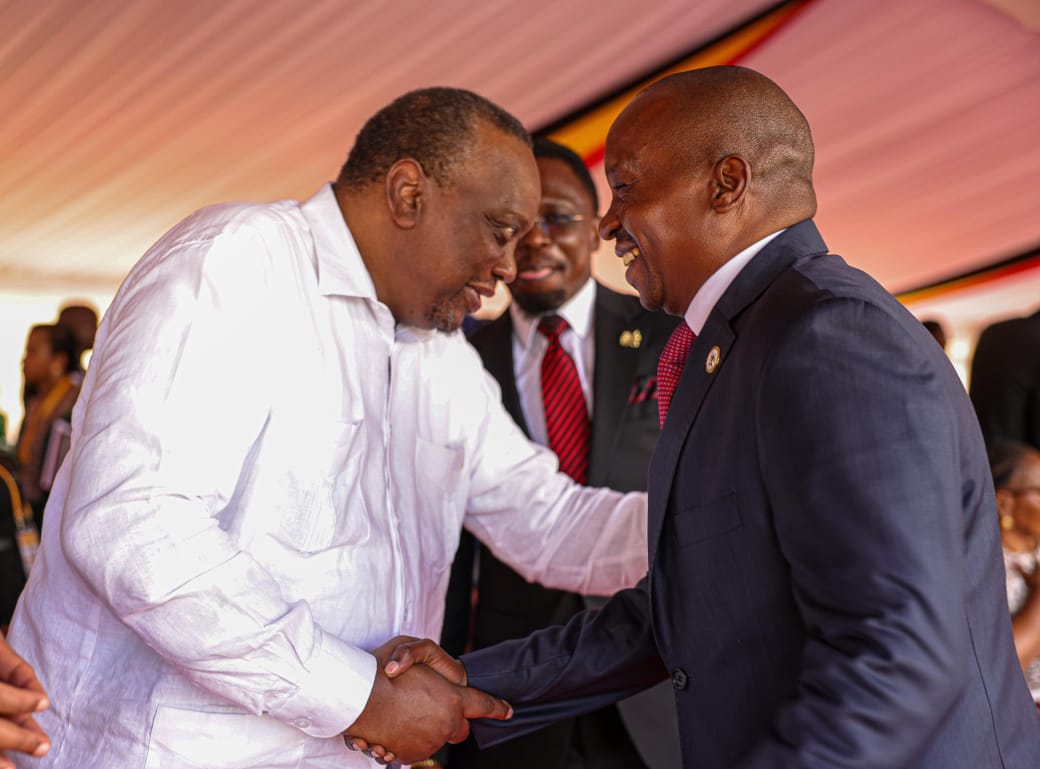
In the aftermath of the election, the former President of Kenya and head of the African Union Election Observer Mission, H.E. Uhuru Kenyatta, delivered a powerful and historic reflection on Ethiopia’s democratic legacy and continental significance:
“On a personal note, I want to once again reiterate that today is a day that the people of Ethiopia should be proud of. Today is a day you should remember your history — a nation that stood against the wave of colonialism, united and never colonised. Never forget that, never colonised. A nation that stood for Africa's independence and for Africa's rights to self-governance and rule; a nation that, as a result, has become the capital of Africa.”
Indeed, Ethiopia’s Seventh General Election deserves such recognition. It was not merely an election; it was a historic democratic exercise that reflected the political maturity, perseverance, determination and unity of millions of Ethiopians from all walks of life. It was a triumph of constitutionalism, civic responsibility and national confidence.
Massive Electoral Participation and Democratic Commitment
More than 54 million Ethiopians participated in the election; the largest voter turnout in the country’s electoral history since the adoption of the 1995 Constitution. Across cities, towns and rural communities, citizens queued patiently for long hours in order to exercise their democratic rights.
President Uhuru Kenyatta particularly commended the remarkable civic commitment demonstrated by Ethiopian voters:
“Most importantly, citizens did show strong commitment to vote, reflected in sustained and patient queuing throughout the day, demonstrating their commitment to democratic participation.”
The extraordinary voter turnout clearly reflected the people’s growing confidence in democratic institutions and their determination to shape the future of their country through peaceful political participation rather than conflict.
One of Africa’s Largest Democratic Exercises
The Seventh General Election represented one of the most participatory and extensive democratic exercises not only in Ethiopia’s history but also in the history of the African continent. More than 54 million registered voters cast ballots across thousands of polling stations nationwide. Nearly 11,000 candidates contested the election, representing 42 political parties in addition to 80 independent candidates competing for seats at both federal and regional levels.
The election demonstrated broad political engagement, competitive participation and increasing democratic inclusiveness. At a time when democratic systems across the world are facing significant challenges, Ethiopia’s election provided an important example of democratic resilience and peaceful constitutional transition.
Universal
Suffrage and Political Inclusiveness
The election was marked by unprecedented public participation and increasing political pluralism. Polling stations across the country remained operational until late at night in order to accommodate exceptionally high voter turnout, a phenomenon observer described as unprecedented in Ethiopia’s electoral history.
Equally important was the active participation of political parties, domestic and international media institutions, civil society organisations and election observers. Their broad engagement strengthened transparency, accountability and public trust in the electoral process. The election therefore served not only as a constitutional exercise but also as a reflection of Ethiopia’s growing democratic culture and commitment to universal suffrage.
The Spirit of the “Second Adwa”
The election also took place during a period of renewed national confidence and strategic transformation. The completion of the Grand Ethiopian Renaissance Dam (GERD), widely celebrated as the “Second Adwa,” has reinforced Ethiopia’s standing as a regional power and symbol of African self-reliance.
The inauguration of the GERD was followed by the announcement of more than USD 30 billion worth of additional mega projects, including the Bishoftu International Airport, nuclear power plant, fertiliser manufacturing plants and large-scale infrastructure initiatives. These achievements were further strengthened by comprehensive macroeconomic and foreign exchange reforms aimed at modernising the national economy. For many Ethiopians, the election became not only a democratic exercise but also a symbolic expression of national pride, sovereignty and collective aspiration.
Rapid Economic Transformation and National Development
Over the past several years, Ethiopia has recorded significant achievements in economic development, agricultural productivity, infrastructure expansion and industrial transformation. Agricultural production has expanded substantially through large-scale wheat and rice cultivation projects, including winter wheat initiatives and irrigation-based farming systems. Export revenues from coffee, gold, horticulture and agro-processing sectors have continued to grow steadily. At the same time, the tourism and hospitality sectors are increasingly contributing to economic growth and foreign currency generation.
Urban transformation has also become highly visible across the country. Major cities, including Addis Ababa, are experiencing rapid modernisation through riverside development projects, corridor construction initiatives, expanded transportation systems and massive infrastructure investments. These achievements collectively reflect a nation undergoing rapid socioeconomic transformation while simultaneously strengthening democratic governance.
Triumph Over Internal and External Challenges
Despite organized attempts to undermine the electoral process through disinformation campaigns, political pressure and destabilization efforts, Ethiopians overwhelmingly rejected narratives of division and instability. In the months leading to the election, coordinated misinformation campaigns circulated widely across digital platforms, particularly from politically motivated groups operating abroad. These campaigns attempted to discourage participation and damage the credibility of the electoral process. Nevertheless, millions of Ethiopians peacefully went to polling stations and exercised their constitutional rights with determination, dignity and confidence. The election therefore became not only a democratic process but also a powerful demonstration of national resilience and political stability.
Technological Advancement and Electoral Modernization
One of the most remarkable aspects of the seventh national election was the unprecedented use of technology throughout the electoral process, particularly in voter registration and election administration.
Head of AU election observers’ group, President Uhuru Kenyatta, praised the technological improvements introduced by the National Election Board of Ethiopia:
“The introduction of technology, particularly in voter registration, to complement manual registration processes potentially contributed to the increased number of registered voters, especially young people accustomed to using technology.”
He further noted that the professionalism of polling officials, the proper implementation of voting procedures and the orderly conduct of election day operations reflected institutional preparedness and impartiality. The integration of technology significantly enhanced efficiency, transparency and public confidence in the electoral system.
Broad Observer Participation and International Recognition
The election was conducted under broad domestic and international observation. The African Union, IGAD Election Observation Mission, Ethiopian Human Rights Commission, media organisations and civil society institutions all confirmed the generally peaceful, orderly and transparent nature of the electoral process.
President Uhuru Kenyatta further observed:
“The electoral environment on election day was generally calm, with voting proceeding in an orderly manner and voters being processed steadily across most polling stations observed. This provided an opportunity for voters to cast their votes unhindered.”
Similarly, observer missions commended the professionalism of election officials, the peaceful atmosphere at polling stations, effective civic education efforts and the remarkable patience and discipline demonstrated by Ethiopian voters. The scale of voter turnout and public participation was widely recognized as an exemplary democratic achievement for the African continent.
Ethiopia and the Future of African Democracy
Ethiopia’s Seventh General Election carries significance far beyond national borders. As the diplomatic capital of Africa and a historic symbol of anti-colonial resistance and African sovereignty, Ethiopia continues to hold a unique place in the political imagination of the continent. The election demonstrated that democratic participation, national dialogue and constitutional order remain the most legitimate paths toward political stability and development.
In this regard, President Uhuru Kenyatta’s concluding remarks remain deeply inspiring:
“That a great nation like Ethiopia should take advantage of this moment to move forward and further deepen political and social dialogue among her peoples, bring on board those who might feel left behind, and become that inclusive, united Ethiopia that was once the beacon of hope for our entire continent.”
Conclusion
The Seventh General Election of Ethiopia will undoubtedly be remembered as a defining chapter in the country’s democratic journey. It reflected not only the political determination of millions of Ethiopians but also the broader aspirations of Africa for peace, constitutional governance, development and democratic progress. At a time when many nations face uncertainty and polarization, Ethiopia demonstrated that democratic legitimacy is ultimately secured not through violence or division, but through the collective will of the people expressed peacefully at the ballot box.
Indeed, the path forward for Africa’s Democracy is one and clear: political power through ballot!
The writer is currently serving as Ambassador Extraordinary and Plenipotentiary of the Federal Democratic Republic of Ethiopia to the Republic of Kenya.