

Africa is endowed with precious resources, agricultural land, diverse ecosystems, a favourable environment and a steadily growing young population, conditions that should have enabled it to take its rightful position as one of the richest, if not the richest, in the world.
However, besides the few strides made over the years, the
continent continues to suffer from malnutrition, poverty, hunger, conflicts, impacts
of climate change and other negative issues, more than 60 years after
independence.
The African Continental Free Trade Area, a regional framework established in Kigali, Rwanda, on March 21, 2018, and officially started operation on January 1, 2021, aimed to create a continental single market of over 1.2 billion people with a combined Gross Domestic Product close to $3 trillion (Sh386 trillion).
The agreement seeks to remove the barriers to trade among various African countries and establish standard policies to ease the movement of goods and services.
When AfCFTA was established, there was a general agreement that the continent had found the missing link, enabling it to catapult itself to a strengthened governance system and a developed socioeconomic future for all. Unfortunately, this does not seem to be the case.
Since its official launch, the momentum around the AfCFTA has steadily slowed, with emerging challenges further stalling progress.
Take, for instance, a recent directive by President Samia Suluhu’s government on restrictions on foreigners operating small businesses in Tanzania. The statement evoked several discussions among Pan-Africans and well-wishers of Africa, who have only one question: if every African country went this route, how would the AfCFTA rise to champion the development of the continent?
This is just an example of the challenges that face the full implementation of the AFCFTA and the realisation of Africa’s socioeconomic development. One of the major hindrances has been conflicts in different regions, which have hindered the movement of goods.
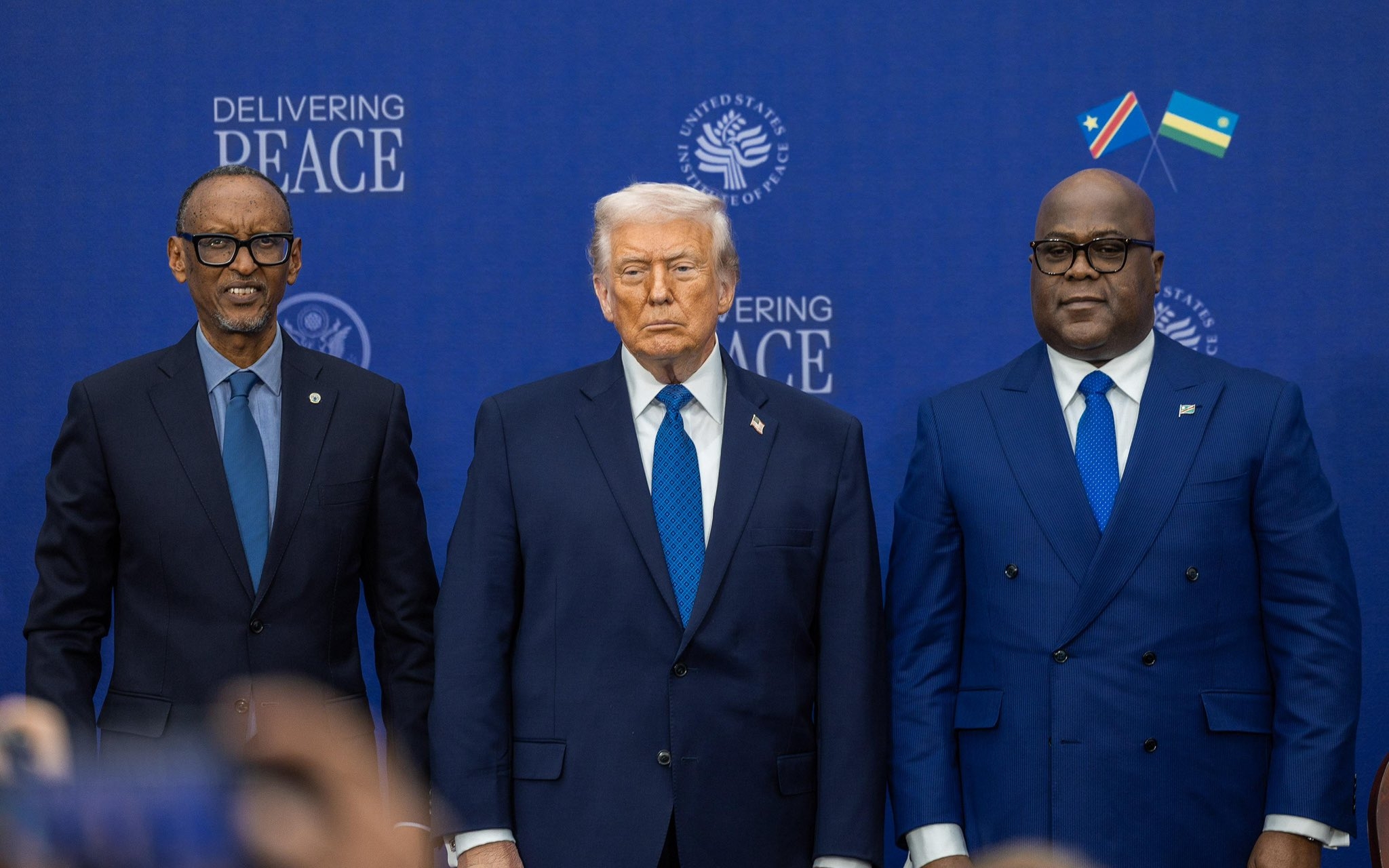
The recent conflicts in Sudan, Eastern DRC, the tensions between Rwanda, DRC, South Africa and Uganda almost destabilised the region, while countries like South Sudan, Somalia, Egypt and Ethiopia have remained in cold conflicts over the years. Therefore, the aspirations of the AfCFTA to bring all the African countries together for enhanced intra-trade have continued to hit obstacles.
The Economic Commission for Africa notes that despite the progress made to enhance trade between African countries, it has remained at about 20 per cent. Meaning, Africa is trading more with other continents than with itself. This comes even when a key report from the United Nations Conference on Trade and Development on Key Statistics and Trends in Regional Trade in Africa indicates that the continent mainly trades with Asia and Europe.
What then must be done?
There is a need, first and foremost, for shifts in political governance. Chinua Achebe writes that the trouble with Nigeria is simply a failure of leadership. Even though he was referring to Nigeria, in a sense, this reflects the situation in most African countries! Without the buy-in from most African leaders, ambitious initiatives such as AfCFTA will be created and stored on laptops, computers and shelves, awaiting others.
Going forward, let all stakeholders urgently join in the push for a better implementation of AfCFTA, through its deliberate inclusion in national, regional and global strategies. For Africa to rise to its true potential and tap its vast resources for the transformation of lives and livelihoods for all, AfCFTA must be put at the centre of all socioeconomic development conversations.
Communication specialist