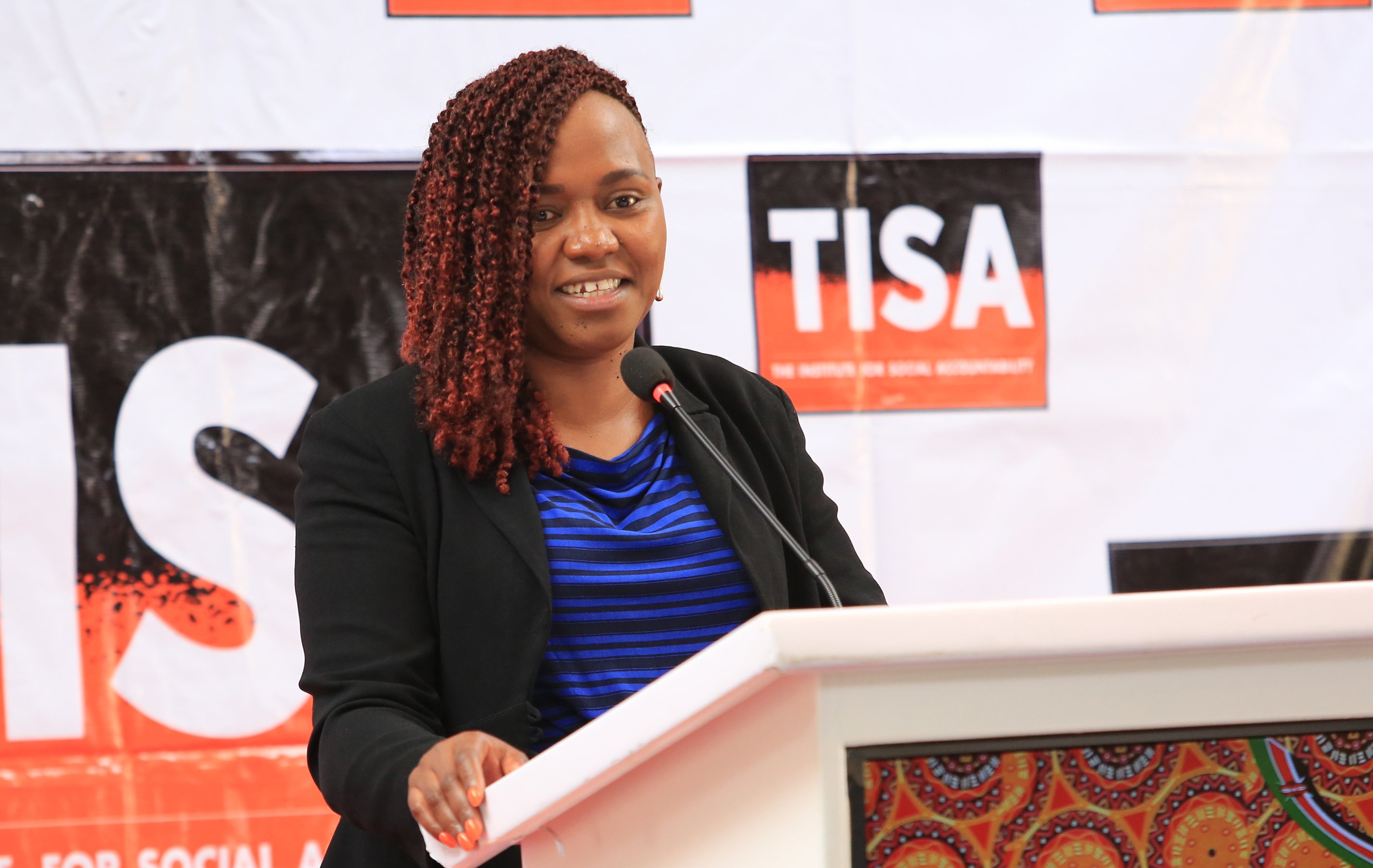


 Angela Wamoto, a researcher in refugee securitisation and African multilateral diplomacy at Universitas Padjadjaran (UNPAD), Indonesia.
When Kenyan President William Ruto stood before the UN General Assembly in September 2025 and condemned Africa’s exclusion from the Security Council as “unacceptable, unfair and grossly unjust,” he articulated what African leaders have known for decades: the international order isn’t a meritocracy. It’s a cartel.
Consider the arithmetic of absurdity. Kenya hosts 854,876 refugees, more than the population of Cyprus, a UN member state. It leads peacekeeping operations in Haiti while sheltering three generations of Somalis in camps established in 1991.
Kenya fights Al-Shabaab, stabilises Somalia and shoulders humanitarian burdens abandoned by retreating Western donors. Food rations in refugee camps dropped from 65% to 40% between 2023 and 2025 as funding evaporated. Yet, when Ruto demanded two permanent African seats with veto power, he was met with diplomatic silence.
Two months later, that silence became a spectacle. South Africa hosted the first G20 summit on African soil, only to watch Washington turn it into a theatre.
President Trump boycotted entirely, trafficking in debunked genocide claims about white farmers. China and Russia sent junior delegations. When the ceremonial gavel handover came, the White House offered a junior embassy staff; an insult South Africa rightly refused.
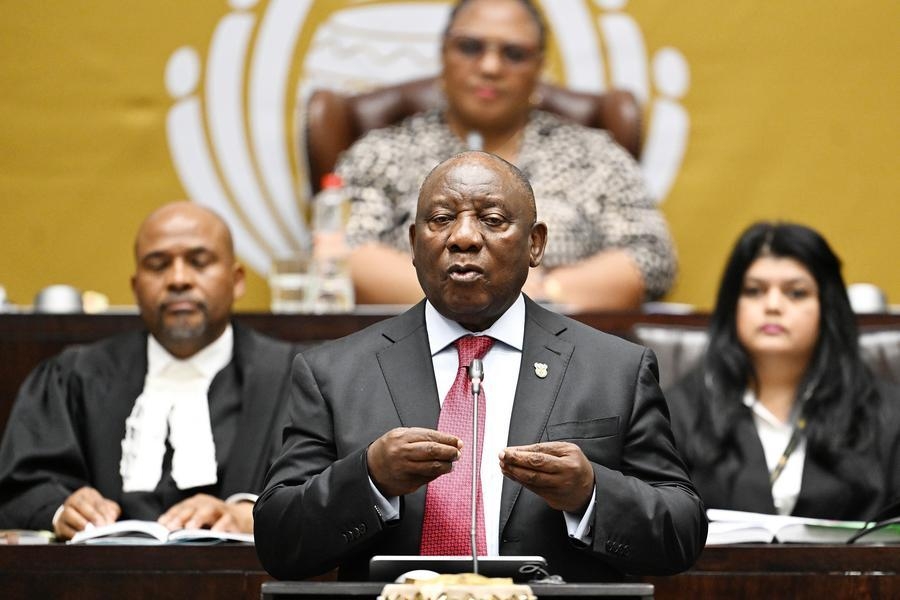
President Ramaphosa closed the summit alone, banging the gavel before empty chairs.
Secretary of State Marco Rubio then announced Poland would replace South Africa in future G20 meetings, claiming that Pretoria had “fallen outside the group of the 20 largest industrialised economies.” The message was unmistakable: African competence doesn’t command Western respect. It invites humiliation.
This isn’t incompetence or oversight. It’s architecture. The international system was designed during an era when most of Africa was colonised and couldn't speak for itself.
The P5, permanent Security Council members with veto power, have remained unchanged since 1945 precisely because the rules protect incumbents, not principles.
African nations have played by those rules flawlessly. Kenya’s peacekeeping record is textbook-worthy. Its forces recently recaptured strategic sites in Haiti, including TELECO in Kenscoff, operating at 40% capacity due to funding gaps the West created through budget cuts.
Ruto asked the General Assembly, “If so much could be achieved with limited resources within months, what more could have been accomplished if the UN had truly acted in solidarity with Haiti?” The question exposes the con. African sacrifice is expected, but African authority is unthinkable.
For decades, African elites absorbed Western IR theory, Westphalian sovereignty, multilateral norms, and rule-based diplomacy on an implicit promise: master these frameworks and equity will follow. That promise was always conditional on something unspoken; Western approval.
Samuel Huntington’s “clash of civilisations” thesis positioned the West at the pinnacle and the “Rest” as perpetually other, justifying security doctrines that view Somali Muslim refugees as permanent threats rather than displaced people.
When UN peacekeeping faced a $3.7 billion shortfall by September 2025, Dadaab’s residents paid for reduced rations and closed health facilities.
But awareness is shifting. African leaders increasingly recognise that the table itself may not deserve their presence. When President Ramaphosa closed the G20 summit without American participation, he refused to let Trump’s absence define success, declaring the summit “rooted in the conviction that the world needs more solidarity, equality and sustainability.”
The future lies in autonomous platforms where Western veto power doesn’t dictate outcomes, the African Union’s conflict resolution mechanisms, BRICS collaborations, and regional economic blocs fortified by Africa’s demographics and resources.
Kenya’s Shirika Plan transforms refugee camps into integrated municipalities rather than waiting for donor validation. The African Central Bank and African Monetary Fund represent infrastructure for economic self-determination.
This repositioning draws on deliberately marginalised frameworks: Nehru’s non-alignment, Sukarno’s anti-imperial solidarity, Southeast Asian mandala governance. K.J.
Holsti observed in 1985 that global IR remains Anglo-American-centric, suppressing traditions like Ubuntu’s communal ethics and Sun Tzu’s harmonious strategies. That Eurocentrism convinced African leaders equality required Western validation.
That delusion is ending. The belief in merit’s sufficiency was always a Western export designed to sustain service without sovereignty. Equality isn’t granted by proving worthiness to gatekeepers who move goalposts. It’s constructed by those with the courage to define their own standards.
Africa has earned every credential the system demands. The question isn’t whether Africa is ready for global leadership. It’s whether global institutions are ready to relinquish their grip on power or whether Africa is better served by building tables of its own.
Angela Wamoto is a researcher in refugee securitisation and African multilateral diplomacy at Universitas Padjadjaran (UNPAD), Indonesia.