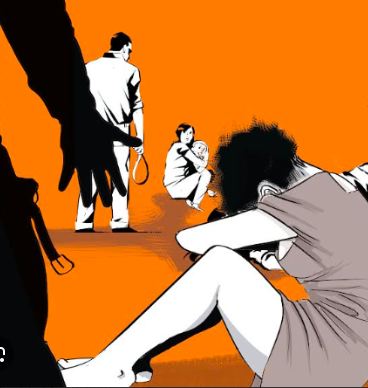
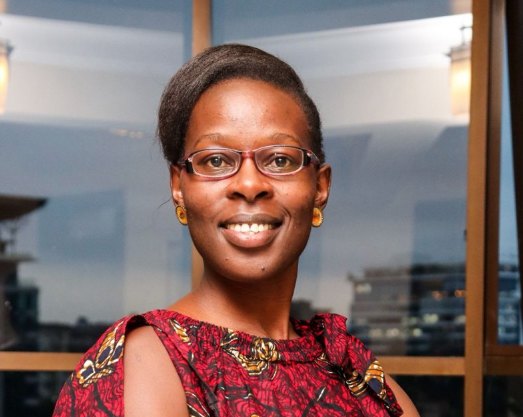
A female human rights defender I know in Nairobi will, for an
unknown number of weeks, remain in a self-imposed lockdown as she fears for her
life. She was trying to protect others when a powerful perpetrator turned his
focus on her, seeing her as the stumbling block between himself and a survivor
of sexual and gender-based violence.
She now joins the growing list of defenders across East Africa
who work under constant threat, yet whose sacrifices remain unrecognised. Her
case is not far from that of Ugandan activist Alexandros Marinos, who was
buried the other week after years of pain and trauma inflicted by authorities
in Uganda, who have since denied responsibility.
Marinos died in pain, perhaps as a frustrated woman who never
imagined that defending other people’s rights would push her to such limits.
Let me first applaud the Marinos for standing her ground despite threats and
intimidation in Uganda and even in Kenya, where she sought refuge. Unlike many
who pull back when systems push hard, she refused to bow.
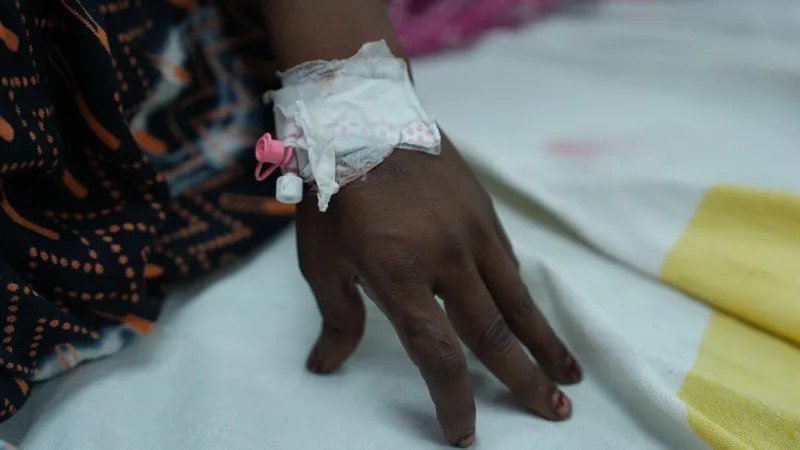
While she may be resting now, I refuse to accept that her
experience should not shape how we treat women human rights defenders moving
forward. I refuse to accept that there was nothing we could have done to ensure
Marinos never cried on that hospital bed in those videos now circulating
online.
This is not to dismiss the fact that men also face challenges.
Boniface Mwangi has been targeted, harassed and assaulted for his work. Mwabili
Mwagodi has had his own brushes with state power. But even in their cases, what
they endure is framed through politics, activism and state repression. For
female defenders, the threats carry an additional layer, gender. They are
attacked for daring to speak as women in spaces that remain deeply patriarchal.
Their credibility is attacked through smears about their families, their
personal lives and their bodies.
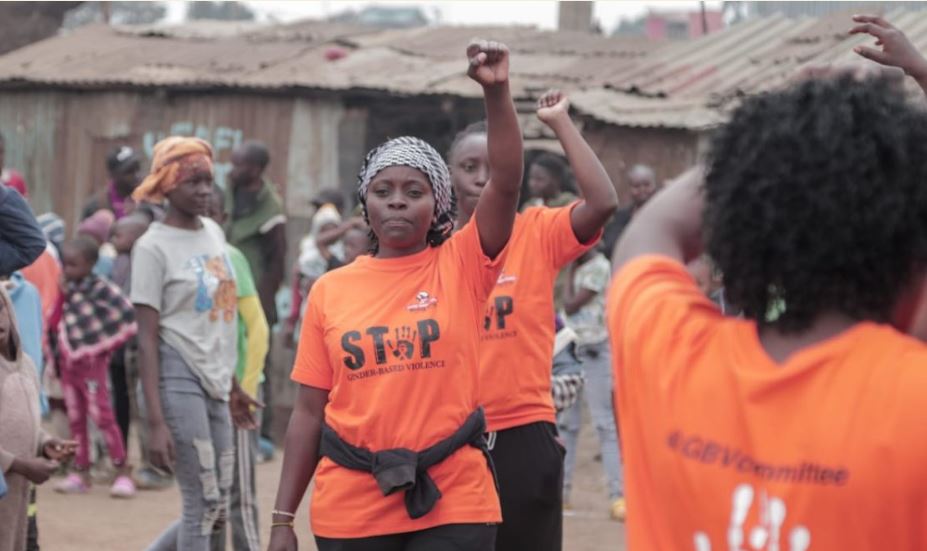
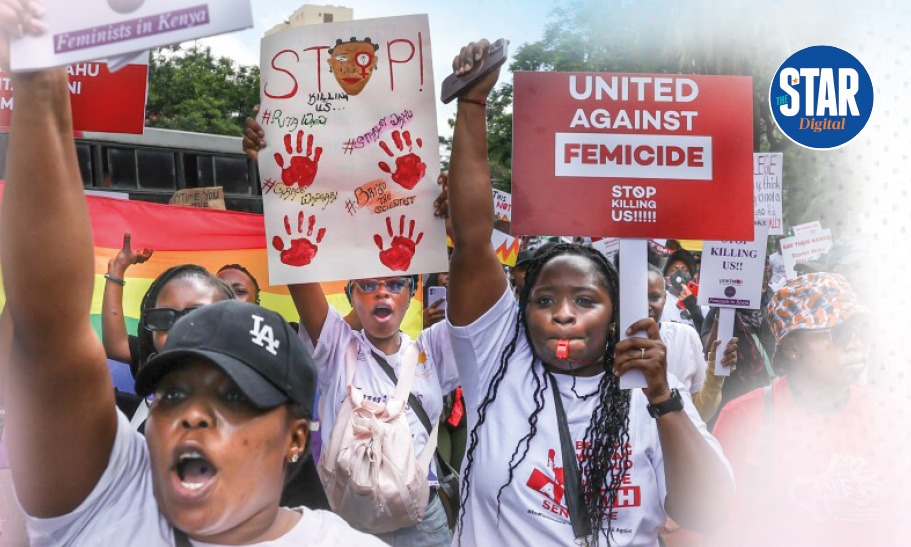
In Kenya, women defenders working on sexual violence or police
killings are branded as disruptors. In Nairobi, they are dragged into endless
police harassment, threatened online and isolated in their communities. Many
find themselves in safe houses for months, unable to step outside. In rural
places like where Marinos once worked, women defenders are treated as traitors
to culture and face rejection from their own families.
In Uganda, the crackdown is harsher. For women, that repression
becomes doubly dangerous, because once you are a woman activist, you are not
only “political” but also an “immoral” voice challenging cultural and religious
norms. In Tanzania, defenders working around land rights and extractives are
vilified. In South Sudan, women are abducted or threatened in a militarised
environment. Across Eastern Africa, women defenders face the same risks men
face, but their fight is complicated by gendered violence and social stigma.
When women are attacked, their cases are often buried in
whispers. Sometimes, even in the activist community, their concerns are
dismissed as personal drama, rather than structural repression.
This silence should end for heaven’s sake. When
women defenders are broken, whole communities lose protection. They are the
first responders in cases of sexual violence; they are the ones who accompany
victims to hospitals and courts, and they mobilise when police harass families
in settlements. Their absence leaves a vacuum that no NGO report or donor
conference can fill.
Investment must begin with safe spaces. Women defenders require
protection programmes that take into account the specific threats they face,
including GBV and mental health. Too many women defenders are carrying trauma
alone, without psychosocial support, until it breaks them. Most women defenders
are unpaid, operating from kitchens and small offices, yet carrying out work
that international agencies rely on. Fourth, recognition. Their stories must be
centered, their names must be remembered, and their sacrifices acknowledged.
Marinos’ death must not be in vain. The woman I know who is in
hiding today must not be forgotten. If we keep letting these stories fade, we
normalise a reality where women defenders are disposable, and that weakens the
entire human rights struggle in East Africa.
The writer is a human rights defender