Kenya's steady decline in new HIV infections is a public health success worth celebrating.
A 61.5 per cent reduction in infections among adolescents and young people over the past six years demonstrates that sustained investment, science and community-led interventions can deliver results.
Yet beneath the encouraging statistics lies a sobering
reality: young people, particularly adolescent girls and young women, remain at
the epicentre of the epidemic.
The country cannot afford complacency. More than 13,000 new infections every year is still far too many, while thousands of children continue to acquire HIV through preventable mother-to-child transmission.
That mothers are dropping off treatment during breastfeeding points to gaps in follow-up care that demand urgent attention.
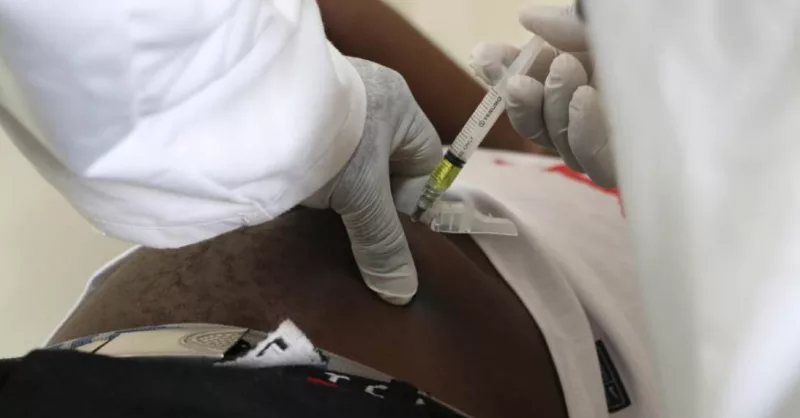
Kenya has rightly embraced innovation through the rollout of long-acting HIV prevention injections and the U=U campaign, but these advances must be matched by stronger investments in education, stigma reduction, youth-friendly health services and support systems that keep vulnerable populations in care.
The fight against HIV has entered a new phase. Success will no longer be measured by broad national gains alone, but by whether the country can reach those still being left behind. Ending Aids by 2030 remains achievable, but only if prevention efforts become sharper, more targeted and relentlessly focused on the communities that continue to bear the greatest burden.
Quote of the Day: “Every solution of a problem raises new unsolved problems.” —Austrian-British philosopher Karl Popper was born on July 28, 1902