Saba Saba occupies a special place in Kenya's national history. We commemorate the courage of leaders and citizens who demanded multi-party democracy, an end to Kanu's single-party rule, and constitutional freedoms.
Those sacrifices helped shape the democratic space that Kenyans enjoy today, making July 7 a day of reflection, respect and civic engagement.
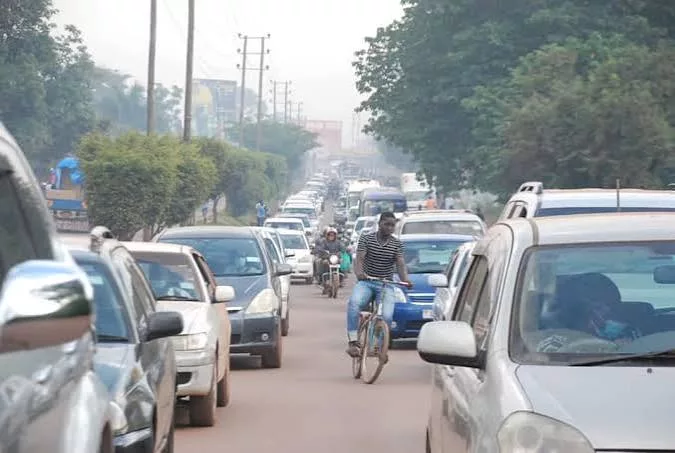
Yet honouring that legacy should not mean bringing the country to a standstill. Blanket road closures, barricades and restrictions on access to the city centre impose high costs on workers, businesses, patients and students who have no connection to the planned demonstrations. Such measures risk punishing the public instead of addressing genuine security concerns.
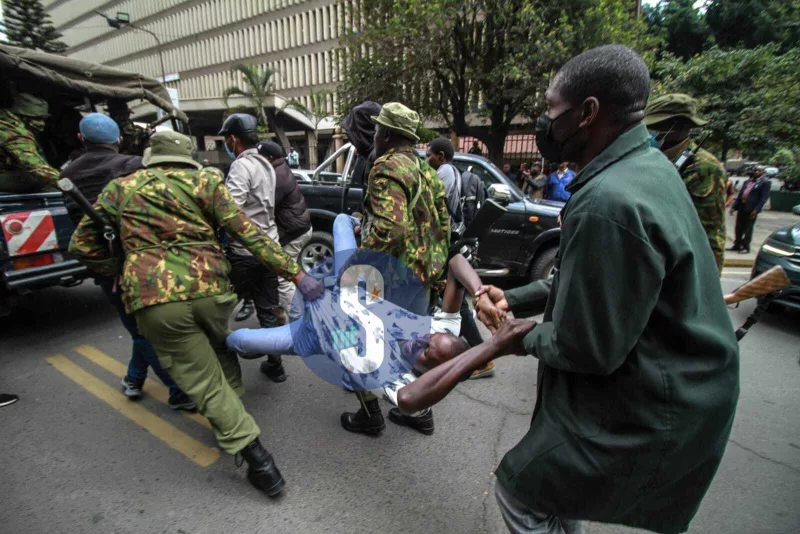
The police have an important duty to protect lives and property, but they also have a constitutional obligation to facilitate the right to peaceful assembly.
These responsibilities must be fairly balanced. Effective policing should focus on intelligence, traffic management and isolating individuals who engage in criminal acts, rather than treating an entire city as a security threat.
Closing roads in the hope of preventing demonstrations is often counterproductive. It creates unnecessary disruption, heightens public anxiety and can even increase tensions.
Kenya's democracy is best served when law enforcement balances public safety with constitutional freedoms, allowing peaceful protest while ensuring that the rest of the city continues to function smoothly as usual.
Quote of the day: “The best laid plot can injure its maker, and often a man’s perfidy will rebound on himself.” —French poet Jean de La Fontaine was born on July 8, 1621