A new report has faulted the Unclaimed Assets Trust Fund after it returned only one per cent of Sh34 billion in unclaimed assets to beneficiaries.
The revelations expose inefficiencies in reuniting Kenyans with their money.
The Unclaimed Assets Trust Fund report for the financial year ending June 30, 2025, paints a picture of an institution struggling to fulfil its core mandate of tracing rightful owners and returning dormant financial assets.
According to the report, the fund held unclaimed assets worth Sh34.26 billion, comprising Sh29.49 billion brought forward from previous years and Sh4.77 billion received during the year.
However, only Sh427.46 million was paid out to beneficiaries during the period, representing a reunification rate of just one per cent of the total assets remitted to the fund.
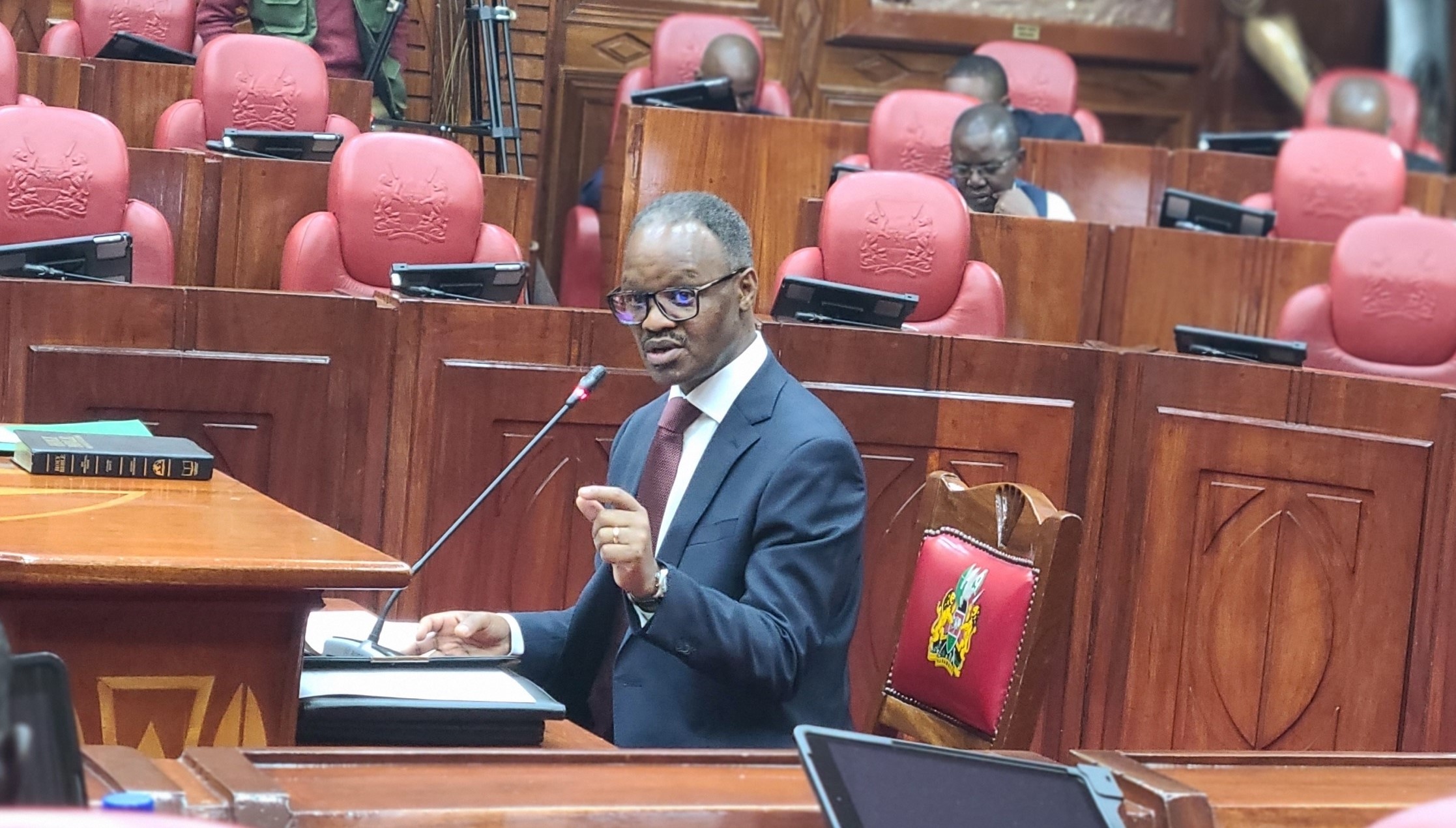
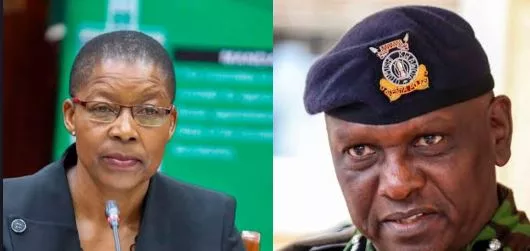
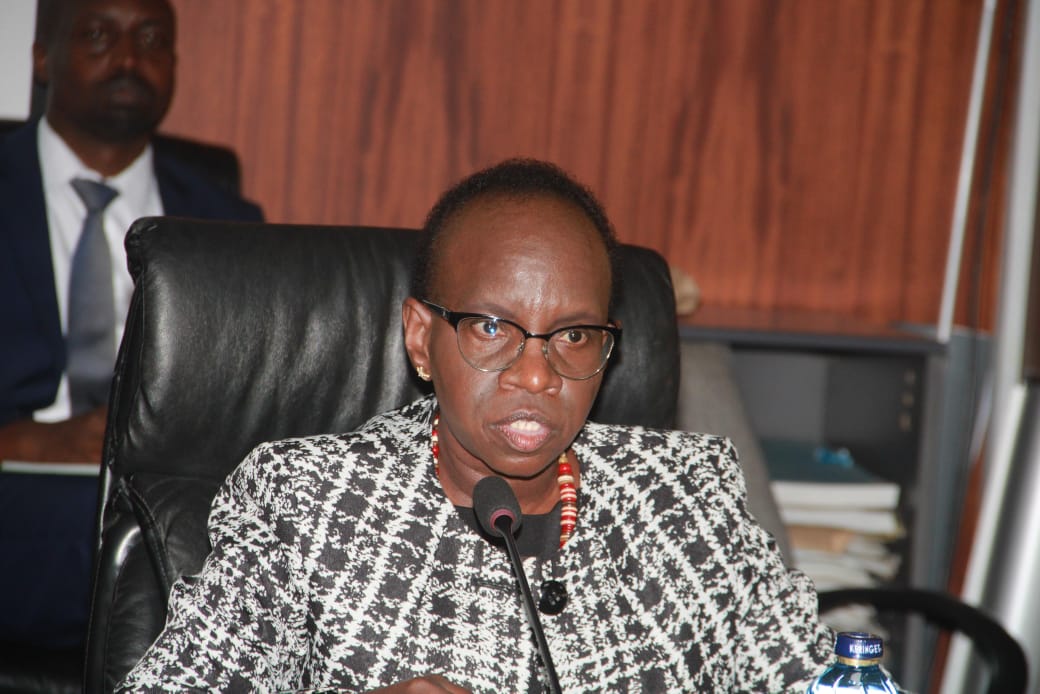
Auditor General Nancy Gathungu said the low recovery rate raises questions about the effectiveness of the fund, which began receiving unclaimed assets in 2014 before commencing reunification with beneficiaries in 2016.
"The authority is therefore not meeting its mandate of tracing unclaimed assets and reunifying them with the beneficiaries efficiently and effectively," the auditor general states in the report.
Management attributed the poor performance to several challenges, including cumbersome legal procedures that do not distinguish between low-value and high-value claims.
According to the report, the cost of processing small claims discourages many beneficiaries from pursuing their money.
The audit also points to regulations that require physical submission of documents and manual processing of claims, making the reunification process slow and inefficient.
Other factors cited include difficulties in tracing the rightful owners of dormant assets, low public awareness about the existence of the fund and the large number of accounts holding very small balances that cannot easily be disposed of or donated under the current law.
Although management told auditors it had adopted measures to improve reunification, the auditor general maintained the existing challenges continue to undermine the fund’s effectiveness.
The report further reveals that billions of shillings in financial assets remain tied up in legal disputes.
The financial statements show Sh10.79 billion in cash assets and Sh425.68 million worth of shares that have been identified through compliance audits but have not yet been remitted to the authority because they are under dispute.
Management told auditors that recovery efforts are continuing through an enforcement committee pursuing the disputed assets.
The audit also raises concerns over idle public funds held by the authority.
At the end of the financial year, the fund had Sh1.02 billion in cash and cash equivalents held at the Central Bank of Kenya, a local commercial bank and on M-Pesa.
The auditor general questioned why the money had remained idle despite the low level of claims paid during the year.
The report notes that only Sh427.46 million was paid out to claimants, yet the Authority retained more than Sh1 billion in cash instead of investing the funds in interest-bearing instruments.
The audit says this was contrary to the Public Finance Management Act, 2012, which requires accounting officers to ensure public resources are used efficiently, economically and effectively.
"In the circumstances, the effective utilisation of the cash balances held could not be confirmed," the auditor general concluded.
The findings pile pressure on the authority to accelerate reforms aimed at improving access to unclaimed assets and increasing public awareness.
The fund was established to receive financial assets that have remained dormant for years, including inactive bank accounts, unclaimed dividends, insurance payouts, pension benefits and other financial assets whose owners cannot readily be traced.
Financial institutions, insurance companies and other holders of dormant assets are required by law to surrender them to the fund after prescribed periods.
The expectation is that the authority will actively trace beneficiaries and reunite them with their money.
However, the latest audit suggests that the reunification process remains slow, leaving billions of shillings locked in the fund while thousands of potential beneficiaries remain unaware that they are entitled to claim the assets.
INSTANT ANALYSIS
The audit exposes persistent weaknesses in Kenya’s unclaimed assets regime despite the fund operating for more than a decade. A reunification rate of just one per cent suggests legal, administrative and public awareness challenges continue to prevent rightful owners from recovering their assets. The finding also raises questions about the efficiency of keeping more than Sh1 billion in idle cash instead of investing it. The report is likely to intensify pressure for reforms to simplify claims, digitise processes and strengthen public awareness campaigns.

 Unclaimed Finance Assets Authority/UFAA