Tomorrow,
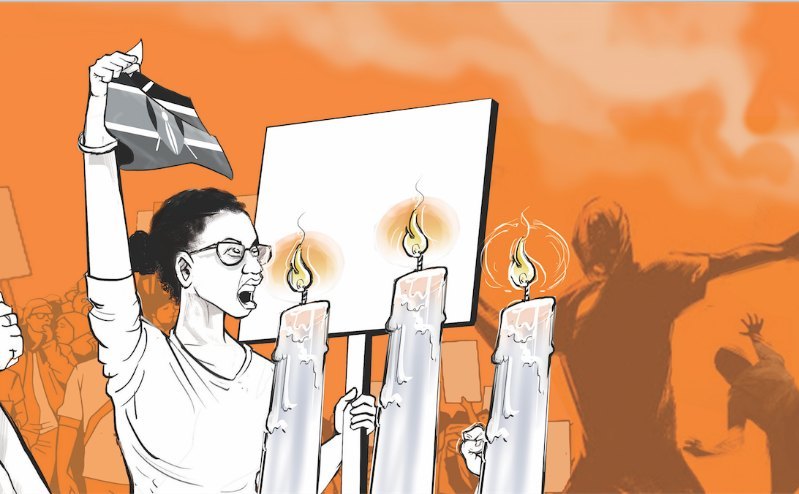
June 25, 2026, some Kenyans plan to march to Parliament. Families, friends and
victims of previous protests are preparing to commemorate the day. They intend
to lay flowers, light candles and present petitions. They will be remembering loved
ones lost during the 2024 protests—not as statistics, but as sons, daughters,
mothers and fathers. How this commemoration unfolds—whether peacefully or
otherwise—will depend entirely on the choices made by organisers and the
participants.
This planned commemoration must not become a political event. It should be about mothers who still set a place at the table for a child who will never return, about fathers replaying their last conversations, about survivors reliving moments they cannot forget. Their pain is real. Their loss is profound. And their right to express it is constitutionally protected—provided it is exercised within the law.
At the heart of tomorrow's planned commemoration lies Article 37 of our constitution, which declares: "Every person has the right, peaceably and unarmed, to assemble, to demonstrate, to picket, and to present petitions to public authorities." This right is an inherent guarantee—a shield for citizens who need to raise their voices, mourn their losses and demand accountability.
Article 37 is linked to other fundamental rights—the right to life under Article 26, dignity under Article 28, freedom of expression under Article 33, and fair administrative action under Article 47. Together, they create a comprehensive framework for citizen participation and state accountability.
Article 37 is not abstract. It allows the demonstrators to gather in numbers that reflect their grief. It permits them to present petitions that carry the weight of their loss. When these rights are respected, democracy thrives. When violated, the fabric of our constitutional order is torn. What this constitutional provision requires is that the gathering remain peaceable and unarmed. Citizens receive state protection in exchange for their commitment to peace.
Those planning tomorrow's commemoration carry a weighty responsibility. They must ensure every participant understands the importance of peaceful conduct. They must communicate clearly that violence, destruction of property and lawlessness will not be tolerated. This is a commemoration, not a confrontation.
Organisers must distance themselves from anyone seeking to hijack this day for chaos. They must cooperate with law enforcement, guide participants to designated areas and ensure peaceful dispersal. They must not permit weapons of any kind. They must not allow their gathering to become a cover for looting, arson or criminal activity.
The organisers of the said protests must not allow political figures to turn this day of commemoration into a platform for partisan advantage. The fallen did not lose their lives so that their memory could justify lawlessness. They stood for a Kenya where citizens speak freely, assemble peacefully and hold leaders accountable.
The consequences of chaos are clear. Destruction of property carries fines and imprisonment. Violence against citizens or officers is punishable by law. Arson, looting and rioting are serious crimes. But consequences go beyond the legal. Chaos dishonours the fallen. It erodes public sympathy and undermines the moral authority of the cause. It diverts attention from legitimate grievances.
The state has committed to facilitating peaceful assembly, providing security, and avoiding excessive force. The police are facilitators of public safety, not gatekeepers of freedoms.
Citizens have duties too. While Article 37 is explicit, the right exists only when exercised peaceably and unarmed. Any deviation strips it of constitutional protection. Demonstrators must honour the fallen with dignity. They must avoid acts that endanger others or destroy property. Peaceful demonstration is powerful, but fragile—shattered by a single act of violence.
Tomorrow, let presence be power. Let flowers be weapons. Let silence speak louder than any shout. Let us show the world we can grieve with dignity and demand justice with honour—but only if we choose peace over chaos, responsibility over recklessness.
Strategic adviser and expert in leadership and governance