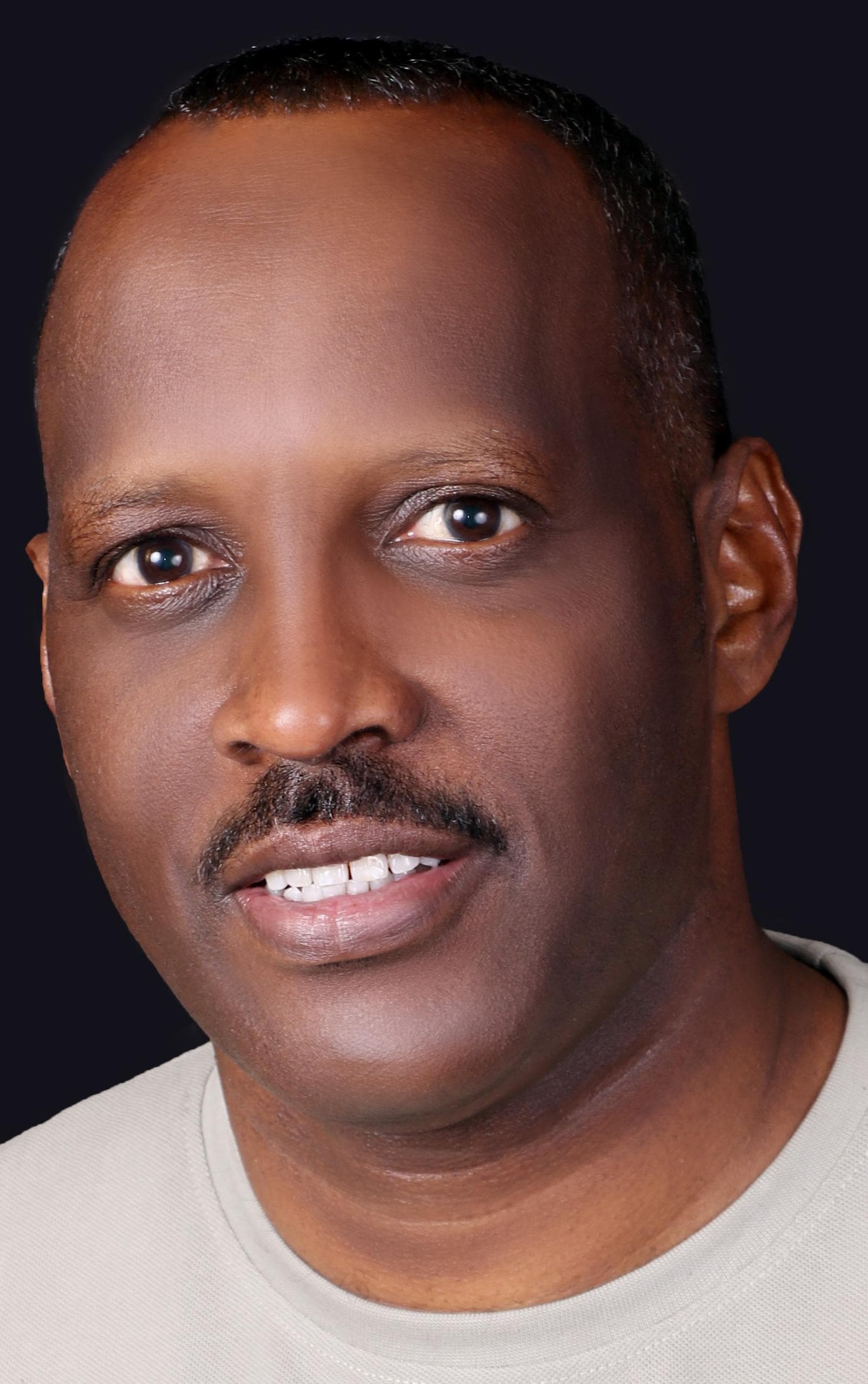
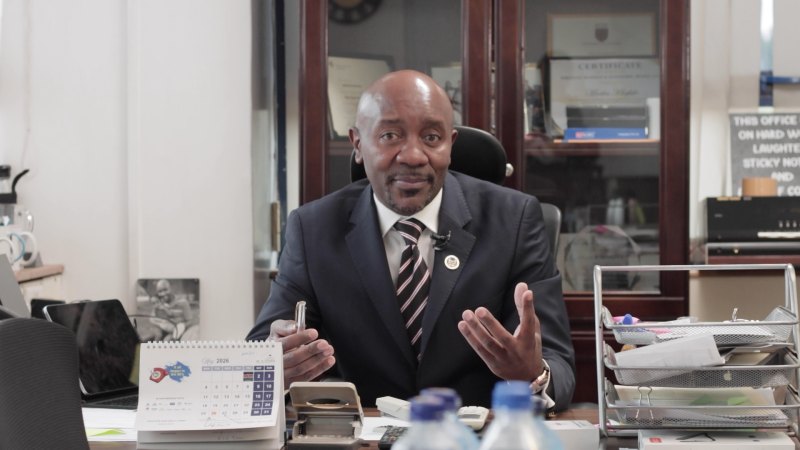
 Hon.Salah Maalim Alio, governance,Diplomacy,peace and Security management specialist/HANDOUT
Once again, Northern Kenya is being spoken about rather than spoken with. Recent national commentary has revived an old and convenient narrative: that the region’s development challenges are primarily the result of leadership failure. It is a claim that is easy to make, politically useful, and largely incomplete.
The marginalisation of Northern Kenya did not happen by accident. It was engineered through policy. Sessional Paper No. 10 of 1965, Kenya’s foundational economic framework, explicitly directed public investment toward regions deemed to have “high potential” for rapid returns. Northern Kenya was effectively written off.
Roads were not built, schools and hospitals were sparse, and economic infrastructure was minimal. For decades, the region was governed as a security buffer rather than a development priority.
This history cannot be wished away. It explains why deep structural deficits persist despite the resilience of communities and the efforts of leaders operating under extraordinary constraints—climate shocks, recurring droughts, cross-border insecurity, and decades of accumulated neglect.
Reducing this legacy to a story of individual leadership failure distorts the national conversation and delays real solutions.
But history alone does not explain everything. Northern Kenya must also confront uncomfortable truths about its own people and politics.
Negotiated democracy—where leadership and Election outcomes are brokered through elite bargains rather than open, competitive processes—has weakened accountability across the region.
While often justified as a mechanism for peace and cohesion, it has, in practice, insulated leaders from public scrutiny, narrowed political competition, and diluted citizens’ power to reward performance or punish failure. Stability achieved at the expense of accountability ultimately carries a high development cost.
At the national level, the tyranny of numbers has further compounded the problem. Electoral arithmetic has too often determined who is heard, who is funded, and who is ignored.
Regions perceived to lack political leverage have found themselves on the margins of policy prioritisation, reinforcing a dangerous notion that citizenship rights and development dividends are contingent on voting patterns.
Within the Northern region, clanism and ethnic favouritism have also undermined institutions and public trust.
Resource allocation, appointments, and development projects are at times filtered through narrow identity lenses, weakening meritocracy and entrenching exclusion. These dynamics do not only slow development; they corrode the social contract and fracture collective purpose.
Devolution has shown both what is possible and what remains broken. Across Northern Kenya, counties have expanded access to health services, water, education, roads, employment ,business opportunities and local governance structures.
These gains are real and should be acknowledged. Yet progress has been uneven, and fragmented leadership has limited the region’s ability to leverage its collective weight in national policy debates.
This is why a Northern Kenya National Leadership Summit is urgently needed.
The Summit will not be about grievance politics or public relations. It would be about course correction. It offers a rare opportunity for the region to speak with one coherent voice, articulate a shared development agenda, and confront internal governance failures honestly—without denial or deflection.
By bringing together elected leaders, professionals, elders, women, youth, civil society, and development partners, the Summit would help align priorities around infrastructure, human capital, climate resilience, peace, and economic transformation.
A National Government commitment is required in moving beyond soundbites to concrete policy and financing commitments.
Northern Kenya is central to Kenya’s future: from climate adaptation and renewable energy to cross-border trade and national security.
Continued fragmentation and political marginalization are not just regional problems—they are national risks.
The choice is stark. Northern Kenya can remain trapped in cycles of blame, negative ethnicity wrapped in negotiated politics, and fragmented advocacy. Or it can take collective responsibility, reclaim its voice, and engage the state from a position of unity and clarity.
A National Leadership Summit would be a decisive step in that direction—and the moment to act is now.
The Writer is a governance,leadership,peace and security management specialist




![[PHOTOS] Calm prevails in Kisumu, Homa Bay](https://cdn.radioafrica.digital/image/2026/06/dff8923b-c99a-4f40-a4be-cc996653e4e0.jpg)