On
August 7, we mark 27 years since the 1998 bombing of the United States Embassy
in Nairobi, a devastating terrorist attack that killed 213 Kenyans and injured
about 5,000 more. A lawsuit in the US for compensation was filed by 351
victims.
Many victims within 1,000 feet of the blast were permanently blinded
by shattered glass and debris. This was a horrendous, evil act that a US magistrate
described as “…one of the most grotesque and depraved acts imaginable”.
The
embassy shared a parking lot with several other buildings, including the
Cooperative Bank and Ufundi House. Additionally, the US Embassy had an
underground garage that included a delivery dock.
The parking situation was a
constant worry to all as it was a huge vulnerability. The garage entrance was
protected by a manual drop arm, secured with a padlock and local guards
controlled the security feature.
Due to worries about vulnerability, the city
authorised the bank to instal a second drop arm at the entrance gate of the
shared parking lot. On the morning of August 7, workers were there preparing to
instal the new drop arm.
This
was the scene when the suicide attackers drove their pickup truck into the
parking lot. The driver and passengers insisted that they had a special
delivery for the embassy loading dock. Indeed, they did: hundreds of pounds of
explosives.
When the guards refused to allow them in, as they were trained to
do since the truck was not authorised to enter, the attackers began shooting
and threw a grenade. The drop arm remained locked with its padlock as the
guards dove and ran for cover. The frustrated terrorists then triggered the
bomb in the rear parking lot instead of beneath the embassy as planned.
Had
the terrorists managed to get past the locked gate, the devastation would have
been even worse. The terrorists’ intention was to level the entire building
but, thank God, the gate guards who refused to let them in prevented them.
What
is hard to believe is more than 27 years later, the victims of the bomb blast
have yet to be compensated. These victims have waited all these decades but for
one reason or another, including the alleged involvement
of government cartels to frustrate
victim’s efforts by demanding part of the billions meant for victims.
Meanwhile,
on July 21 this year, in keeping with his determination to provide fresh, new
and effective leadership in all facets of governance, Fred Matiang’i met the
legal team in Washington, D.C. It had secured $60 billion in judgments against
al Qaeda to 351 Kenyan victims. The purpose of the meeting was to discuss and
find ways to ensure that all victims of the terrorist attack are finally
compensated.
Although
there have been efforts to include the Kenyan victims in the US Victims of State-Sponsored Terrorism Fund through
budget-neutral legislation, progress has been dismal. An ad hoc Kenyan Senate
committee was established to advance this cause, but it has so far made limited
progress in effectively engaging with US counterparts.
By
engaging the victims’ lawyers in the US, Matiang’i has shown just one example
of the many things the government of President William Ruto has paid no
attention to, or simply has failed to do the necessary to address the issues.
This
caring for the victims of the terrorist attack and demanding action from the
government also gives us a peek into what the administration of the former
Interior CS would be like were Kenyans to elect him as president in 2027.
From
both his private discussions and public speeches, one can tell Matiang’i has a
clear vision of what he wants to do, not just pandering to the voters, as do
most politicians, starting from the top down. Rather, he means what he says and
does what he means.
This
is one of many qualities that set him apart from everyone else seeking the
presidency and it will help propel him to high office. Others are his
no-nonsense-let’s-get-things-done management style.
We
know what ails the country; Matiang’i is the solution.


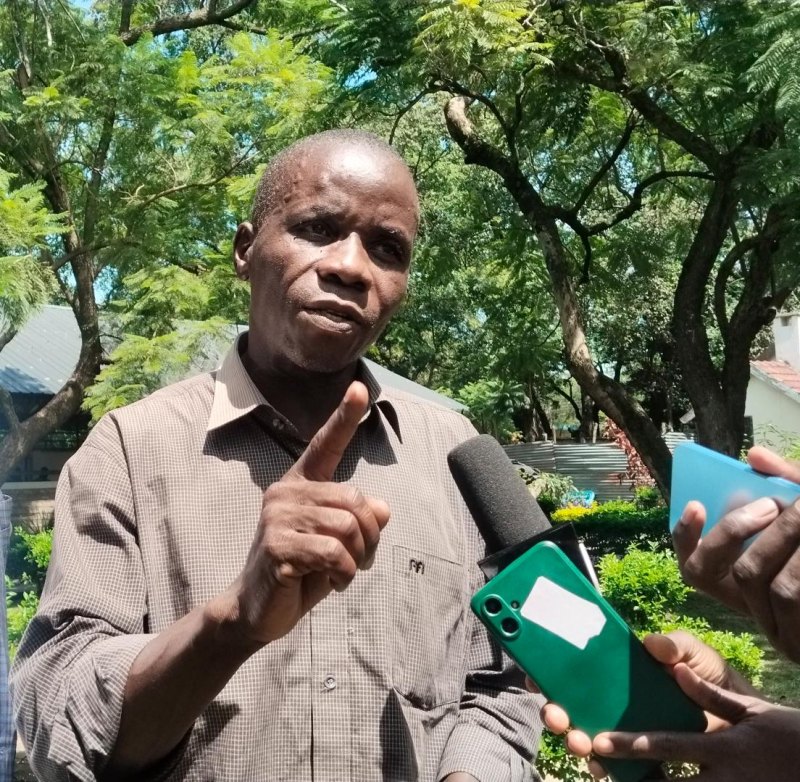
 Former Interior CS Fred Matiang'i / FILE