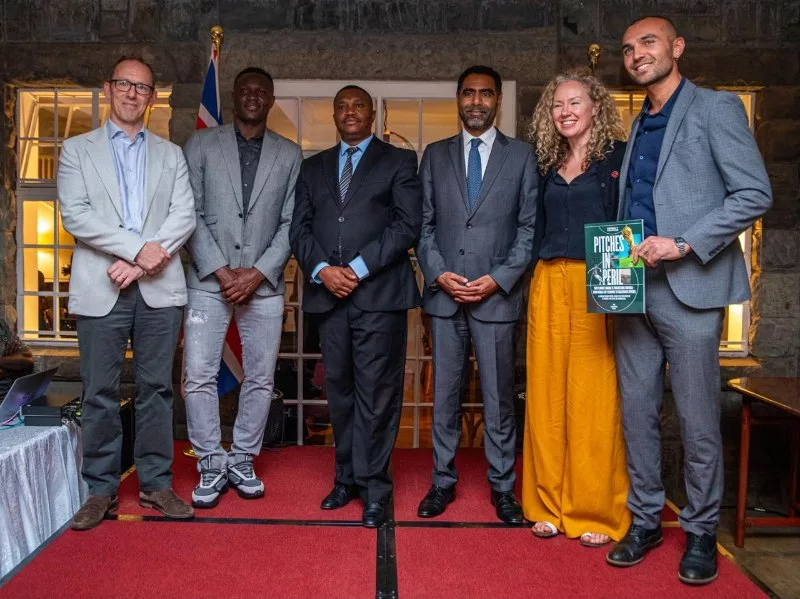
 From right to left: Elliot Arthur - Worsop, Founder, Football for future; Karen Poore, Country Director DanChurchAid; Hussein Mohammed, President, Football Kenya Federation; Elijah Mwangi CBS, Principal Secretary, State Department for Sports Ministry of Youth Affairs and Creative Economy; Victor Wanyama - professional footballer; Matt Baugh, British High Commissioner at the Pitches in Peril Watch party, hosted by the British High Commission Nairobi/HANDOUT
If you grew up in an African home as I did, football was rarely just a game. It was a language.
Some of my earliest memories are of hearing names like Cristiano Ronaldo, Wayne Rooney and Pepe being debated passionately in living rooms, barber shops and neighbourhood streets.
I was too young to fully understand tactics or league tables, but I understood the excitement. Football was one of the few conversations that could bring together children, parents, grandparents and strangers.
Then came the moment when Kenya had football heroes of its own making headlines beyond our borders. Seeing players like McDonald Mariga and Dennis Oliech become global names felt like a collective victory.
Their success permitted young people to dream bigger and reminded communities that talent from our neighbourhoods could reach the world stage.
That is the power of football. It has always been about more than goals and trophies. It creates belonging. It builds community. It gives young people purpose, gives older generations shared memories, and gives entire neighbourhoods something to rally around.
Across Africa, football pitches are classrooms, community centres and gathering places rolled into one. They are where friendships begin, confidence is built, and futures are imagined.
Which is why the growing threat climate change poses to these spaces should concern all of us not only as football fans, but as people who understand what these pitches represent for our communities.
Long before a player steps onto a World Cup stage, their journey usually starts on a local pitch. These spaces are more than sporting facilities. They are community hubs where young people learn teamwork, discipline, leadership and resilience.
They offer opportunities for physical activity, social connection and personal development. For many communities, particularly those facing economic challenges, they provide a vital alternative to isolation and vulnerability.
This reality sits at the heart of the new documentary Pitches in Peril: Mathare 4A by UK not-for-profit Football for Future and Danish Humanitarian organisation DanChurchAid, which tells the story of how severe flooding affected one of Nairobi’s most important grassroots football spaces.
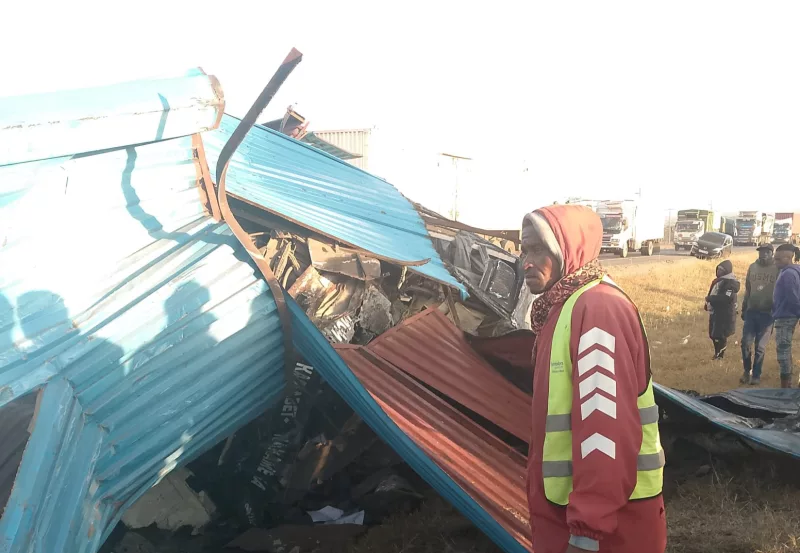
The documentary focuses on the 2024 floods that swept through Mathare, damaging homes, claiming lives and leaving the community’s football pitch underwater.
The story of Mathare is not only about a football pitch. It is about what happens when climate impacts disrupt the places that hold communities together.
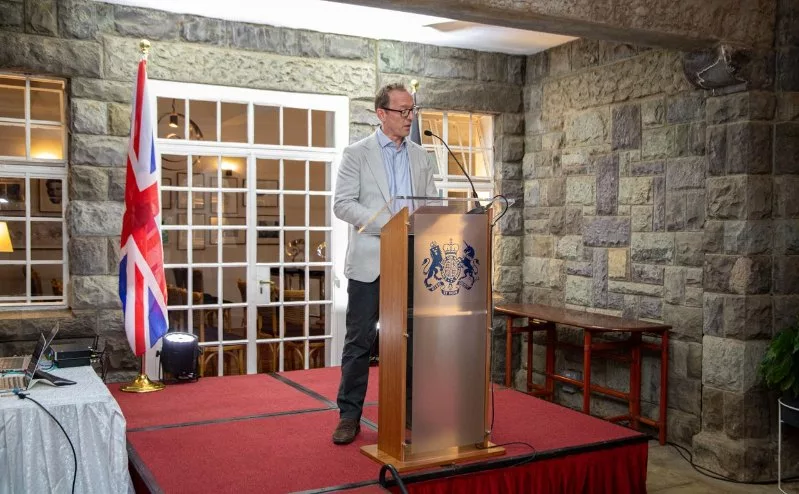 Matt Baugh, British High Commissioner/HANDOUT
According to climate modelling conducted for the project, extreme rainfall is already capable of making grassroots pitches in Mathare unplayable. Looking ahead, the risks become even more pronounced.
By 2100, rainfall during major storms affecting Mathare could be 68 percent higher than current levels.
Heat stress is projected to double by 2040, while rising temperatures could create up to 17 days each year when extreme heat disrupts football activity.
Water stress is also expected to increase significantly, creating additional challenges for maintaining community sporting facilities.
These projections represent potential future scenarios rather than certainties. However, they highlight a growing reality: climate change is beginning to affect the infrastructure that communities rely on every day.
For football fans, the immediate concern may be elite competitions and international tournaments. Yet the greater risk may be what happens at the grassroots level.
If local pitches become increasingly vulnerable to flooding, extreme heat or water shortages, the impact extends far beyond sport. Communities lose gathering spaces. Young people lose opportunities. Social connections weaken.
As professional footballer Meshack Ochieng explains in the documentary, pitches like Mathare 4A are where many young people first find purpose, build friendships and develop belief in themselves. When extreme weather damages those spaces, it is not only football that suffers. It is an opportunity in itself.
Why AFCON 2027 Matters beyond Football
East Africa’s preparations to host the 2027 Africa Cup of Nations present a unique moment to rethink what a sporting legacy can look like.
Major tournaments often focus on stadium construction, tourism and economic returns. Those investments matter. But there is an opportunity to think more broadly about legacy.
What if hosting AFCON also meant strengthening the grassroots facilities that nurture future talent? What if investments in football infrastructure included climate adaptation measures that help pitches withstand flooding, manage heat and remain accessible to communities?
The documentary screening hosted by the British High Commission in Nairobi brought together climate experts, football leaders and government representatives specifically to explore this question. Their discussions centred on how climate adaptation could become part of AFCON’s lasting contribution to the region.
This approach reflects a wider shift in thinking. Adaptation is often discussed through technical frameworks and policy documents.
Yet for many communities, adaptation is far more tangible. It can mean protecting a school, safeguarding a water source, strengthening housing or ensuring that a football pitch remains usable for the next generation.
A Global Challenge with Local Consequences
Mathare’s experience is not an isolated case.
The broader Pitches in Peril analysis found that 14 of the 16 stadiums associated with the 2026 FIFA World Cup had already exceeded safe-play thresholds for at least three major climate hazards in 2025, including extreme heat, flooding and unplayable rainfall.
The significance of this finding extends beyond professional sport. It highlights how climate impacts are increasingly intersecting with cultural institutions that communities care deeply about.
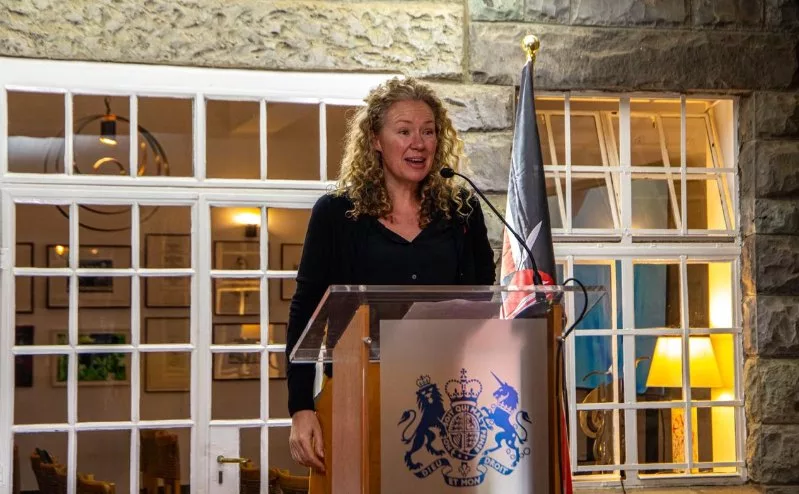 Karen Poore, Country Director, DanChurchAid/HANDOUT
Football occupies a unique place in society. It reaches audiences that climate discussions sometimes struggle to engage.
It creates emotional connections that statistics alone cannot. It offers a shared language capable of bringing people from different backgrounds together around common challenges.
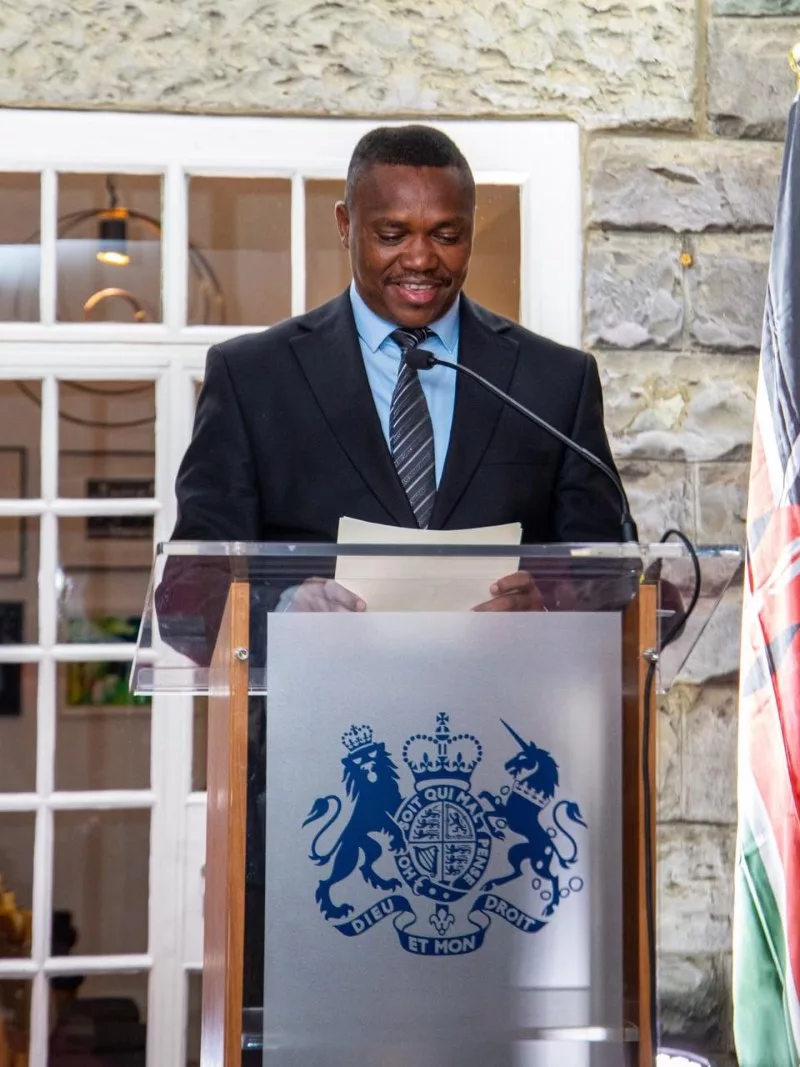 Elijah Mwangi CBS, Principal Secretary, State Department for Sports, Ministry of Youth Affairs and creative economy/HANDOUT
As Africa prepares for AFCON 2027 and as global attention continues to focus on football through events like the World Cup, there is an opportunity to broaden the conversation.
Investment in sport should not only be about elite competition. It should also be about safeguarding the community infrastructure that makes those competitions possible in the first place.
The call to action is straightforward. Policymakers can integrate climate resilience into sports infrastructure planning. Football associations can champion adaptation alongside talent development.
Community organisations can advocate for local facilities that are built to withstand future climate risks. Supporters can use their voices to encourage both sporting and political leaders to recognise what is at stake.
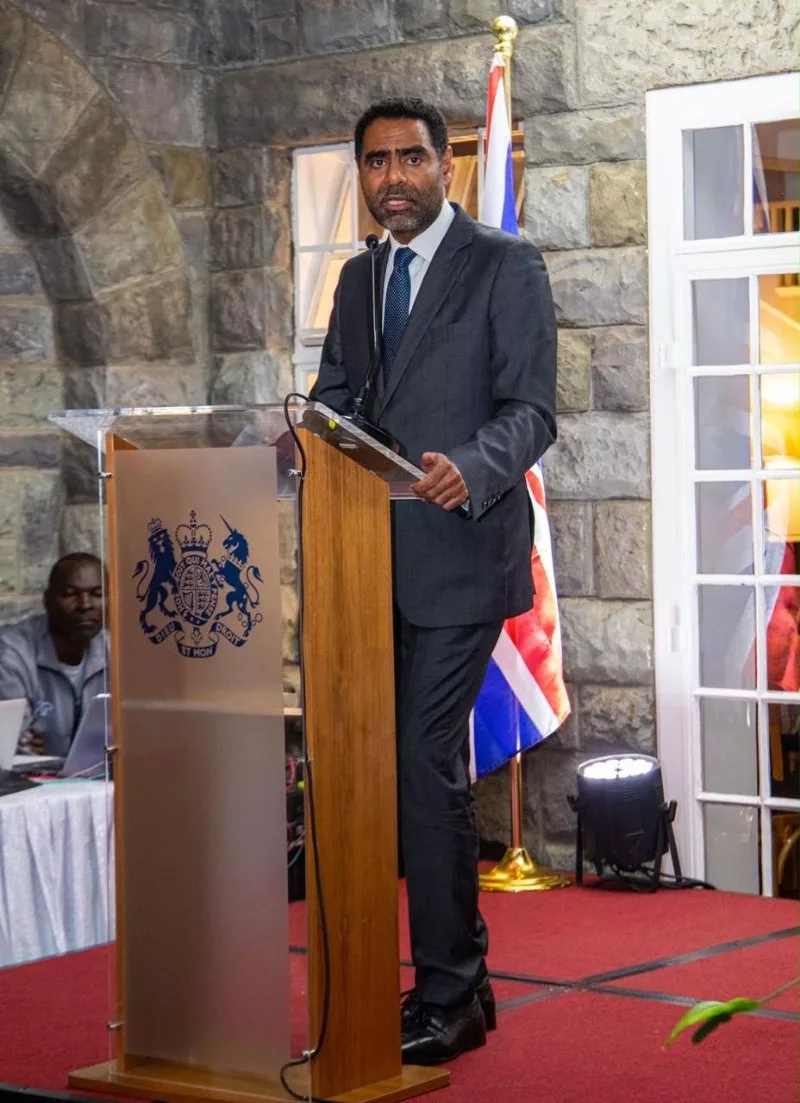 Hussein Mohammed, President, Football Kenya Federation/HANDOUT