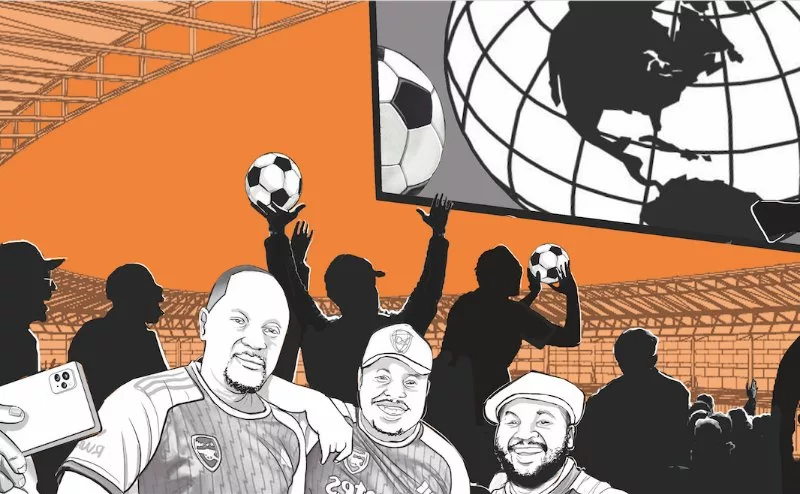
When Kenyans gather in estates, bars, university hostels and
living rooms to cheer Manchester United, Arsenal, Chelsea, Liverpool, Real
Madrid, Barcelona, Brazil, Argentina, England or France, they are not merely
watching football. They are participating in global politics without calling it
so.
A foreign football jersey in Nairobi can say more about international relations than a diplomatic note. It tells us whose leagues dominate our screens, whose players shape our imagination, whose sponsors enter our markets and whose flags our children recognise before they know their own local clubs.
Cheering foreign teams in Kenya should therefore be understood as a foreign relations tool. It is not official diplomacy, but cultural diplomacy: soft power entering Kenyan homes through television, betting apps, social media, replica shirts, streaming platforms and weekend emotions.
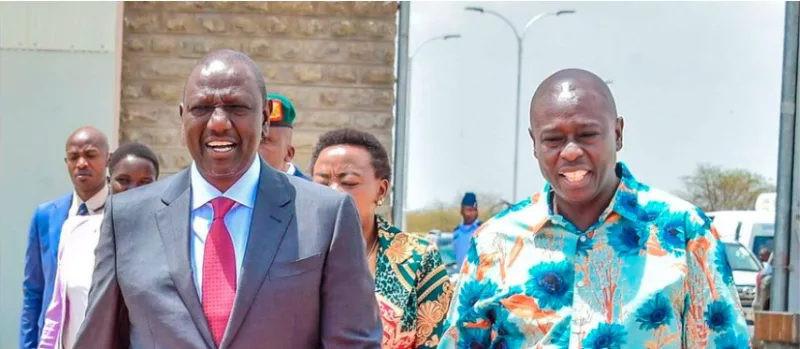
This became clearer after Arsenal’s Premier League triumph sparked massive celebrations in Kenya. President William Ruto, an open Arsenal supporter, invited the team to visit Kenya after seeing the scale of jubilation by local fans.
That invitation was not just football excitement. It was sports diplomacy. It recognised that a foreign club had built a real emotional constituency in Kenya – one strong enough to attract presidential attention and possibly become a bridge for tourism, branding, youth engagement and commercial partnerships.
The 2026 FIFA World Cup in the United States, Canada and Mexico makes this debate more urgent. The tournament is not just 90 minutes on the pitch. It is tourism, broadcasting rights, security, visas, advertising, national branding and investment. It turns host countries into global stages and fans everywhere, including Kenyans, into participants in a wider political economy.
Sports now moves money, identity and diplomacy. When a Kenyan pays for pay-TV, buys a foreign club jersey, places a bet on a European match or follows an overseas player online, that fan joins a global value chain. The money is spent locally, but much of the emotional and commercial benefit travels abroad.
This does not mean Kenyans are wrong to love foreign teams. Football is human. People support clubs because of beauty, history, players, family influence, media exposure and the desire to belong. A young person in Eldoret, Kisumu or Mombasa may support Arsenal or Manchester United because the club gives them joy, language and community. That should not be mocked.
But we must ask: why do foreign teams command more loyalty, money and attention than many Kenyan clubs? The answer lies partly in colonial history, media power, weak local sports governance and the global commercial machine of football.
Politically, foreign football fandom reveals the unfinished business of post-colonial identity. Kenya gained political independence, but its cultural imagination remains tied to former imperial centres and global media powers.
English football benefits from language, colonial history, broadcasting reach and aggressive marketing. Britain does not need to send diplomats to every Kenyan living room; the Premier League already arrives there every weekend.
Socioeconomically, the impact is mixed. Foreign football creates jobs through viewing joints, sports journalism, betting, merchandise, hospitality and digital content.
At the same time, it can drain attention and money from local clubs, women’s teams, community sport and youth academies. We consume the global game passionately, but we have not built a strong enough local sports economy to benefit fully from that passion.
This is where law and policy matter. The 2010 constitution recognises culture as part of national identity and protects participation in cultural life. It also gives counties responsibility over sports and cultural activities and facilities. The Sports Act 2013 provides for sports development, regulation, institutions, facilities, administration and management.
Parliament must therefore ask whether betting taxes are transparently reinvested in local sport, whether federations are accountable, whether athletes are protected from exploitation and match-fixing, and whether women’s sport receives fair funding and media attention. It must also support counties to build and maintain sports facilities.
Kenya should treat sports fandom as a diplomatic resource. Can foreign clubs partner with Kenyan academies? Can counties build serious sports infrastructure? Can Kenyan embassies use athletics, football, rugby, volleyball and traditional games as cultural diplomacy?
We should not condemn Kenyans for cheering foreign teams. Instead, we should build Kenyan sport until it is also worth cheering for. Let a child wear an Arsenal shirt if they wish, but let that child also know Gor Mahia, AFC Leopards, Shabana, Tusker, Harambee Stars, Harambee Starlets and the athletes who carry Kenya’s flag.
Football is more than a game. It is identity, money, diplomacy and power. Foreign teams have already entered Kenya’s heart. The task now is to make sure Kenya also enters the global sports economy with strategy, confidence and ownership.
Scholar-diplomat and expert in foreign and security policy based at Moi University, Eldoret |[email protected]





![[PHOTOS] Elderly brave cold to vote in Ol Kalou](https://cdn.radioafrica.digital/image/2026/07/d2345b9e-578f-45ff-9bb0-d7819671c165.webp)