


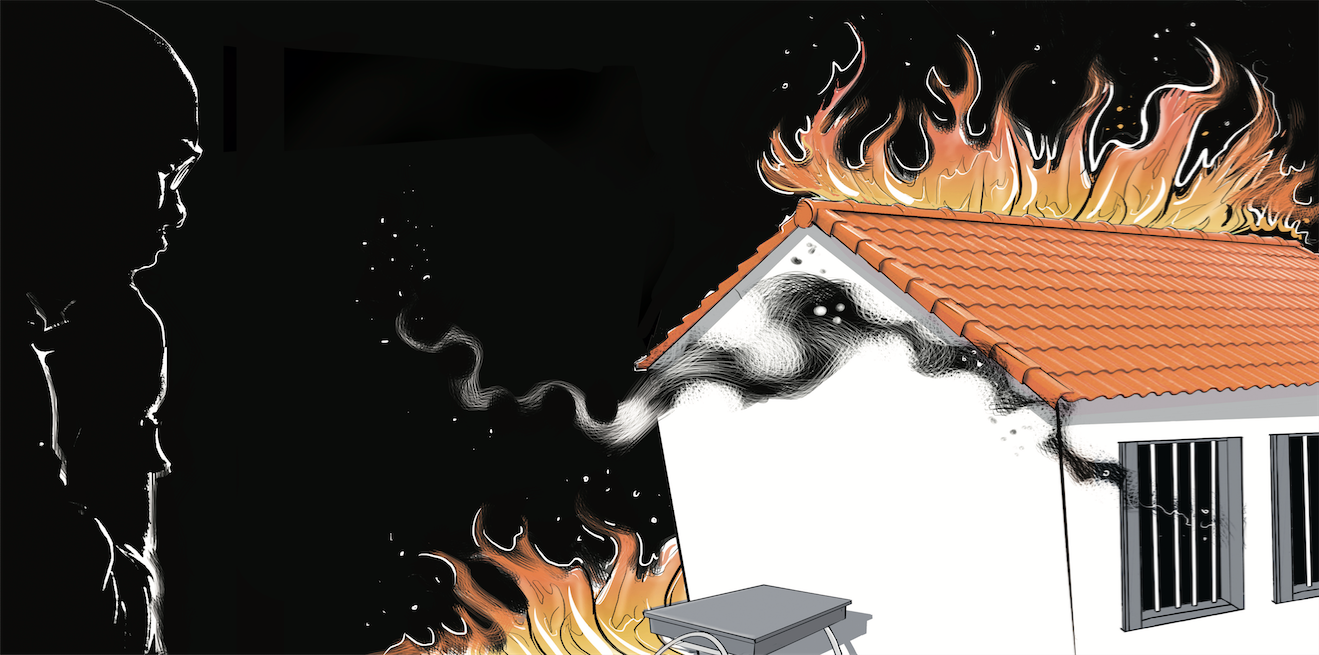
Sixteen girls asleep. A pre-dawn fire. A locked emergency exit. By sunrise, 16 young lives were gone, 79 were injured and a nation was mourning. The fire at Utumishi Girls Academy in Gilgil on May 28, 2026, is not an isolated horror. It is the latest in a wave of arson and unrest sweeping boarding schools across Kenya.
But this is not merely a story of government failure. It is a story of shared responsibility, and it demands a collective response from every stakeholder—government, school administrators, teachers, parents, students and the wider community.
Let us first acknowledge what the government has done or is doing. After Utumishi, the government acted swiftly: the school’s board was disbanded, teachers who ignored warnings and the suspected students involved are facing legal consequences and security chiefs met urgently.
Following the 2024 Endarasha fire that killed 21 students, the Ministry of Education launched a safety audit that closed nearly 350 unsafe schools. More recently, the ministry issued a 16-point directive mandating immediate decongestion of dormitories, 24-hour CCTV with centralised monitoring, frisking of returning students, bans on joint mock exams that encourage overnight stays and a nationwide safety assessment.
These are real, commendable steps.
The government has also provided the tools for long-term safety. The Safety Standards Manual for Schools (2008) lays out clear requirements: dormitories must have two doors at each end, an emergency exit in the middle, windows without metal grilles and doors that open outwards—never locked when learners are inside. Firefighting equipment, alarms, regular drills and round-the-clock supervision by matrons and wardens are mandatory.
The 2017 Claire Omollo Task Force made 68 detailed recommendations, including age limits for boarding schools and standardised dormitory construction. The government has embraced these frameworks. Now, the missing piece is not policy—it is full implementation by everyone involved. A manual on a shelf does not save lives. The tools exist; the will to use them consistently remains the gap.
That implementation begins with the daily relationship between a student and a teacher. Too often, that relationship is marked by fear, not safety. Students who feel unheard, humiliated or harshly disciplined rarely report grievances—or looming threats. Teachers overwhelmed by large classes and with no training in conflict resolution may dismiss warning signs as mere teenage drama. A student who sets fire to a dormitory is a criminal, but a student who reaches that point has almost always signalled distress long before.
Restoring student-teacher relationships means training teachers to listen, creating anonymous reporting channels and ensuring every child has at least one trusted adult. This is not soft; it is preventive. The government has called for communicative leadership in its 16-point directive. Now schools must answer that call.
So what must each of us do now? The government must continue building on its strong foundation: enforcing mandatory biannual inspections, leading a national conversation on school reforms and ensuring the 16-point directive is fully resourced. School administrators must implement what is already policy—unlock exits, instal CCTV, enforce dormitory caps and replace corporal punishment with restorative justice.
Parents must stay engaged; a child in boarding school
remains your child first. Students must reject violence—setting a fire that
kills sleeping classmates is a crime, not rebellion. And the community must
break its silence: every adult who hears a threat and does not report it shares
the blame.
The government has done its part, disbanding boards, declaring mourning, issuing directives, closing unsafe schools and publishing safety manuals. But a locked exit is a school’s failure. A student who resorts to arson is a failure of the adult who would not listen, the teacher who looked away and the absent parent.
The dormitories are burning. The children are dying. The government has sounded the alarm and provided the blueprint. Now, teachers, boards, parents, students, and communities must answer the call. Let this moment be remembered not for blame but for a collective rise to the occasion. The next tragedy is not inevitable—unless we all decide it is someone else’s problem.
Strategic adviser and expert in leadership and governance













![[PHOTOS] The Star, Chinese Embassy host Kenya-China media dialogue](https://cdn.radioafrica.digital/image/2026/06/215e29cd-5ca2-4faf-bb4e-d1686b2c3dad.jfif)