When we talk about infrastructure in Africa, we speak confidently about roads, ports, power grids and digital networks. Governments budget for them. Development banks finance them. Policy makers debate their efficiency, scale and return on investment. There is broad consensus that without infrastructure, there can be no meaningful economic growth.
Yet there is one form of infrastructure we continue to overlook, underfund and undervalue: nature.
This omission is not just an environmental blind spot. It is one of the most consequential gaps in Africa’s development thinking.
Forests regulate rainfall and store carbon. Wetlands protect biodiversity and buffer water systems. Healthy landscapes sustain agriculture, energy security, public health and economic productivity. Oceans and freshwater ecosystems support livelihoods and food systems for millions across the continent. These are not scenic amenities. They are functional systems that underpin entire economies.
In reality, nature is infrastructure. And when it degrades, the systems it supports collapse with it.
This is the urgent reminder embedded in World Environment Day 2026, observed on June 5 under the theme Inspired by Nature, For Climate, For Our Future. It is a call to move beyond symbolism and treat nature not as a conservation luxury, but as an economic necessity.
Across Africa, climate change is already reshaping development trajectories. Droughts, floods, land degradation, biodiversity loss and water insecurity are no longer distant projections. They are lived realities affecting food systems, disrupting livelihoods and straining public resources. What was once framed narrowly as an environmental issue has become a central economic and governance challenge.
The consequences are measurable: reduced agricultural yields, rising food insecurity, pressure on health systems, and growing fiscal burdens on governments responding to climate shocks. In this context, environmental degradation is not separate from development failure—it is part of it.
Yet within this crisis lies a significant opportunity.
The transition toward low-carbon, climate-resilient economies is opening space for innovation, green enterprise, job creation and more inclusive forms of growth. Across the continent, clean energy solutions such as solar power, improved cookstoves and energy-efficient technologies are already transforming household economies and small businesses.
These changes are practical and immediate. Lower energy costs, reduced exposure to indoor air pollution, and improved reliability of power for micro and small enterprises are not abstract benefits. They directly affect productivity, health and income.
What is emerging is a broader systems shift—where energy access, climate resilience, health outcomes and economic productivity are increasingly interconnected rather than treated as separate policy domains.
However, scaling this transition requires more than technology. It demands a fundamental shift in how we finance and structure development. Environmental stewardship must be integrated with economic empowerment, skills development and access to markets so that conservation becomes a viable livelihood rather than a sacrifice.
No single actor can deliver this transformation alone. Governments, development partners, private sector actors, philanthropic institutions and local communities must work in coordinated partnerships. Blended finance, innovation ecosystems and targeted investment in green sectors will be essential to unlocking scale.
At its core, sustainability is about people.
It is about farmers who can access climate-smart agriculture and fair markets. It is about entrepreneurs building businesses within the green economy. It is about communities accessing clean water, reliable energy and dignified livelihoods. It is about restoring degraded ecosystems while creating economic value that sustains their protection. And it is about ensuring that future generations inherit a planet capable of supporting life, prosperity and dignity.
As we mark World Environment Day 2026, the choice before us is increasingly clear. We can continue treating nature as an externality to development, or we can recognise it as what it truly is: the foundation upon which all development depends.
Africa’s forests, rivers, wetlands and oceans are not peripheral to growth. They are its precondition.
The question is no longer whether we should invest in nature as infrastructure. It is whether we can afford not to.
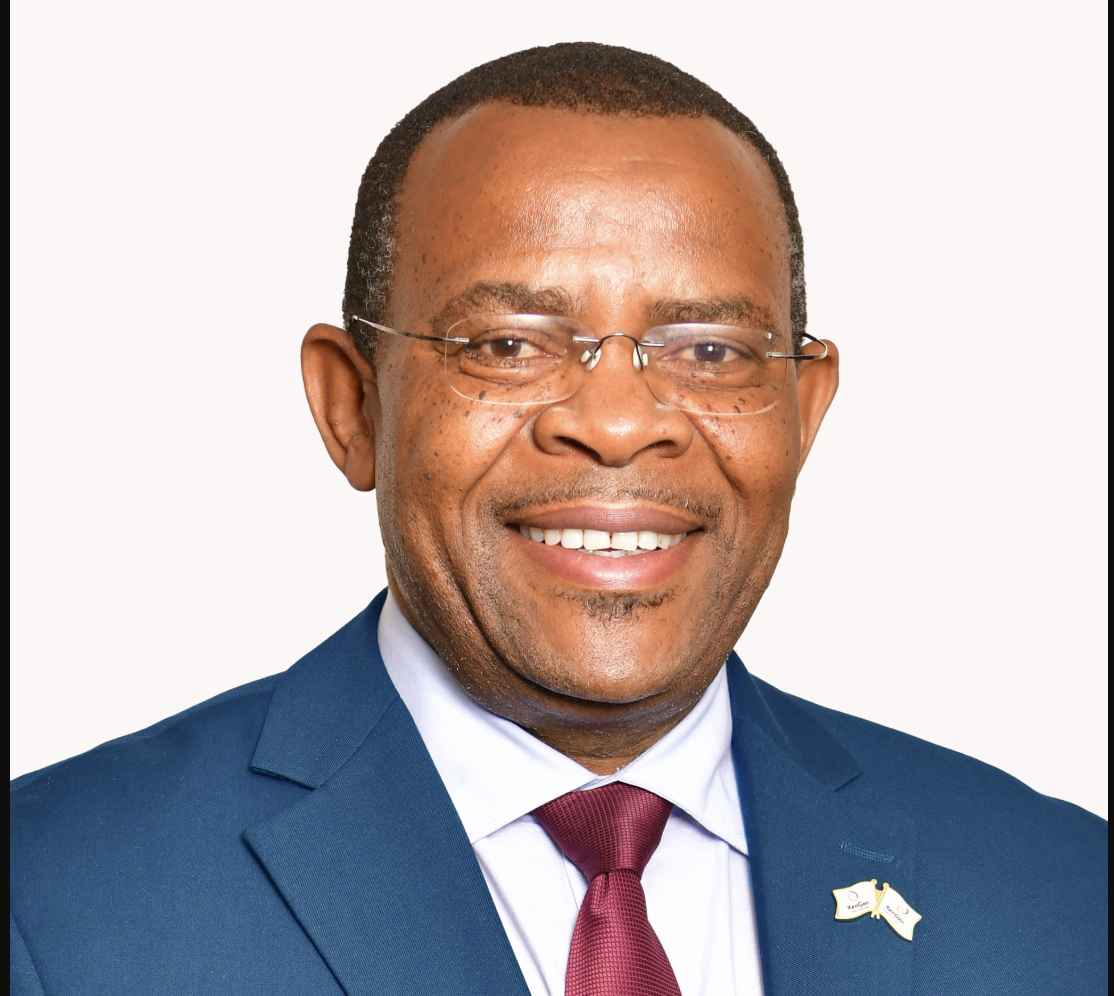
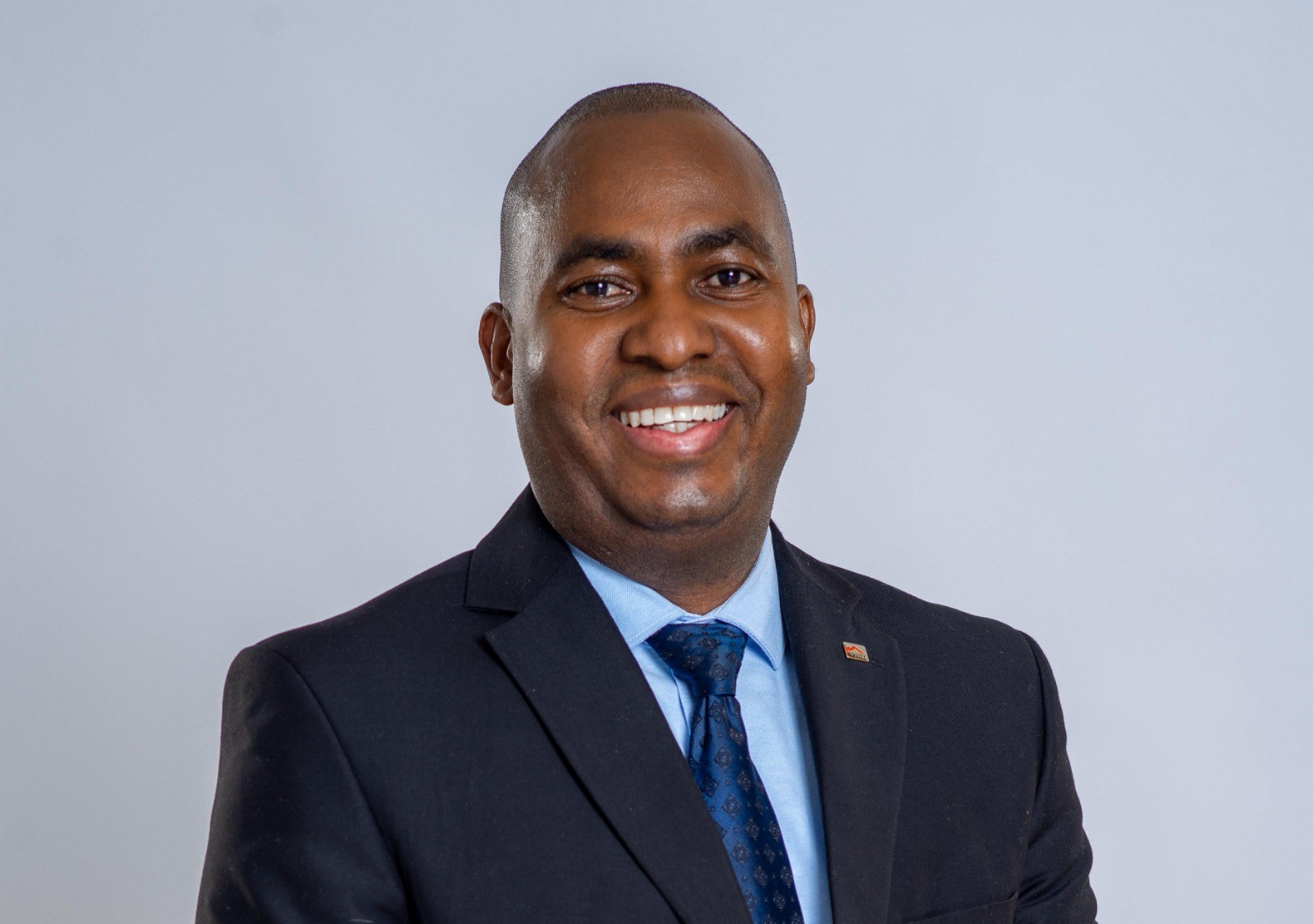
Julius Kamau, EBS Associate Director – Energy, Environment & Climate Change, Equity Group Foundation




![[PHOTOS] Red carpet in Pretoria as Ruto begins South Africa visit](https://cdn.radioafrica.digital/image/2026/06/abe3e750-6e5a-4394-a45c-899768be6240.jpeg)