 Nasra Sahal Ibrahim/FILE
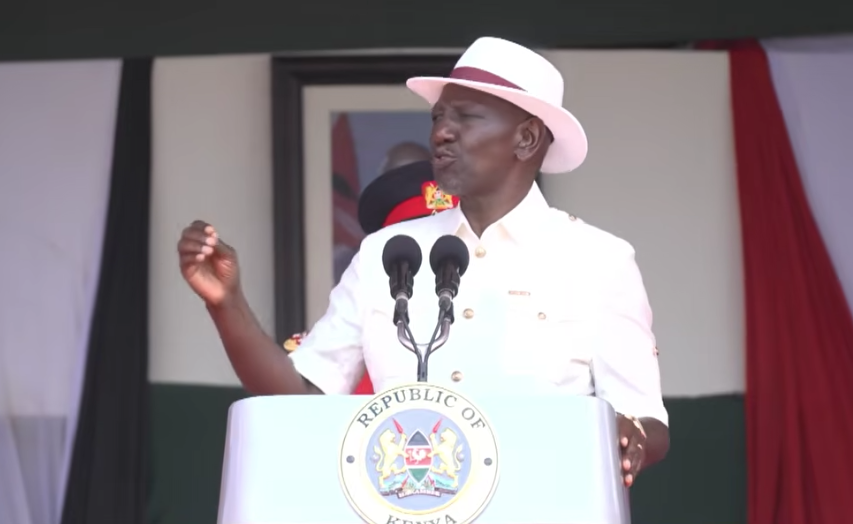
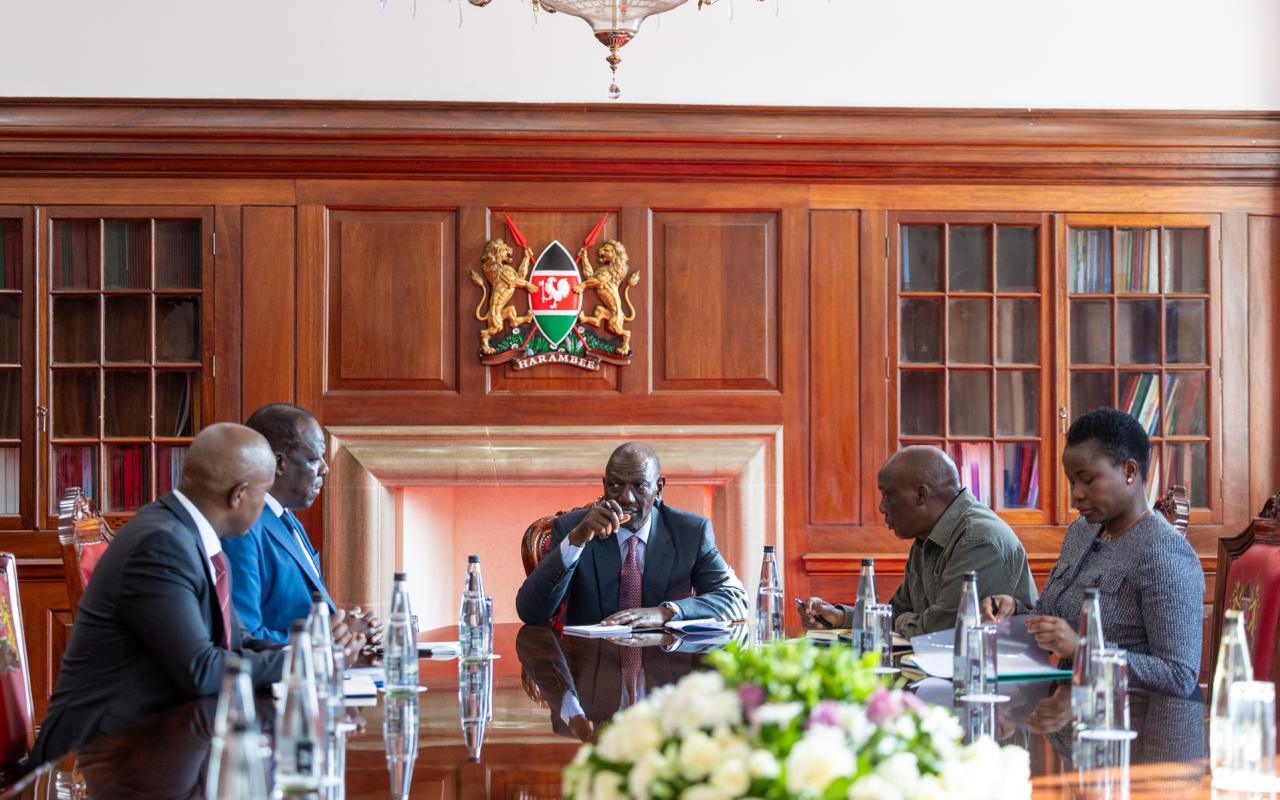
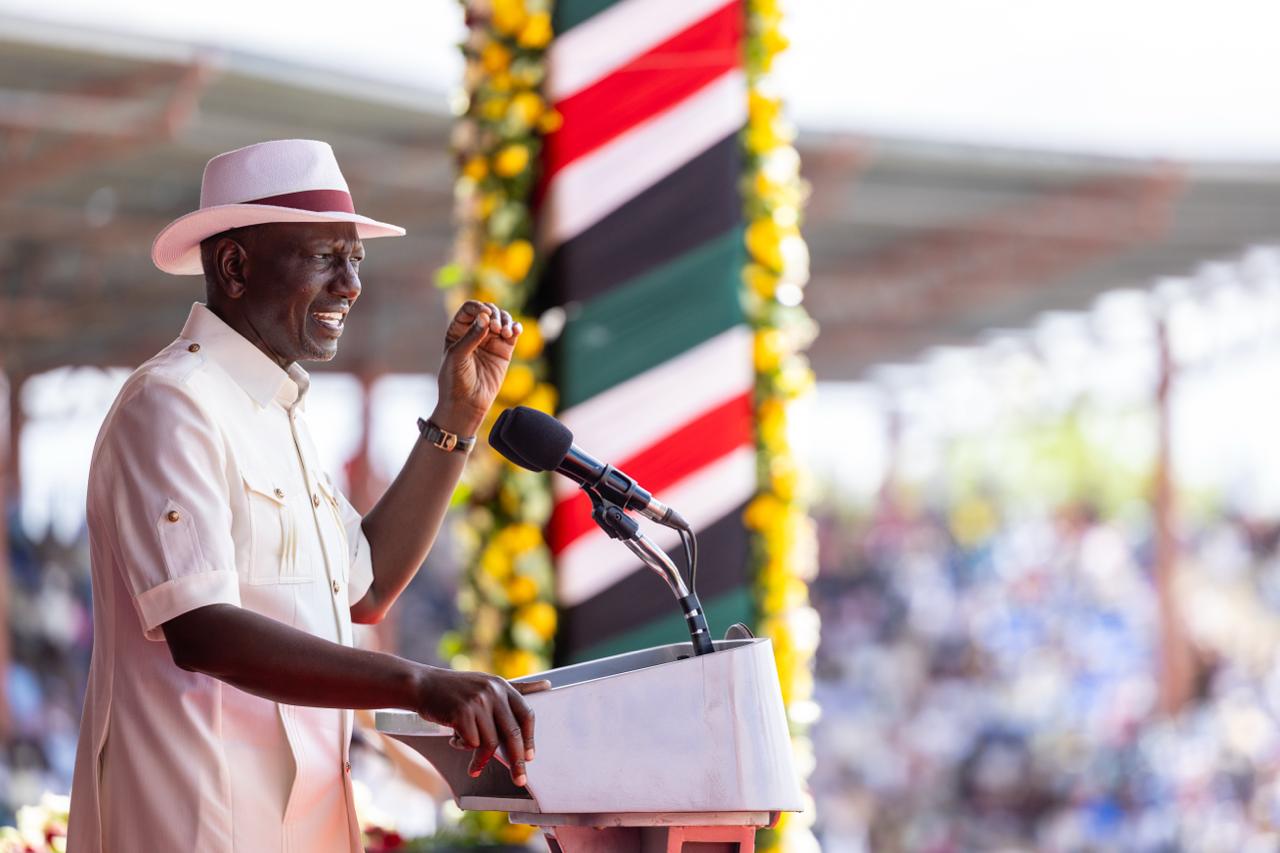
I have taken time to reflect on President William Ruto's recent visit to Wajir County, which culminated in the hosting of the 63rd Madaraka Day celebrations. In my view, this was an important moment that will be remembered as a major step in Northern Kenya's development.
For many years, Northern Kenya has faced challenges caused by historical neglect. The region has lagged in roads, water supply, healthcare services, and economic opportunities. However, we are seeing positive changes today. The President’s visit showed a clear commitment by the government to focus on areas that have long been left behind.
The projects launched and commissioned during the visit are evidence of this commitment. The newly built Ahmed Khalif Stadium is more than just a sports facility. It represents inclusion, recognition and respect for the people of Wajir and Northern Kenya. It will help promote sports, culture, and youth development in the region.
Improvement of roads across the county is also a major achievement. Roads connect people to markets, services, and opportunities. For pastoral communities, better roads mean easier livestock trade, improved security and stronger links to the rest of the country. The benefits are already beginning to be felt.
The planned State Lodge in Wajir Town is another important development. It shows the government's intention to bring leadership and services closer to the people. It sends a message that national leadership belongs to all Kenyans not only those in Nairobi.
As Chairperson of NWWDA, I would also like to highlight the importance of water infrastructure. Water is one of the most important resources for the development of Northern Kenya. Without a reliable water supply, progress in agriculture, health, settlement, and industry becomes difficult.
The visit also had important political and social significance. As Kenya moves closer to the 2027 General Election, Northern Kenya is becoming more visible in national discussions. The presence of senior leaders and the delivery of development projects are helping to change the long-standing feeling of neglect in the region.
Many residents have expressed renewed hope and confidence. People have noted major improvements in roads and connectivity, which have changed the face of Wajir. There is a growing feeling that development is finally reaching communities that were overlooked for many years.
The warm reception given to the President reflected appreciation for these ongoing efforts. Many residents believe that development is being shared more fairly across different parts of the country. This has strengthened trust in government and promoted a stronger sense of national unity.
More broadly, these developments reflect a Kenya that is working toward fairness and equal opportunities for all regions, whether in Nyanza, the Coast, Northern Kenya, or Central Kenya.
I believe development is the strongest form of political engagement. People may forget speeches, but they remember the roads they use, the water they access, the hospitals that serve them, and the opportunities that improve their lives. The President’s visit to Wajir was therefore more than a symbolic event. It helped build trust, strengthen partnerships, and lay the foundation for long-term development.
As we approach 2027, I hope that this progress will continue and become even stronger. Northern Kenya should not receive attention only during political seasons. It should remain a permanent priority in the country’s development agenda. The success of the Wajir visit shows what can be achieved when strong leadership is combined with fair and inclusive development.
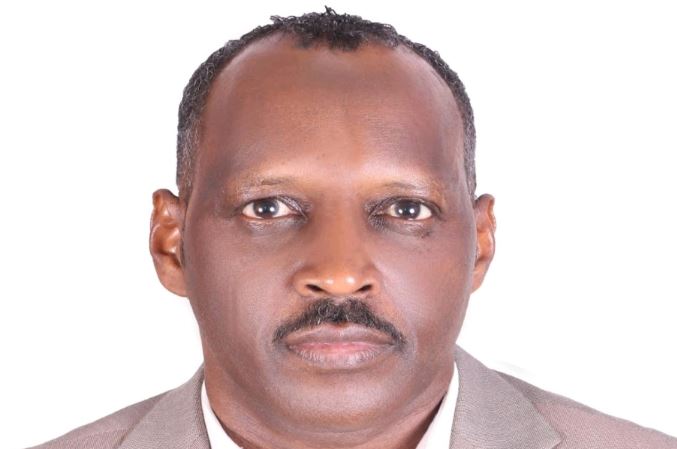
Chair of the Northern Water Works Development Agency (NWWDA), former MP, spoke to The Star