

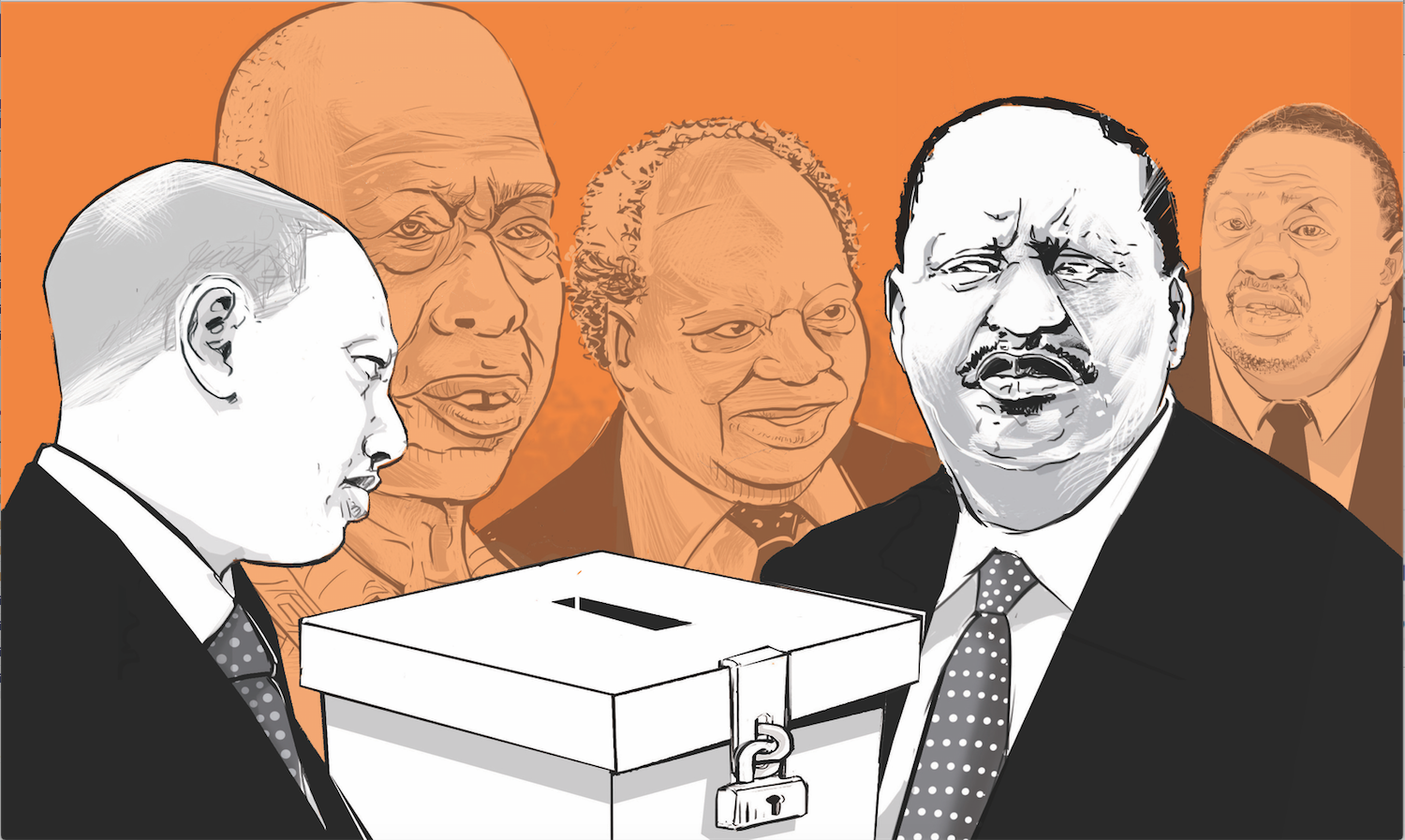
The tragic irony of Kenya’s politics today is that political parties, the supposed custodians of democratic practice, are themselves run in the most undemocratic manner imaginable.
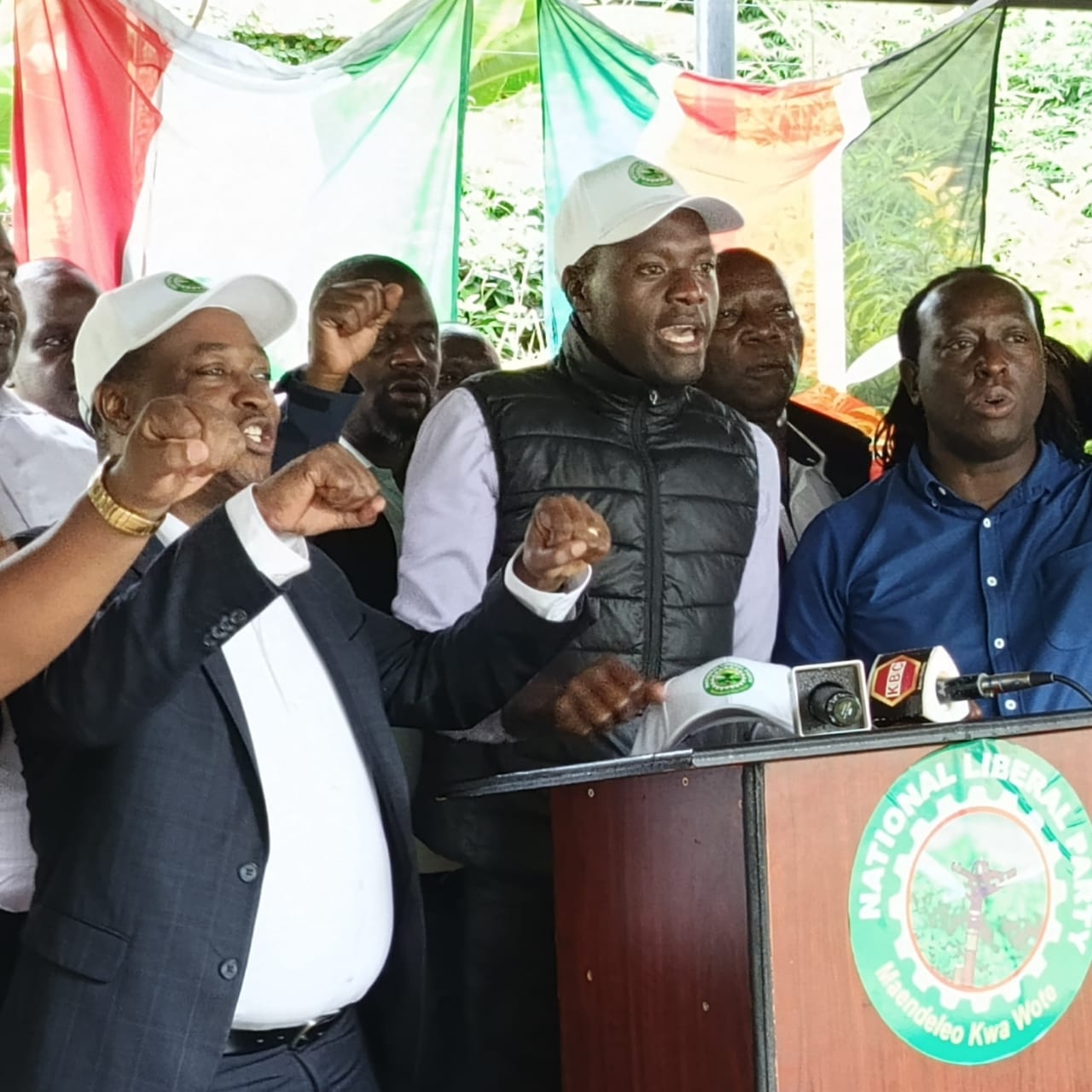
Instead of embodying constitutionalism, transparency and internal democracy, political parties in Kenya operate as ethnic conclaves where one individual becomes a law unto themselves, dictating decisions, approving appointments, disciplining members and manipulating structures to protect their personal interests and political survival.
Across party lines, the story is depressingly similar. Party constitutions are treated as optional suggestions rather than binding documents. Internal elections are rarely held on schedule. Critical organs such as National Delegates Conferences are convened only when politically convenient and, in most cases, never convened at all.
Party rules and laws are violated with impunity as long as the so-called 'party leader' is served. What Kenyans are witnessing is not the growth of democratic institutions but the entrenchment of ethnic fiefdoms.
No party demonstrates this better than the Orange Democratic Movement with its recent, unconstitutional appointment of Oburu Oginga as party leader following the death of Raila Odinga. While ODM has long portrayed itself as a champion of democracy, transparency and governance reforms, its internal operations today tell a vastly different story.
The ODM constitution is explicit and crystal clear on what must happen when a party leader is no longer able to serve. Article 6.2.2 (b) of the constitution of the party states that:
"In the event that the Party Leader is unable to discharge his or her duties by reason of physical or mental infirmity, death, resignation or where he or she ceases to be a party member or a Member of Parliament, a special session of the National Delegates Conference shall be convened to elect a new Party Leader."
This provision leaves no room for interpretation, manipulation or political creativity. The only lawful way to replace a party leader is through a special session of the NDC, where delegates, who are the true owners of the party, can and should elect a new leader. This is the democratic safeguard that ensures legitimacy, transparency and accountability.
Yet since the passing of Raila, no National Delegates Conference has been convened. None. Therefore, under the plain reading and strict application of the ODM constitution, no new party leader exists. There is no ambiguity here: any individual claiming that title today does so without legal basis. Under the constitution of the party, Oburu's assumption of the office of party leader is therefore null and void.
ODM officials have attempted to justify the move by claiming that the National Governance Council has the power to appoint a party leader. This is false. It is deceitful. It is unconstitutional. The ODM constitution does not grant the NGC this power—not explicitly, not implicitly, not by extension and not by assumption.
The NGC cannot appoint a party leader because the constitution assigns that role exclusively to a special session of the NDC. To pretend otherwise is to undermine the very principles ODM claims to stand for.
If a party cannot respect its own constitution, how then can it claim the moral authority to demand respect for Kenya's national constitution? If a party disregards its internal democratic processes, how will it produce leaders capable of upholding the rule of law once in public office? These are not rhetorical questions. They cut to the heart of Kenya's democratic crisis.
When political parties become personal projects controlled by a handful of individuals, then the entire democratic process collapses. Elections cease to be about policy and governance and instead become contests of tribal mobilisation and personal loyalty. Parties become vehicles for patronage, not platforms for reform. The result is weak institutions, compromised leadership and a cycle of political toxicity that suffocates national progress.
If the political parties themselves are corrupt, undemocratic and contemptuous of their own constitutions, how can we expect them to produce leaders who will respect the Constitution of Kenya? If parties operate like private businesses, with no trace of accountability or rule of law, why should we expect better when their leaders assume public office?
Kenyans must begin asking the hard questions. We can no longer treat political parties as sacred cows whose internal affairs are beyond scrutiny. These institutions shape who becomes our president, governors, senators, women reps, MPs and MCAs. They determine the quality of governance and the integrity of our political system. When they fail, the country fails.
Kenyans must insist that political parties respect their constitutions, conduct regular elections, convene lawful delegates conferences and dismantle dynastic structures that entrench monopoly and entitlement. Only then can we hope to build parties that nurture leaders who respect the rule of law, not just in public but also within their own organisations.
Kenya deserves political parties that practice democracy, not just preach it. The time for unquestioning silence is over. The time for accountability is now.