Understaffing hampering service delivery at CDA, lawmakers say
25d agoCHARLES MGHENYICoast
The CPC believes that long-term stability and national rejuvenation depend on meeting the evolving needs of its citizens.


Audio By Vocalize
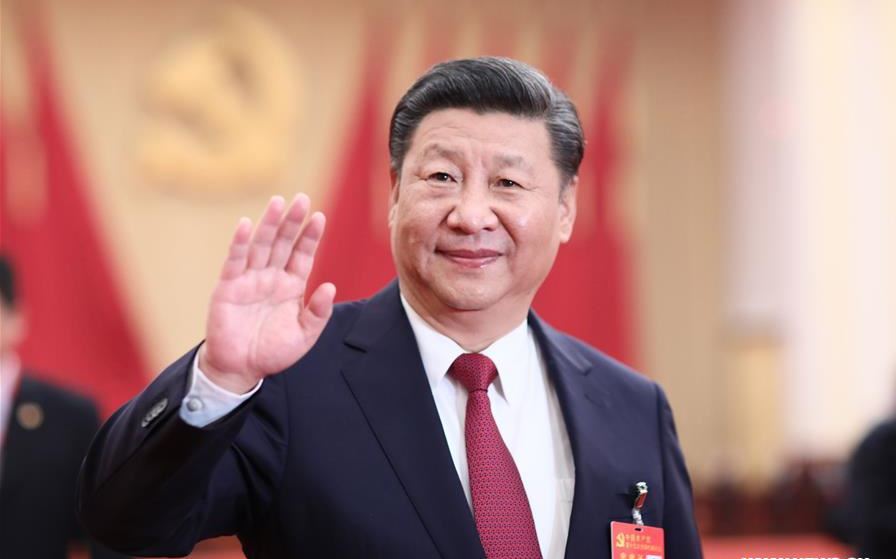
China has increasingly adopted a people-centred approach to governance as socialism with Chinese characteristics enters a "new era."
This strategy, proposed by the ruling Communist Party of China (CPC), aims to address rising public expectations, economic changes, and global uncertainties.
At the heart of this governance model is the idea that development should be judged not just by economic growth or GDP figures, but by the quality of life experienced by citizens in social, political, cultural, and environmental aspects.
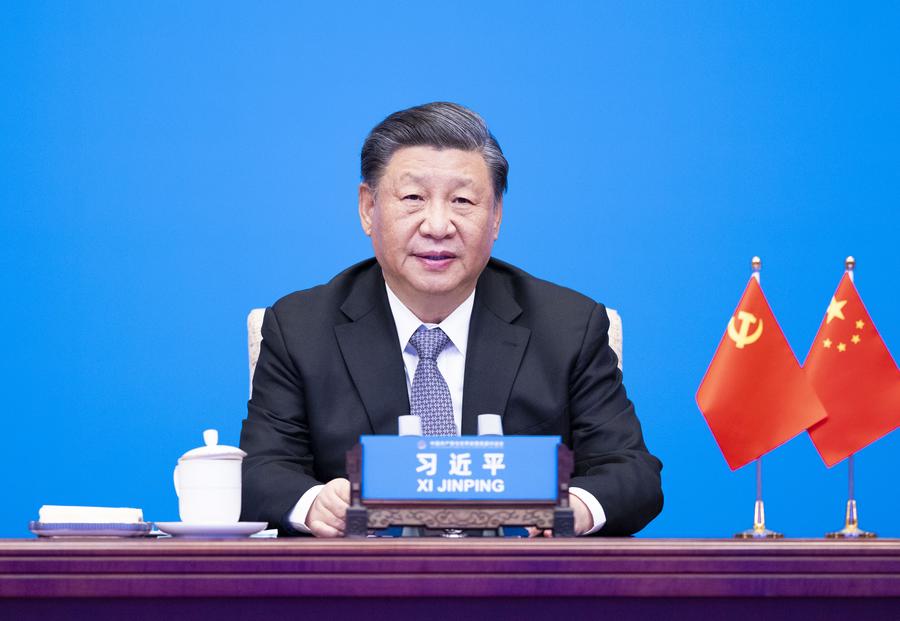
President Xi Jinping has consistently expressed this viewpoint as China goes through significant domestic changes and shifts in the global landscape.
In his report to the 19th National Congress of the CPC in 2017, Xi stated that "socialism with Chinese characteristics has crossed the threshold into a new era," marking "a new historic juncture in China's development."
This proclamation reflects a broader realignment in governance priorities following decades of rapid economic growth since China's reform and opening-up policy launched in 1978.
While China has become the world's second-largest economy and lifted hundreds of millions out of poverty, its leadership has also recognised increasing challenges such as regional inequality, environmental damage, uneven development, and the growing public demand for improved public services.
The CPC now identifies the main issue facing Chinese society as shifting from merely meeting basic material and cultural needs to addressing "the contradiction between unbalanced and inadequate development and the people's ever-growing needs for a better life."
This shift has become a key element of China's governance model. Under this framework, governance extends beyond economic planning to encompass broader social management and long-term national development.
One of the most evident aspects of the people-centred philosophy is the focus on improving livelihoods. Over the past decade, China has expanded pension systems for urban and rural residents, broadened medical insurance, strengthened unemployment protections, and introduced policies to support graduates and small business owners.
Reforms in housing, public healthcare, and social assistance have also accelerated, aiming to reduce social vulnerability and expand access to essential services.
The focus on social welfare has helped maintain domestic stability and public confidence during economic transitions. This model reflects the CPC's belief that political legitimacy is closely linked to tangible improvements in living standards.
China has also linked people-centred governance to law-based administration and public participation, with authorities creating more channels for public consultation in legislative and judicial processes, as well as enhancing legal protections for citizens' rights and interests.
The CPC believes that effective governance relies not only on institutional control but also on responsiveness to public concerns.
Xi has consistently underscored this principle, stating that "the people are the creators of history, and governance must ensure that the people live better lives."
Public security and social order are also crucial parts of this governance philosophy and Chinese authorities have promoted the idea of a "peaceful China," which includes crime prevention, community governance, and social management reforms.
Official data shows decreasing to non-existent rates of violent crime and major public safety incidents in recent years. Surveys conducted affirm this position often reporting high levels of public safety perception.
Environmental governance has become a central focus of the CPC's development agenda. After years of rapid industrialisation that resulted in severe pollution issues, Beijing has increasingly prioritised ecological protection as part of economic modernisation.
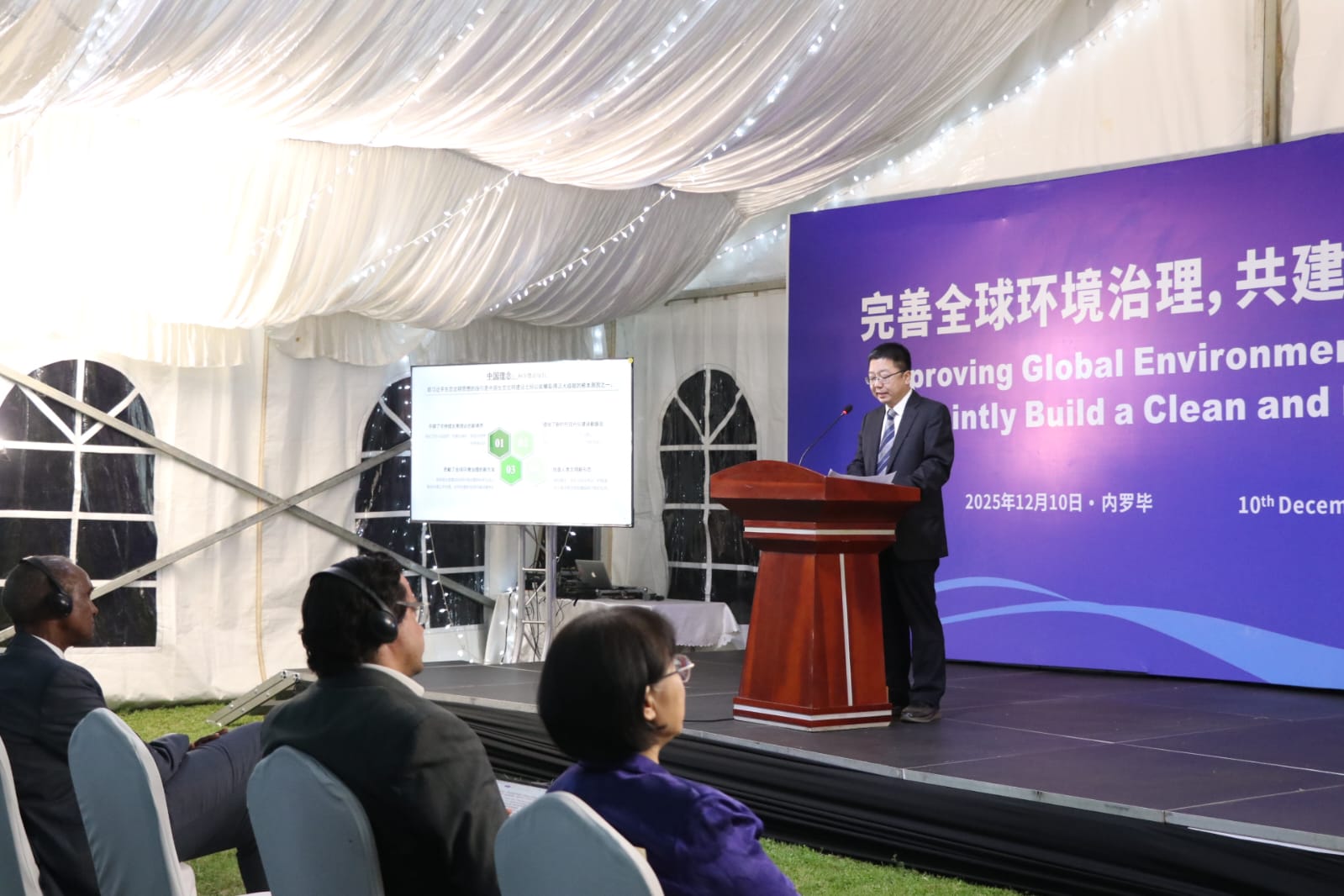
Policies aimed at addressing air pollution, reducing carbon emissions, protecting forests, and promoting cleaner industrial practices have intensified under the goal of building an "ecological civilisation."
The government has introduced stricter pollution controls, expanded national park systems, and encouraged regional cooperation to combat smog and environmental degradation.
Chinese policymakers assert that this represents a significant shift in China's development model from high-speed growth to high-quality development.
Cultural development is also an integral part of the governance framework and China has expanded public cultural infrastructure nationwide, including rural and remote areas, while increasing investments in broadcasting, community cultural services, and volunteer programmes.
The goal, according to policymakers, is to ensure that development encompasses not only economic growth but also access to cultural participation and national unity.
China's ruling party avers that the main strength of the people-centred governance model lies in long-term policy continuity and the state's ability to mobilise resources toward strategic national goals.
From poverty alleviation initiatives to infrastructure development and public health systems, the CPC advocates for coordinated governance as essential for maintaining stability in a country of over 1.4 billion people.
Critics question certain aspects of China's political system. However, the CPC maintains that governance effectiveness should ultimately be judged by outcomes like poverty reduction, social stability, economic resilience, and improvements in citizens' everyday lives.
China's "new era" thus signifies not only its domestic changes but also a redefinition of how governance and development are perceived globally. As Xi Jinping stated, the aim is for China, the world's second-largest economic power, to contribute more significantly to humanity.
The writer is a Nairobi-based current affairs commentator