The United States and the United Nations have signed a new
agreement aimed at overhauling how US-funded humanitarian assistance is
managed, with a focus on reducing waste, improving accountability, and
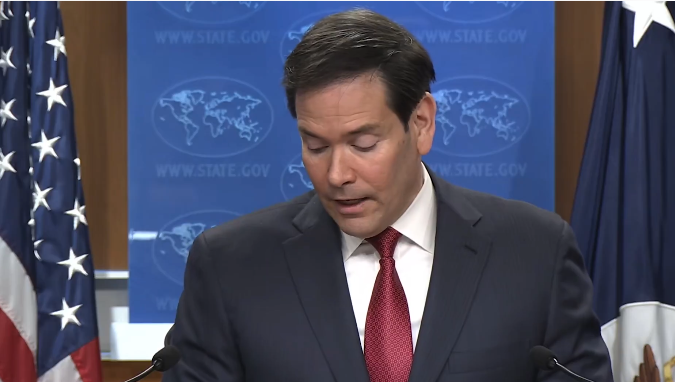
increasing the impact of aid programs, according to Secretary of State Marco
Rubio.
In a statement released on Monday, Rubio said the agreement
reflects the administration’s commitment to ensuring that American taxpayer
dollars are used efficiently while maintaining the United States’ role as the
world’s leading provider of humanitarian assistance.
“The United States remains the most generous nation in the
world for lifesaving humanitarian assistance—but under the president’s
leadership taxpayer dollars will never fund waste, anti-Americanism, or
inefficiency,” Rubio said.
The agreement, signed by the US State Department and the
United Nations, introduces what officials described as a reformed model for how
the United States programs, funds, and oversees humanitarian work administered
by UN agencies.
Rubio said the changes are designed to ensure that “more
lives will be saved for fewer US taxpayer dollars.”
According to the State Department, the new framework will
require the United Nations to implement stricter oversight and accountability
mechanisms, while also addressing long-standing concerns over duplication of
efforts and administrative costs.
Rubio emphasized that the reforms would compel the UN to
streamline its operations.
“This new model will better share the burden of UN
humanitarian work with other developed countries and will require the UN to cut
bloat, remove duplication, and commit to powerful new impact, accountability
and oversight mechanisms,” he said.
US officials have repeatedly raised concerns about
inefficiencies within international humanitarian systems, arguing that a
disproportionate share of funding has historically come from American
taxpayers.
The agreement seeks to encourage greater financial
participation from other developed nations while ensuring clearer reporting on
how funds are spent.
The United States is the largest single donor to UN
humanitarian agencies, contributing billions of dollars annually to support
responses to conflicts, natural disasters, and food insecurity around the
world.
While successive administrations have affirmed support for
humanitarian aid, calls for reform and stronger oversight have intensified in
recent years.
Rubio said the agreement aligns with broader efforts by the
administration to ensure that foreign assistance advances US values and
interests while delivering measurable results on the ground.
He stressed that generosity must be matched with
responsibility and effectiveness.
State Department officials said the reformed approach will
include enhanced monitoring of UN-administered programs, clearer performance
benchmarks, and regular reviews to assess impact and cost efficiency.
The goal, they said, is to maximize the lifesaving potential
of humanitarian aid while reducing administrative overhead.
The United Nations has not yet issued a detailed public
response outlining how the reforms will be implemented, but officials indicated
that the agreement reflects ongoing negotiations with UN leadership over
funding structures and operational reforms.
As global humanitarian needs continue to rise, the agreement
underscores a renewed push by Washington to balance sustained support for
vulnerable populations with demands for greater accountability and shared
responsibility among international partners.