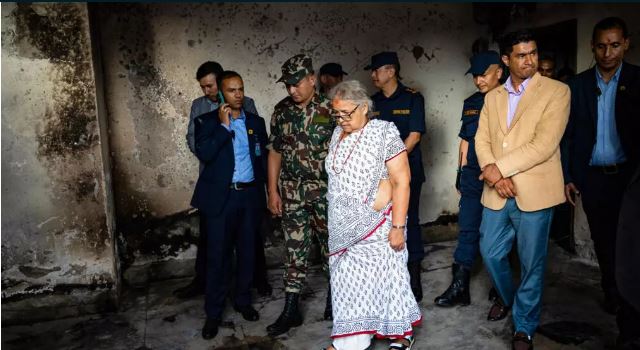
 Nepal's interim leader Sushila Karki (C), inspecting a torched police station./SCREENGRAB
Sushila Karki, Nepal’s newly appointed interim Prime Minister, has vowed to meet protesters’ demands to “end corruption” and restore transparency after a week of violent unrest.
The appointment of Karki, a former Chief Justice known for her uncompromising stance against graft, follows the dramatic resignation of Prime Minister K.P. Sharma Oli amid unprecedented youth-led demonstrations.
The protests, driven largely by Generation Z and amplified through social media, erupted on 8 September after the government imposed a ban on several platforms. What began as an outcry against censorship quickly evolved into a nationwide movement against entrenched corruption, nepotism, and economic stagnation.
Oli stepped down on 12 September, hours before parliament was dissolved by President Ram Chandra Paudel, who subsequently named Karki as interim Prime Minister.
Her elevation makes her the first woman to lead the Himalayan nation, a symbolic milestone in a country where women have long been sidelined in politics.
In her first address, Karki assured demonstrators that their voices had been heard.
“We will follow the protesters’ demands,” she said, promising accountability for those affected during the unrest and concrete measures to restore transparency in government.
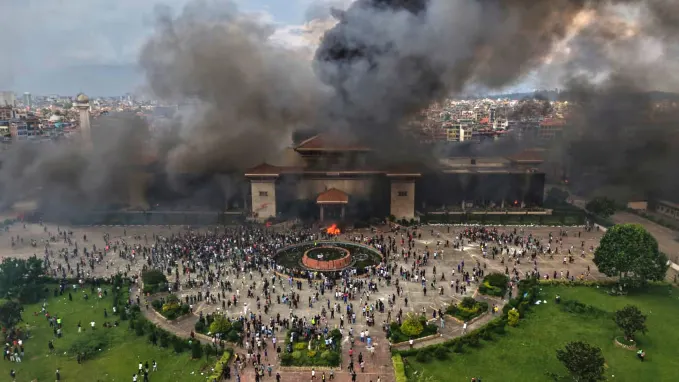
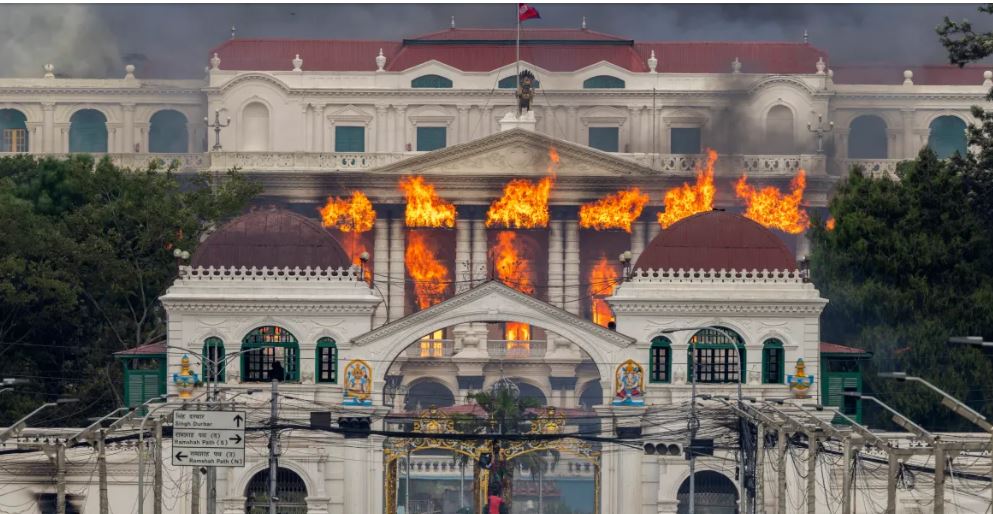
The violent protests left a visible scar on Kathmandu and other cities, with government offices, including the prime minister’s official residence, courts, and police stations, damaged in the clashes.
At least several people were killed and hundreds injured during the week-long confrontations between demonstrators and security forces.
Despite the unrest, the movement has been hailed as a turning point in Nepal’s political history. For many, the rise of Karki is viewed as a direct response to frustrations that have simmered for years over corruption scandals, unemployment, and poor governance.
Authorities have set March 5, 2026, as the date for fresh parliamentary elections, giving the caretaker government less than six months to prepare the country for a new leadership.
The interim administration is also expected to stabilise the economy, address widespread unemployment, and begin rebuilding the public institutions damaged in the violence.
Observers note that Karki’s record as Chief Justice, where she issued landmark rulings against high-profile corruption cases, has bolstered public confidence in her leadership. However, the scale of public expectations is enormous, and sceptics warn that without broader structural reforms, her government risks being seen as a temporary fix rather than a genuine turning point.
For now, calm is slowly returning to Nepal’s streets. Protest leaders have signalled a willingness to pause demonstrations, provided the government makes visible progress on reform.
Across Kathmandu, volunteers are clearing debris from burnt offices, while families of those injured or killed continue to demand justice.
With the clock ticking toward the March elections, all eyes are on Prime Minister Karki to see whether she can convert protesters’ energy into lasting change—and prove that Nepal’s political establishment is capable of reinventing itself under pressure from a restless generation.