Japan Prime Minister Shigeru Ishiba says his country will
shift from aid to investment in Kenya and Africa.
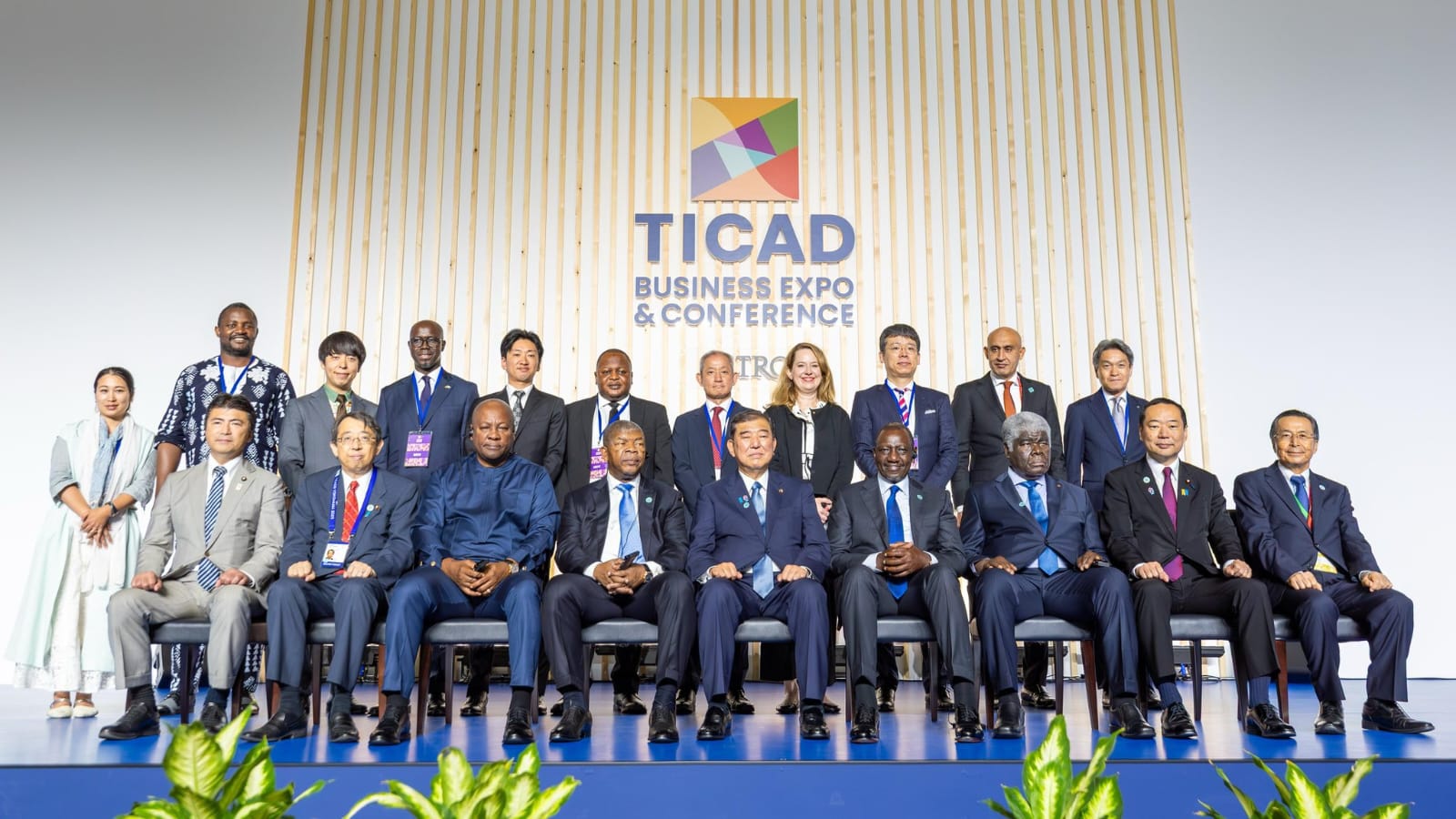
Speaking at the closing ceremony of TICAD 9 on Thursday, the
PM said 300 MOUs were signed between African governments and Japanese
institutions.
“Nothing summarises this changing relationship better than
the phrase ‘from aid to investment,’” Ishiba stated, emphasising a new
direction for collaboration.
The first TICAD conference was held in 1993, aimed at
rekindling global interest in Africa after the Cold War, with a primary focus
on assisting African nations.
However, at this year’s TICAD 9, over 300 cooperation agreements were presented, many centred on economic development.
Ishiba noted:
“So many Japanese companies have pledged their cooperation
for the future of Africa. Japan will accelerate this trend as a reliable
partner.”
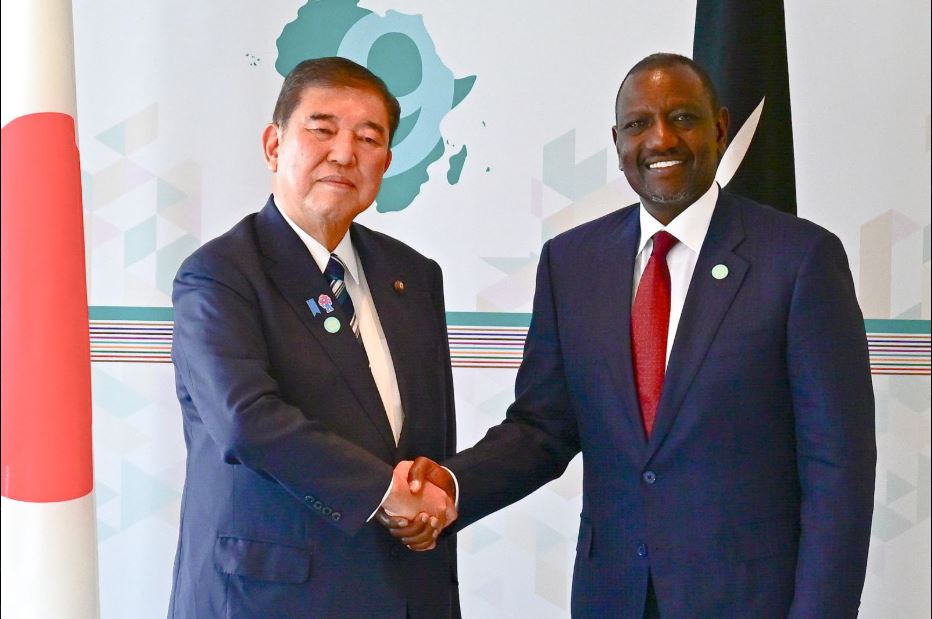
Ishiba said he held bilateral talks with 20 African leaders,
including President William Ruto, in which they agreed to scale up investments
in health, youth, and women, among other areas.
The Prime Minister also acknowledged the youthful energy in
Africa, which is driving innovation across various sectors.
“Young people in Africa are creating new industries, and
young Japanese are identifying needs here, developing services in health care,
agriculture, and finance,” Ishiba explained.
He believes that by combining the strengths of both African
and Japanese youth, they can collaboratively address social challenges and
foster economic growth.
U.N. Secretary-General Antonio Guterres called for increased
investment in climate solutions for Africa.
“Africa has the potential to become a renewables superpower,
with abundant solar and wind resources,” he said. Yet, he pointed out that the
continent receives only a fraction of global renewable investments.
Guterres emphasized the need to mobilize finance and
technology to ensure that Africa’s natural wealth benefits its own people.
“Africa still faces significant challenges, with 600 million
people lacking electricity,” he noted, advocating for a robust renewables and
manufacturing base across the continent.
The discussions at TICAD 9 also led to the “Yokohama Declaration,”
focusing on critical issues such as youth empowerment, women's rights, economic
growth, digitization, trade, and security.
Speaking on behalf of the African Union, President Lorenzo
of Angola remarked on the renewed partnership between the African Union and
Japan, highlighting the significance of working together to combat climate
change and extremism.