 Deputy President Kithure Kindiki during the 11th Annual Farmers Field Day, Gitoro Show Grounds, Meru Town / HANDOUT
Government interventions in Kenya's dairy sector are beginning to transform livelihoods, with farmers in Meru reporting higher incomes, improved access to credit and better prospects following the introduction of subsidised inputs and higher milk prices.
The optimism follows the government's announcement that dairy farmers supplying Meru Central Dairy Cooperative Union will earn Sh52 per litre of milk from August 1, up from Sh50, alongside measures to reduce production costs.
Speaking during the 11th Annual Meru Dairy Farmers Field Day in Gitoro, Imenti North Constituency, Deputy President Kithure Kindiki said the reforms are aimed at making dairy farming more profitable.
Representing President William Ruto, Kindiki announced subsidised animal feed, reduced prices for sexed semen and additional milk cooling facilities to boost production and reduce post-harvest losses.
"This year, dairy farmers have received better incomes as a result of government subsidies on sexed semen, which was retailing at Sh7,000 per dose but is now Sh1,400," he said.
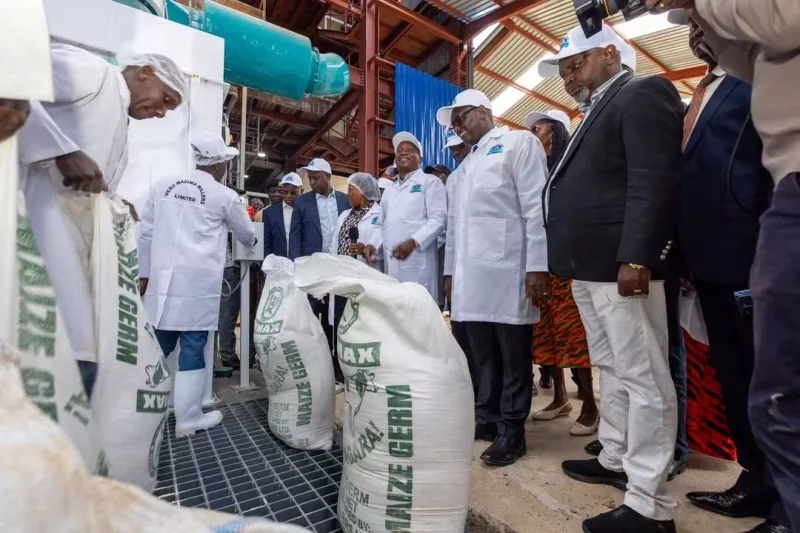
He added that the government has also provided 15 milk coolers and commissioned the Meru Maziwa animal feed mill to lower the cost of dairy feed.
The feed mill is expected to reduce feed costs significantly, easing one of the biggest financial burdens facing dairy farmers.
For many farmers, the incentives are already making a difference. Nelly Gacheri said dairy farming has transformed her family's finances.
"We can now pay school fees and do other things from the money we get from dairy farming," she said.
James Kimathi believes the improved milk prices will encourage farmers to expand production.
"We are hoping that the price of milk goes up. It will force me to add more cows. We are moving forward through that," he said.
Benson Mureithi, who owns four dairy cows and currently milks two, said better returns have enabled him to educate his children and improve his financial standing.
"It has helped me educate my children. I can now access loans and pay school fees with ease. Before that, we could buy animal feeds and at the end of it you get little money as the profit," he said.
Samson Mbabu said reducing feed prices could also attract more young people into agriculture.
"When the price of the animal feeds goes down, it will help the young people gain interest in farming," he said.
Meru Central Dairy Cooperative Union has grown into one of Kenya's largest dairy cooperatives, bringing together more than 160,000 farmers who produce about 670,000 litres of milk daily.
The government says the interventions form part of a broader strategy to increase Kenya's annual milk production from 5.5 billion litres to 10 billion litres, while ensuring farmers receive better returns through lower production costs, improved storage and expanded market access.