Aflasafe product /FILE
Parliament is pushing for the inclusion of Aflasafe in the government’s farm input subsidy programme in a bid to reduce aflatoxin contamination, protect consumers and reduce crop losses among farmers.
National Assembly Agriculture Committee chairperson John Mutunga said he will seek to have Aflasafe incorporated into the subsidy programme, noting that aflatoxin remains a major food safety challenge in Kenya, especially in the eastern region, where past outbreaks have caused hundreds of deaths.
He said wider access to Aflasafe would help increase adoption among farmers and reduce aflatoxin-related health risks and crop losses.
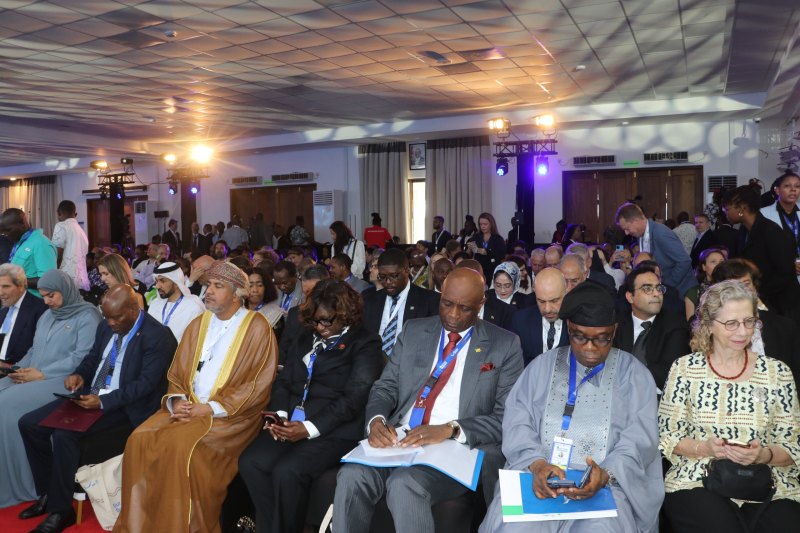
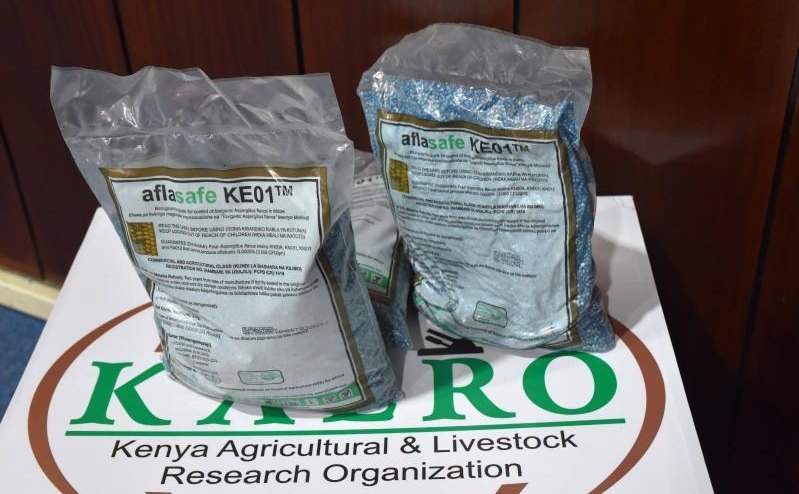
Speaking during the 2nd Kalro Scientific Conference and Innovation Expo, Mutunga said the product, produced by the Kenya Agricultural and Livestock Research Organisation (Kalro), is easy for farmers to apply by broadcasting it onto the crop.
According to him, the technology helps prevent the fungi that cause aflatoxin from contaminating the crop and the final food product.
“Aflatoxin has been classified as a carcinogen that causes cancer,” Mutunga said, urging farmers to adopt Aflasafe.
He said the product should be added to existing fertiliser and seed subsidy programmes so it can be distributed through the National Cereals and Produce Board network and reach maize-growing areas across the country.
A sachet of Aflasafe costs about Sh200, and a farmer needs four sachets per acre, translating to about Sh800 per acre. With government subsidy support, Mutunga said the product could become even cheaper and more accessible.
He noted that Aflasafe is a locally developed product and said increased uptake would not only help contain aflatoxin and related illnesses, including cancer, but also support Kalro’s research and production capacity.
Mutunga said it was significant that Uganda is already sourcing large quantities of Aflasafe from Kalro, even though the product is manufactured in Kenya. He said Kenya should do more to promote local use of the product and build a strong domestic market.
Kalro director general Dr Patrick Ketiem said millions of Kenyans are potentially exposed to aflatoxins daily through maize, a staple food in most households.
He warned that prolonged exposure can lead to chronic health problems, including liver cancer, stunted growth in children, weakened immunity and greater vulnerability to disease.
He added that aflatoxin also causes major economic losses when contaminated grain is rejected by formal markets and sold cheaply in informal markets, while livestock can also die from contaminated feed.
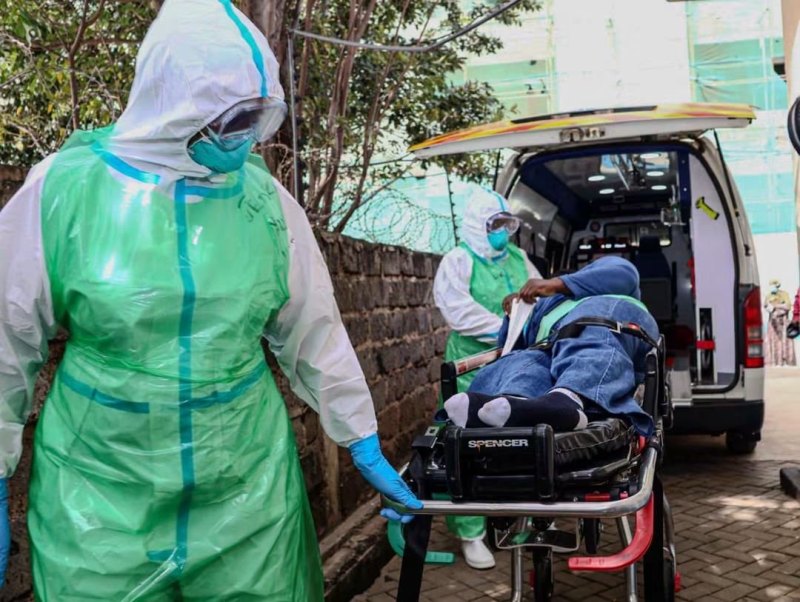
About 125 people died in Eastern Kenya in 2004 and 2005 following aflatoxin contamination in maize.
Ketiem said children, pregnant women and communities that rely heavily on maize are the most vulnerable.
He said once aflatoxin is present in grain, it cannot be completely removed by cooking, milling or processing, making prevention at farm level critical.
The director general described Aflasafe KE01 as an environmentally friendly biological product developed by IITA and Kalro and manufactured by Kalro. He said it is the only preventive intervention at farm level and offers at least 80 per cent and up to 100 per cent protection against aflatoxin contamination.
He called for Aflasafe to be included in the e-voucher system, alongside national and county awareness campaigns targeting farmers, aggregators, millers and consumers.