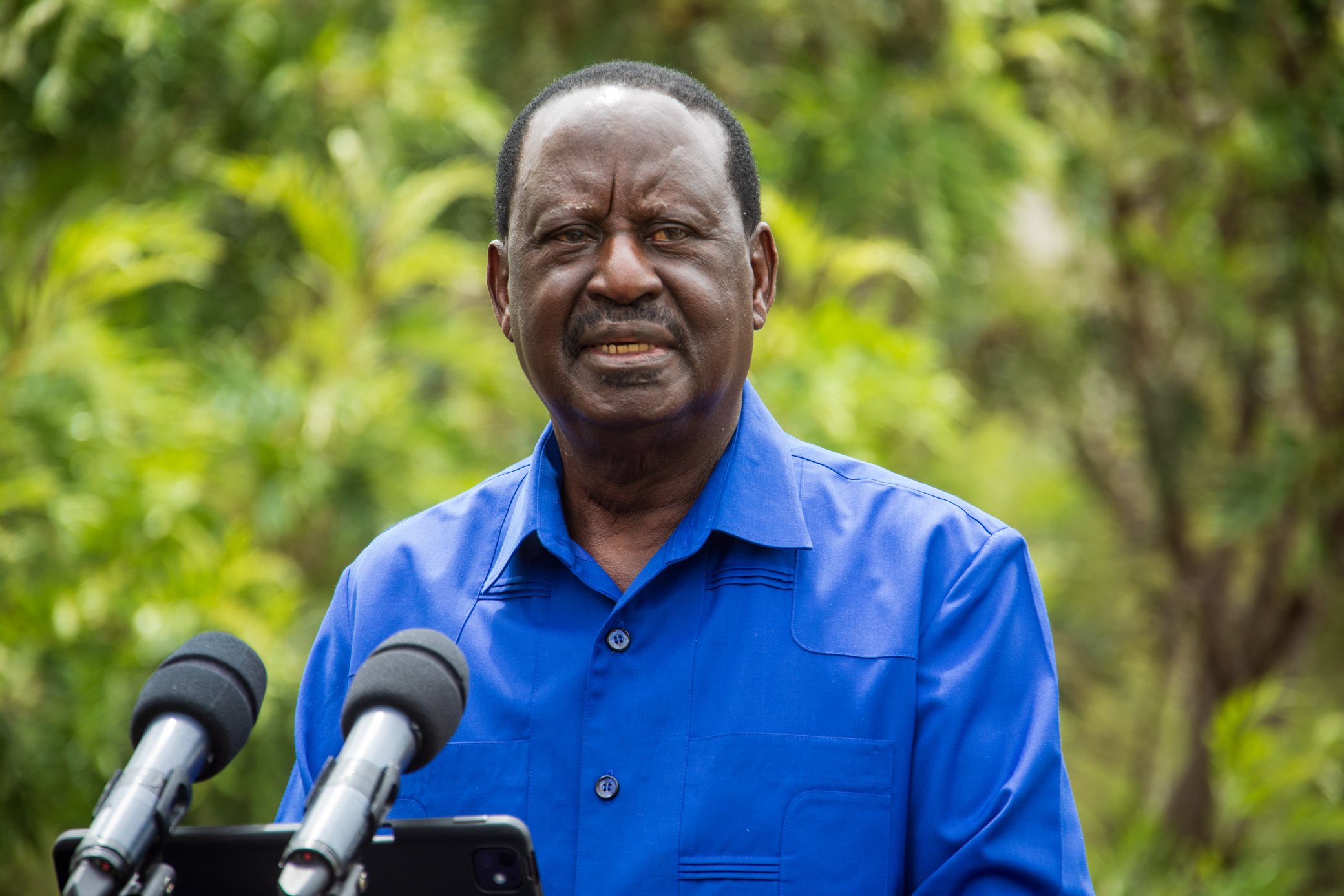
When the former Prime Minister Raila Odinga and 2017 NASA presidential candidate was sworn in as “the People’s President,” following that year's disputed elections, I was following those proceedings live while driving on a highway to pick my daughter from school for home leave.
I could sense the tenseness and uncertainty in the air not knowing exactly what to expect with this new development in Kenyan politics.
The more I listened to what was being said, the less convinced I became that this was the right thing to do and when the person who swore Raila took the mic, everything I heard reeked of violence or a readiness and willingness to go there if necessary.
That was too much for me. I was not only one of Raila’s strongest and longest supporters and defenders, I am also a pragmatic progressive, meaning there are places on my left I could not go and this was one of them.
Much as I believed that Raila was yet again rigged out, I also knew violence or the threat of it was imminent, as this speaker clearly indicated that was the direction the country was headed with Raila’s swearing-in.
I therefore pulled off the highway and texted a message to Raila telling him much as I have been with him on the trenches all these years and much as I respected him as a leader and thought he would have made one of the best presidents the country would have, sadly, this is where we would part company because I did not support the swearing-in, especially the militant rhetoric underpinning the event.
That is where I remained until now, retired President Uhuru Kenyatta and Raila surprised us all with the March 9, 2018 handshake.
Like many others, I was both thrilled and optimistic something good would come out of the handshake and soon thereafter we started seeing exactly what that was: a deliberate effort to declaw the then Deputy President William Ruto and position Raila as Uhuru’s successor.
This was by far the best solution to the disputed 2017 elections that followed the previous one annulled by the Supreme Court for thuggish rigging.
It was certainly the better alternative to Raila being sworn in as the people’s president, though, paradoxically, that swearing played a key role in the handshake happening in the first place.
The reason I and others disassociated ourselves from the swearing of Raila as the people’s president was because of the militant and threats of violence wrapped around it. However, the people’s president phenomenon itself is not a bad idea; in fact, it is a good one.
The connotation behind the phenomenon is that a person holding office as a leader of the country is illegitimate and the true leader of the country is one a vast majority of the country supports but is being denied the opportunity to lead by the powers that be.
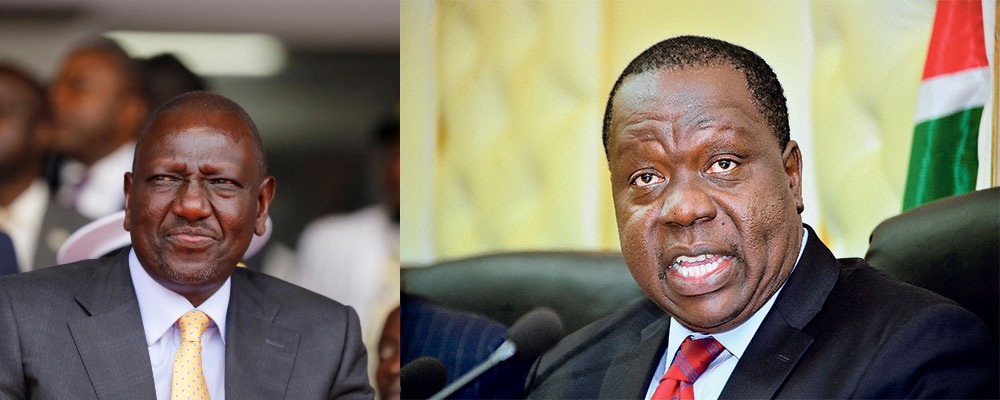
I was among the first Raila supporters who congratulated Ruto on his swearing in as our fifth president so no issue of illegitimacy here. However, there is a longing and increasing longing of someone to emerge as the alternative to Ruto as the true people’s president in a different context.
In this other context, the people’s president is a person who is loved and admired across the country and who is seen as one needed to both politically get rid of Ruto and to do what is necessary to do what Ruto promised but has failed to deliver.
That person, clearly, is Fred Matiang’i.
Here is someone who really never wanted to vie for the presidency but as soon Ruto proved over and again that what he and Kenya Kwanza promised the hoi polloi was a bunch of you-know-what, his name was initially dropped here and there and by now it has become a chorus: Matiang’i is our man to beat Ruto come 2027.
It won’t be an easy victory, but if Matiang’i plays his cards right and has the opposition behind him—well, most of the opposition behind him—then beating Ruto in 2027 won’t be a dream.
It would be a people-driven victory.
The US-based writer is a political commentator

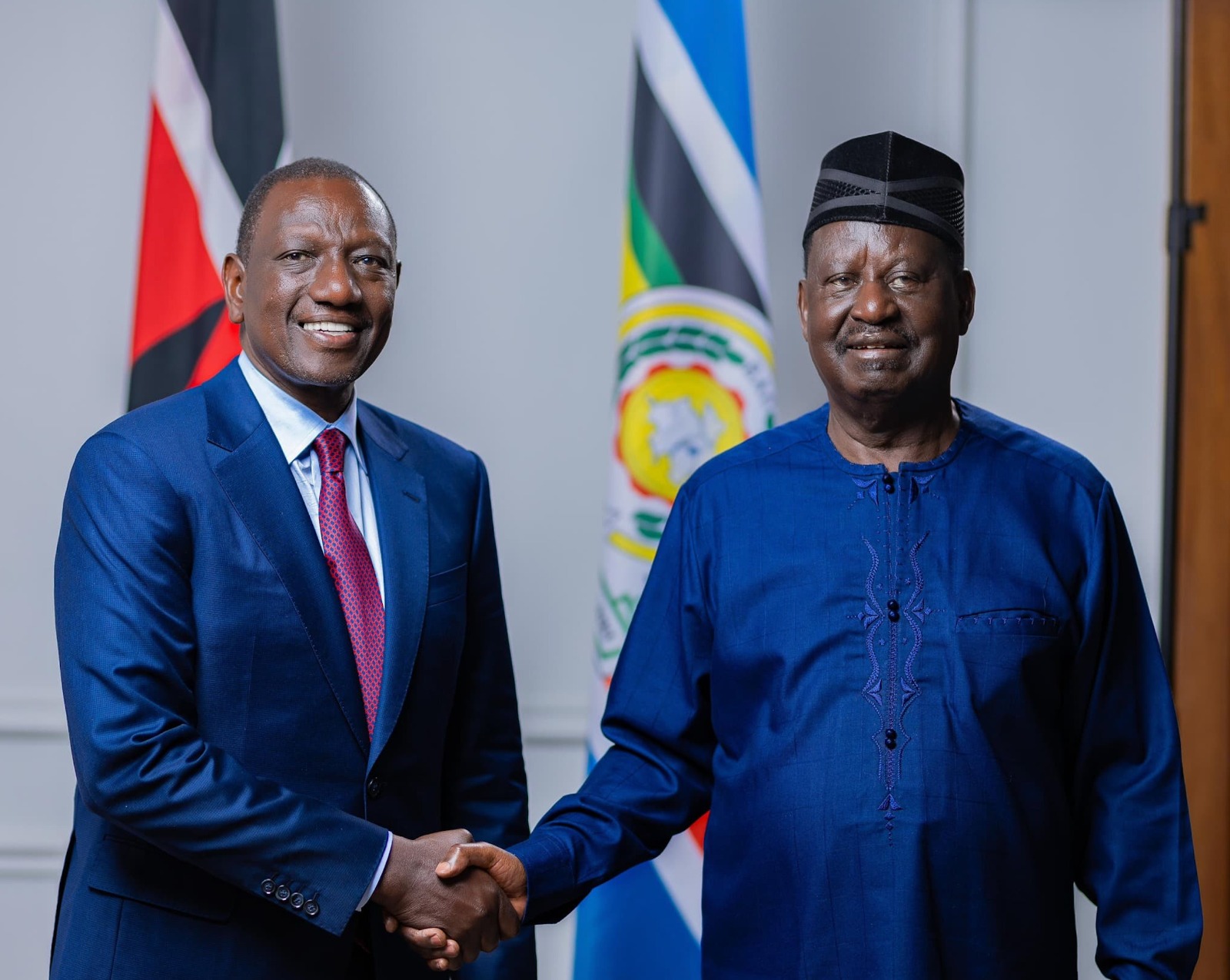
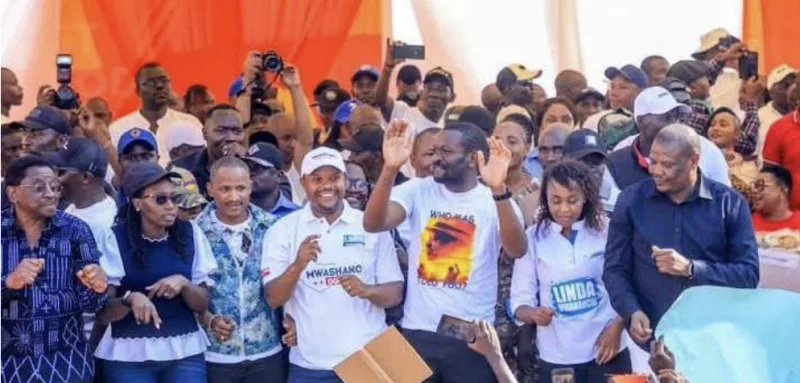
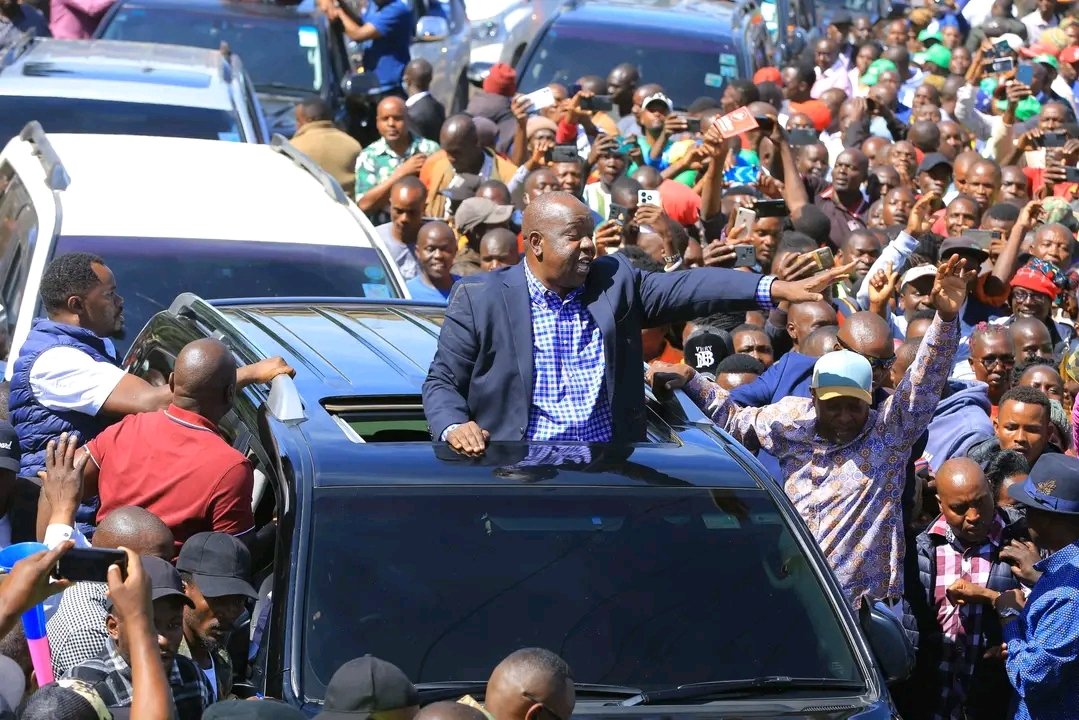 Former Interior CS Fred Matiang'i during his Homecoming tour of Kisii, Nyamira counties on May 2, 2025/HANDOUT