The actual public debt portfolio will be made public by
August, as Kenyan Auditor General Nancy Gathungu’s office races to complete a
comprehensive audit.
The Office of the Auditor General has confirmed it is
auditing all public debt accumulated by the government since Independence.
It is the first independent audit of the country’s public
debt since Independence.
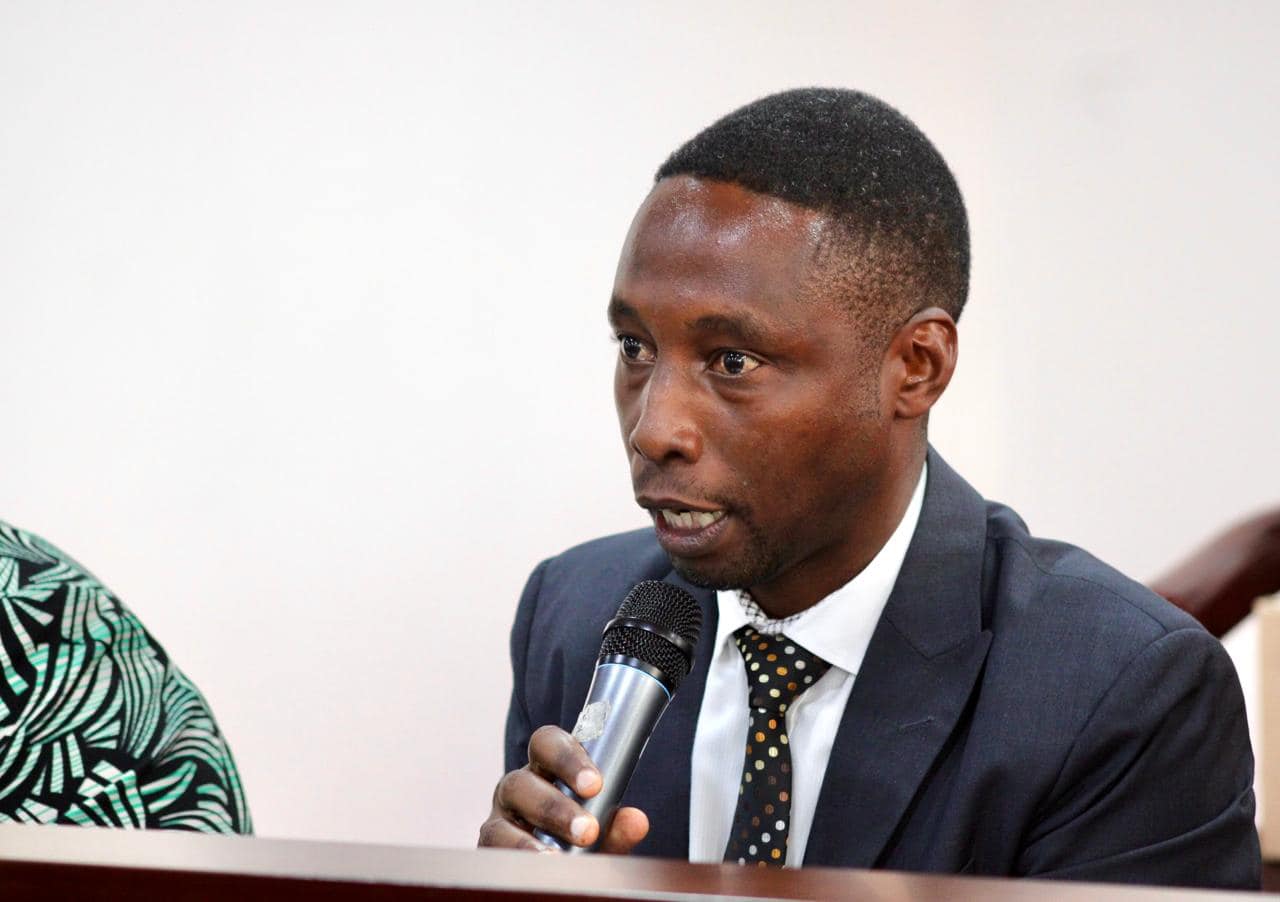
“Our target was to send the report to Parliament by
the end of the financial year,” deputy OAG Isaac Kamau told MPs last
Thursday.
The deadline has been extended by “a month or two”, however,
after auditors encountered difficulties, he said.
“We are facing challenges in tracing some
documents. Remember, we are auditing public debt from Independence, and that
has brought some challenges,” Kamau said.
He said the audit stemmed from a request by Parliament to
the OAG to carry out a special audit of the country's debt portfolio.
Kamau made these disclosures during a meeting with the
National Assembly’s Constitutional Implementation Oversight Committee.
He was responding to concerns raised by Suba South MP Caroli
Omondi, who asked why the OAG has yet to conduct a comprehensive audit of the
country’s public debt and tax waivers issued by government entities.
“We need to see a full list of what we owe as a country,”
Omondi said.
The request was made as the public debt has ballooned and
concerns have mounted over the actual amount the country has borrowed.
Currently, the country’s public debt has surpassed the Sh11
trillion mark.
In March, Treasury Cabinet Secretary John Mbadi disclosed
Kenya's debt hit Sh11.02 trillion in January 2025.
Mbadi said the debt includes Sh5.93 trillion in domestic
debt and Sh5.09 trillion in foreign debt.
"In terms of external debts, we have the multilateral
debts, bilateral debts, and then the commercial debts.
“In terms of multilateral debts, we have $2.83 trillion
(Sh366.48 trillion), which, if you look at it, is about 55 to 56 per cent
of the total external debts that are in multilateral,” Mbadi said.
Economic experts have said Kenya’s public debt is becoming
unsustainable.
Early this month, Kiharu MP and former National Assembly
Budget Committee chairman Ndindi Nyoro warning the country is in a debt crisis
and could soon join Africa's ‘debt defaulters club’.
He spoke at the Institute of Public Finance’s annual
budget review where he expressed alarm.
"Any indication that we are going to default or are
unable to service our loans is more catastrophic to our economy,”
Nyoro said.
CS Mbadi, however, sought to assuage fears of Kenya
defaulting on its debt.
"The problem with debt sustainability is that the
numbers are there, the figures are there. Even the IMF has the figures, the
World Bank has the figures, and we have been rated out there,” Mbadi
said.
“The problem we have is about liquidity. Loans were taken at
a particular point in time, and most of them are maturing between now and 2032.
That is why we have the pressure,” he explained.
Last week, Busia Senator Okiya Omtatah and eight others
filed a petition seeking legal accountability from former President Uhuru
Kenyatta and top officials in his administration over the massive debts accrued
during his two terms.
The petition also questions the legitimacy of loans taken by
President William Ruto’s government, which amount to Sh2.2 trillion.
In his suit, Omtatah seeks to hold former National Treasury
CS Njuguna Ndung’u, Controller of Budget Margaret Nyakang’o, and Auditor
General Nancy Gathungu accountable for the borrowing.
The argue that Sh4.6 trillion taken during the Kenyatta era,
including Eurobond funds, were acquired without proper oversight and amounted
to “odious” debt.
They accuse the former regime of bypassing constitutional
procedures.