Kenyan shilling continued to drop against the British pound
and the euro, as traders shun the US dollar, fearing that it might tank on the
ongoing global trade war sparked by President Donald Trump’s administration.
On Thursday, the local currency traded at 171.79
and 142.20 units against the pound and euro, respectively, having shed close to
a unit each compared to Wednesday’s trading.
According to data from the Central Bank of Kenya, the
shilling has depreciated by 2.34 per cent and 2.4 per cent against those
currencies this month alone, hitting a 13-month low.
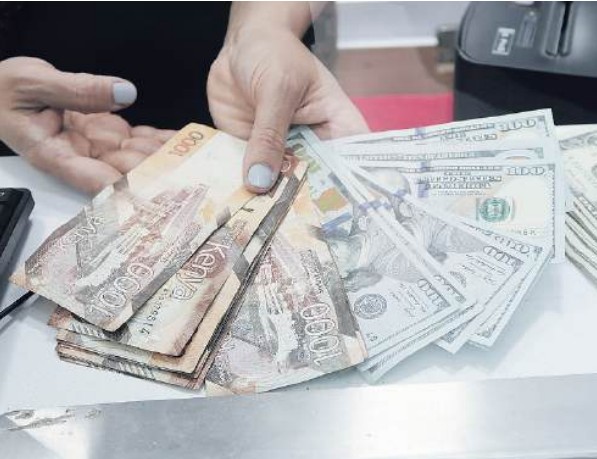
The shilling, however, gained against the US dollar, with
CBK quoting it at 129.46 units, almost 0.45 units lower compared to the
quarterly average of 129.80.
Money market experts expect the trend to persist in the
coming days as the world comes to terms with the US’s aggressive trade policies.
Barry Ogeto, a money market fund manager at a local
financial institution, told the Star that although the US dollar still commands
almost 70 per cent of the global trade, the recent reciprocal trade tariffs
imposed by the US will have a huge negative impact on the greenback.
This is forcing traders to critically look at the future of
the US dollar in the coming days, with other high-value currencies like the
pound and Euro becoming more convenient options.
“All signs are there to be seen. This escalating global war
has the potential to wipe out most of the wealth stored in the US dollar,
fueling uncertainties like high inflation.’’
His counterpart at FX Pesa, Jude Mulee, is worried that
although the situation favours Kenya’s exports in Europe and the UK, it is
likely to hurt more local businesses who have saved their money in the US
dollar.
“The declining value of the greenback will hit Kenya’s
economy hard, considering that both the private sector and the government store
wealth in US dollars. We will be monitoring the performance of the country’s
forex reserves in the coming days,” Mulee told the Star on the phone.
He, however, added that consumers are likely to benefit in
the short term from cheaper exports, a move likely to ease inflation in the
country.
The US Dollar Index, which tracks the performance of the US
Dollar against six major currencies, trades lower, roughly 0.60 per cent at the
start of the US trading session on Friday.